Overview of the Charlotte Mason Educational Philosophy
Charlotte Mason, a renowned 19th-century philosopher, revolutionized the way we approach education. Her philosophy emphasizes the importance of fostering a love for learning in children through a life-based approach. Mason believed that education should not be confined to textbooks but should instead mirror the natural curiosity and wonder of life. She advocated for the use of living books—books that are read with care and purpose, sparking imagination and critical thinking. Mason’s method is rooted in the belief that children learn best when they are engaged in meaningful, age-appropriate activities that reflect the complexity of the world around them.
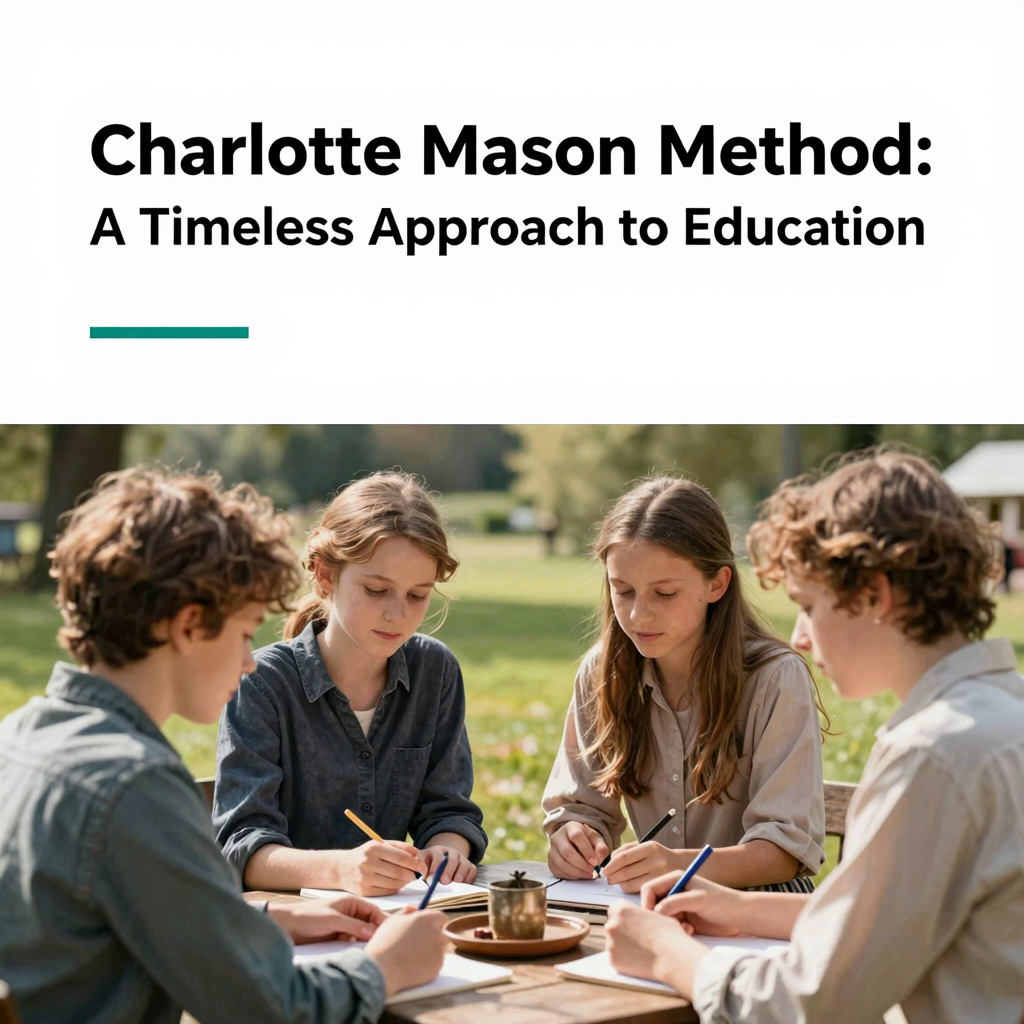
One of the key aspects of the Charlotte Mason method is the emphasis on a clutter-free classroom. Mason believed that a well-organized space allows children to focus on their learning without distractions. Her classrooms were typically simple, with a single desk for each child. This setup encouraged independence and personal responsibility, as children learned to manage their own learning tools. Mason also believed in the importance of daily routines, such as morning meetings, dictation, and reading, which helped children develop discipline and a structured approach to learning.
Practical Application of Charlotte Mason’s Methods
Charlotte Mason’s methods can be effectively implemented in both home schooling and traditional classroom settings. In a home schooling environment, the Charlotte Mason method often involves the use of living books, which are books that are read with attention and purpose. These books are chosen for their beauty, relevance, and ability to inspire curiosity. For example, a child might read a book about nature, history, or science, followed by discussions that encourage critical thinking and reflection.
Another cornerstone of the Charlotte Mason method is the use of narration. Mason believed that children learn best when they are actively involved in the process of sharing what they have learned. This could be done through dictation, where children copy what they hear, or through storytelling, where they share what they have read. narration not only reinforces memory but also helps children develop their communication skills. Mason also emphasized the importance of writing, encouraging children to keep journals to record their thoughts and observations.
Charlotte Mason’s Influence on Modern Education
Charlotte Mason’s ideas have had a lasting impact on modern educational thought. Her emphasis on the importance of a life-based education has influenced a wide range of teaching methodologies, including Montessori education and wholemovement. Mason’s belief in the use of living books and the importance of preparing children for life continues to be relevant in today’s educational landscape. Many modern educators recognize the value of creating a classroom environment that encourages exploration, creativity, and critical thinking, rather than rote memorization.
Charlotte Mason’s methods also highlight the importance of a child’s natural curiosity and independence. By providing children with the tools and opportunities to explore the world around them, Mason believed they could develop a lifelong love of learning. This approach not only prepares children for academic success but also equips them with the skills they need to navigate the complexities of life. As a result, the Charlotte Mason method remains a cornerstone of many educational practices, offering valuable insights for parents, educators, and students alike.
Conclusion
Charlotte Mason’s educational philosophy offers a timeless approach to teaching and learning. By embracing her methods, parents and educators can create a classroom or home environment that fosters creativity, critical thinking, and a deep appreciation for the world around us. Mason’s emphasis on living books, narration, and a clutter-free space provides a clear framework for effective teaching. Ultimately, the Charlotte Mason method reminds us that education is not just about imparting knowledge but about inspiring a lifelong love of learning and self-discovery.
As we continue to navigate the ever-changing landscape of education, it is important to remember the wisdom of Charlotte Mason. Her approach offers a valuable blueprint for teaching children to be curious, independent, and well-rounded individuals. By adopting her methods, we can help prepare the next generation to thrive in a world that is constantly evolving.