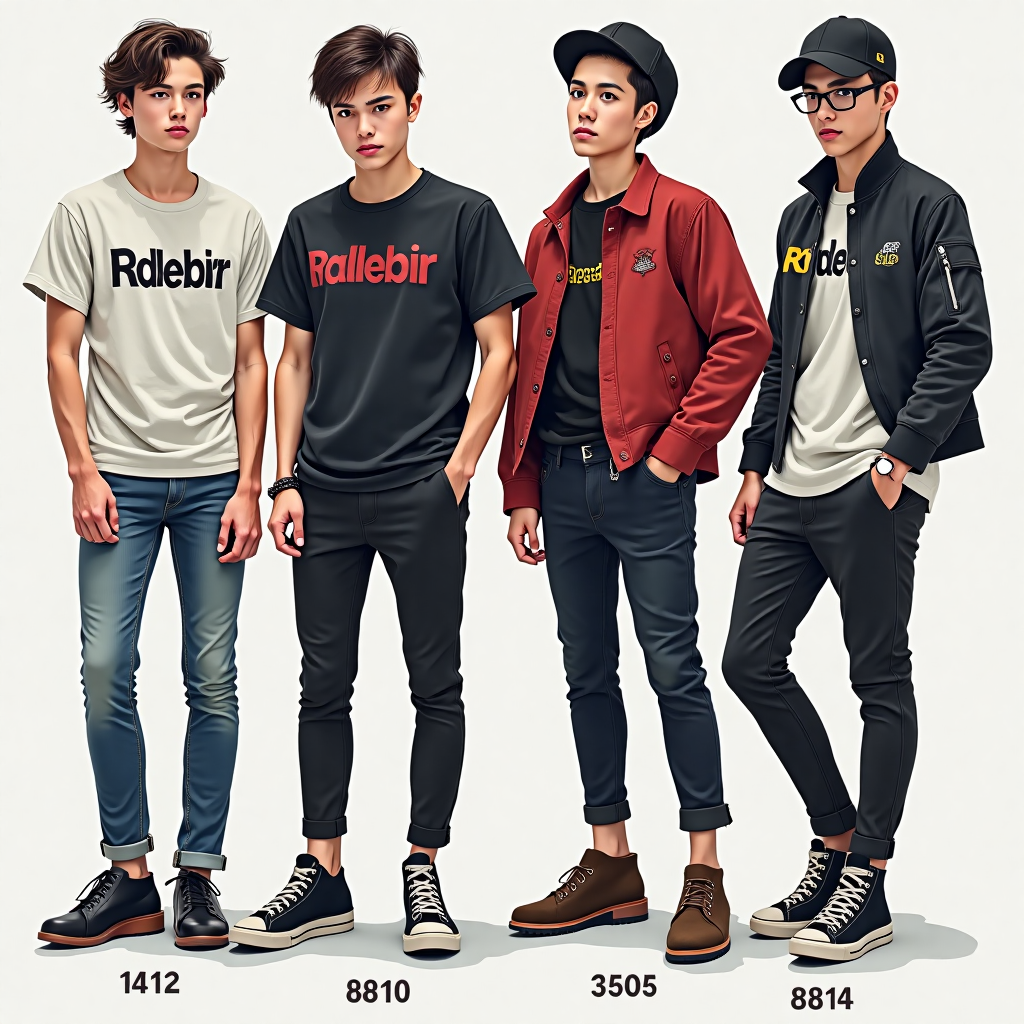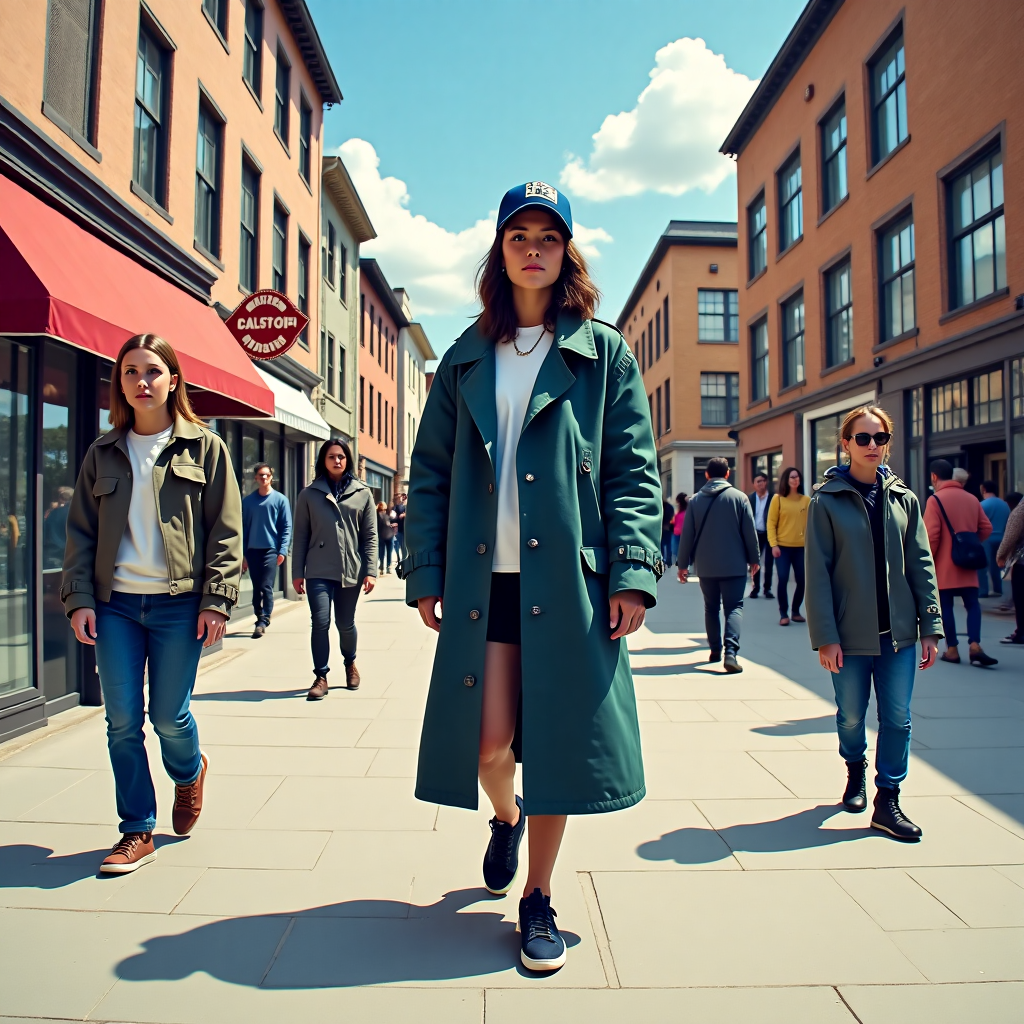
Streetwear. The term itself evokes images of graphic tees, hoodies, sneakers, and a distinct sense of cool rooted in urban environments. Yet, walk into any high-end department store or browse the collections of the world’s most prestigious fashion houses today, and you’ll find elements of streetwear woven into the very fabric of luxury. Hoodies adorned with logos command prices rivaling tailored suits, and collaborations between sportswear giants and heritage luxury labels are met with frenzied anticipation. This seamless integration represents a seismic shift in the fashion landscape, a journey that saw streetwear evolve from a niche subcultural expression to a dominant force in global luxury fashion. Understanding this evolution requires tracing its rebellious roots, key inflection points, and the complex interplay of culture, commerce, and consumer desire that propelled it onto the world stage.
Rooted in Rebellion: The Subcultural Genesis
To grasp streetwear’s meteoric rise, we must begin at its inception – not in the hallowed halls of Parisian ateliers, but on the vibrant, gritty streets of major cities. Its DNA is a complex amalgamation of several distinct, yet interconnected, subcultures primarily emerging in the 1970s and 80s.
Skate and Surf Culture: Function Meets Attitude
On the sun-baked concrete of California skate parks and beaches, functionality was paramount. Brands like Vans and Vision Street Wear emerged, catering to the specific needs of skaters and surfers. Durable canvas shoes provided grip, while loose-fitting tees and shorts allowed for freedom of movement. This wasn’t just about clothes; it was about an attitude – a laid-back, rebellious spirit that valued individuality and authenticity over mainstream trends. Logos served as badges of belonging within these tight-knit communities.
Hip-Hop’s Emergence: Bold Statements and B-Boy Style
Simultaneously, in the Bronx and other urban centers, hip-hop culture was exploding. Early pioneers like Run-D.M.C. championed brands like Adidas (famously sporting the iconic shell-toe Superstars without laces), transforming athletic wear into powerful symbols of identity and defiance. Oversized silhouettes, bold logos (think FUBU, Karl Kani), tracksuits, bucket hats, and gold chains became the uniform. This style was inherently tied to the music’s energy, its narratives of struggle and aspiration, and the desire to make a visible statement.
DIY Ethos and Limited Appeal
Unlike traditional fashion dictated by top-down trends, early streetwear thrived on a DIY ethos. Independent brands often started small, screen-printing designs in garages, selling directly to their communities through local skate shops or independent boutiques. Think of Stüssy, founded by Shawn Stussy, whose hand-drawn logo initially adorned surfboards before becoming a global phenomenon sold through a network of like-minded retailers. Exclusivity was inherent – limited runs, specific store drops, and a reliance on word-of-mouth within the subculture. This wasn’t fashion for the masses; it was a coded language understood by those “in the know.”
The Rise of the Titans: Pioneering Brands and the Shift
As these subcultures gained visibility, certain brands began to transcend their niche origins, laying the groundwork for streetwear’s broader cultural penetration.
Stüssy: The Blueprint
Shawn Stussy’s brand is often cited as the archetype of modern streetwear. By blending surf graphics with elements of punk, hip-hop, and skate culture, Stüssy created a unique aesthetic. Crucially, Stüssy cultivated the “International Stüssy Tribe” (I.S.T.), seeding the brand globally through influential friends and collaborators. This network of tastemakers and retailers established a decentralized model of distribution and hype that future brands would emulate.
Supreme: Hype as a Business Model
Founded by James Jebbia in 1994, Supreme took the streetwear model and perfected the art of hype. Located initially in a small NYC store, Supreme adopted a strict “drop” model, releasing highly limited quantities of new products weekly. Its iconic box logo, collaborations with diverse entities (from artists like Barbara Kruger to brands like Louis Vuitton), and unwavering commitment to its downtown NYC roots created an aura of exclusivity and desirability unparalleled at the time. Supreme demonstrated that scarcity, cultural relevance, and brand integrity could drive immense demand, essentially creating a luxury model within the streetwear space long before luxury houses fully embraced it.
The Sportswear Giants: Mainstreaming the Aesthetic
Brands like Nike, Adidas, and Jordan Brand played a pivotal role. While rooted in performance, their cultural cachet, driven by athlete endorsements (Michael Jordan being the prime example) and innovative designs, made them central to streetwear aesthetics. The Air Jordan sneaker, in particular, became a cultural phenomenon, coveted not just for basketball but as a fashion statement and status symbol. Collaborations with designers and artists further cemented their place at the intersection of sport, fashion, and culture.
The Great Convergence: Luxury Embraces the Street
The late 1990s and early 2000s saw tentative forays, but the true tipping point arrived in the 2010s. Several factors catalyzed this seismic shift.
Democratization of Fashion and the Rise of Social Media
The internet, particularly social media platforms like Instagram, radically altered how fashion trends were disseminated and consumed. Streetwear’s visual nature – bold logos, distinct silhouettes, unique sneakers – was perfectly suited for this new landscape. Influencers and celebrities, no longer reliant solely on traditional fashion media, could showcase their personal style directly to millions. Suddenly, the “hype” surrounding a limited Supreme drop or a new Yeezy model could be broadcast globally in real-time, creating instant demand and mainstream awareness. Fashion became more democratic, and streetwear’s inherent coolness resonated with a younger generation.
The Visionary Designers: Breaking Down the Walls
Key designers acted as catalysts, recognizing the energy and relevance of streetwear and daring to incorporate it into luxury contexts.
- Marc Jacobs for Louis Vuitton (2000): Though controversial at the time, Jacobs’ graffiti-inspired collection featuring Stephen Sprouse’s work was a prescient moment, hinting at luxury’s potential flirtation with street aesthetics.
- Hedi Slimane at Dior Homme (2000s): Slimane’s razor-thin silhouettes, while distinct, tapped into a youth-oriented, rock-and-roll sensibility that shared streetwear’s rejection of traditional bourgeois style.
- Riccardo Tisci at Givenchy (2008-2017): Tisci’s tenure was arguably transformative. He aggressively incorporated hoodies, graphic tees (notably the Rottweiler print), sweatshirts, and sneakers into Givenchy’s collections, worn by celebrities like Kanye West and Kim Kardashian. This blurred the lines definitively, making luxury streetwear not just acceptable, but desirable.
- Virgil Abloh at Off-White and Louis Vuitton (2018): Abloh’s appointment as Men’s Artistic Director at Louis Vuitton was the ultimate validation. His background in streetwear (Pyrex Vision, Off-White), architecture, and DJing, coupled with his “3% approach” to design (modifying existing items just enough), perfectly encapsulated the era. Off-White’s industrial belt and quotation mark graphics became ubiquitous, and his LV collections fused monogram luxury with streetwear staples.
- Demna Gvasalia at Vetements and Balenciaga: Gvasalia took deconstruction, irony, and exaggerated silhouettes to new heights. Vetements’ DHL tee became an iconic commentary on fashion itself, while his work at Balenciaga redefined luxury with oversized hoodies, puffer jackets, and “dad sneakers,” pushing the boundaries of taste and desirability.
The Collaboration Explosion
Collaborations became the primary engine driving the luxury-streetwear fusion. These weren’t mere licensing deals; they were often creative partnerships that generated massive buzz.
- Supreme x Louis Vuitton (2017): This landmark collaboration shattered perceptions. LV monogram adorned Supreme’s box logo tees and skate decks, sold in pop-up stores with lines snaking around city blocks. It proved that luxury consumers coveted streetwear’s edge, and streetwear consumers aspired to luxury’s prestige.
- Nike x Off-White (The Ten): Abloh’s deconstructed take on iconic Nike sneakers became instant grails, merging sportswear heritage with high-fashion conceptualism.
- Gucci x The North Face, Dior x Stüssy, Tiffany & Co. x Supreme: The list is ever-growing, spanning apparel, footwear, accessories, and even homeware. These collos generate media frenzy, sell out instantly, and reinforce the interconnectedness of these once-separate worlds.
The Democratization Paradox and Streetwear’s New Identity
Streetwear’s journey to the luxury mainstream is not without its complexities and contradictions.
Accessibility vs. Exclusivity
Ironically, while streetwear aesthetics have become ubiquitous, the *acquisition* of the most hyped items (limited collos, rare sneakers) often requires significant financial investment or dedication to navigating complex drop systems, replicating the exclusivity traditionally associated with luxury. The resale market (StockX, GOAT) thrives on this scarcity, sometimes inflating prices to astronomical levels. Has streetwear, in its luxury form, become as exclusive as the high fashion it once rebelled against?
Authenticity in the Mainstream
As streetwear codes (logos, hoodies, sneakers) are adopted by mass-market retailers and luxury giants alike, questions of authenticity arise. Can a $1000 logo-emblazoned hoodie from a heritage luxury house claim the same subcultural authenticity as the original graphic tee sold in a skate shop? The definition of “streetwear” itself becomes blurred. Is it an aesthetic, a price point, a distribution model, or an attitude?
Beyond Hype: Sustainability and Conscious Consumption
The relentless pace of drops and the disposability sometimes associated with trend-driven fashion clash with growing consumer awareness about sustainability. Both established streetwear brands and luxury houses incorporating street elements face pressure to address environmental and ethical concerns within their supply chains and production practices. The future may see a shift towards more considered consumption, even within the hype-driven model.
The Current Landscape and Future Trajectory
Today, streetwear’s influence is undeniable and pervasive. It’s no longer confined to a specific section of the store or a distinct category.
Luxury Streetwear as the New Normal
Hoodies, sneakers, and graphic elements are now standard offerings from nearly every major luxury brand. The aesthetic has been fully assimilated. The distinction often lies in materials, craftsmanship, and price rather than fundamental style differences. Brands like Fear of God, founded by Jerry Lorenzo, exemplify this, offering elevated basics with a luxury price tag and meticulous attention to detail.
Vintage and Archive: The New Frontier
As the history of streetwear gains recognition, vintage pieces and “archive” items (rare, sought-after pieces from past collections, particularly from brands like Supreme, BAPE, or early Raf Simons) have become highly coveted, fetching premium prices. This mirrors the vintage luxury market and highlights the growing cultural value placed on streetwear’s heritage.
Global Expansion and Local Interpretations
Streetwear is a global phenomenon, with vibrant scenes developing worldwide. Brands from Seoul, Tokyo, Lagos, and beyond are contributing unique perspectives, blending global streetwear influences with local cultural references and aesthetics. This decentralization ensures the culture continues to evolve.
Conclusion: A Cultural Reset, Not Just a Trend
The evolution of streetwear from subculture to luxury is far more than a passing fashion trend; it represents a fundamental cultural reset. It signifies the erosion of rigid fashion hierarchies, the power shift towards youth culture and digital communities, and the redefinition of what constitutes luxury and desirability in the 21st century. Streetwear brought authenticity, energy, and a direct connection to contemporary culture into the sometimes-rarefied world of high fashion. Conversely, luxury provided prestige, craftsmanship, and global reach to streetwear’s rebellious spirit.
This journey, however, is ongoing. The tension between accessibility and exclusivity, the quest for authenticity in a commercialized landscape, and the need for sustainable practices present ongoing challenges. Yet, the fusion remains potent. Streetwear’s core values – self-expression, community, and a connection to real-world culture – continue to resonate, even when manifested in a $2000 jacket. Its evolution is a testament to the dynamic, ever-changing nature of fashion itself, proving that style born on the sidewalk can indeed conquer the catwalk, reshaping the industry in its wake. The lines are blurred, the hierarchies are flattened, and the future of fashion looks decidedly more casual, logo-driven, and deeply intertwined with the streets it once solely represented.