Mastering the High-Low Game: How to Build Affordable Streetwear Outfits That Look Expensive
In the world of fashion, streetwear has evolved from a subculture into a dominant global force. But with luxury collaborations and hype-beast drops routinely commanding astronomical prices, building a stylish wardrobe can feel like a privilege reserved for the wealthy. Here’s the secret the fashion elite don’t want you to know: looking expensive has very little to do with the price tag on your clothes and everything to do with perceived value. With a decade of observing trends and dissecting style, I can confidently say that crafting affordable streetwear outfits that radiate luxury is an art anyone can master. It’s about strategic shopping, an understanding of fit and fabric, and a dash of sartorial confidence. This guide will walk you through the principles and practical steps to build a capsule wardrobe of elevated, high-impact streetwear without breaking the bank.
The Core Principles of Expensive-Looking Streetwear
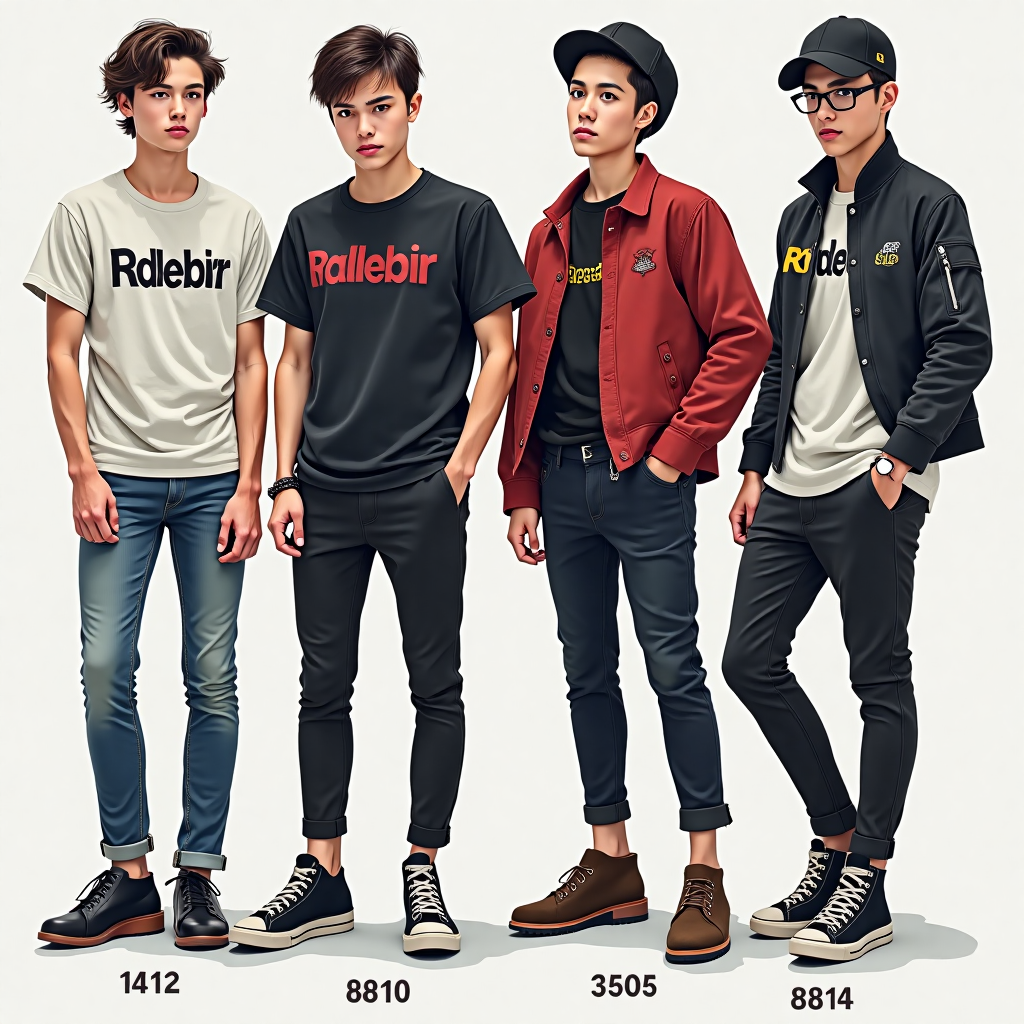
Before we dive into specific pieces, it’s crucial to understand the philosophy. Luxury brands, at their core, focus on a few key elements that signal quality. Your mission is to emulate these signals with your affordable finds. First is silhouette and fit. An expensive-looking piece drapes perfectly on your body—it’s not too tight, not too baggy, but intentional. This often means being willing to spend a few extra dollars on tailoring for key items like trousers or blazers. Second is fabric and texture. Look for natural fibers like heavy-weight cotton, brushed fleece, wool blends, and leather (even vegan). Avoid thin, shiny, or plastic-feeling synthetics that immediately read as cheap. Lastly, master minimalism and cohesion. The most “expensive” streetwear looks are often monochromatic or built on a tight color palette of neutrals—black, white, grey, cream, olive, navy. Loud, clashing logos and overly distressed items can undermine the sophisticated vibe you’re after.
The Psychology of “Looking Expensive”
It’s all about visual cues. A crisp, clean white t-shirt in a substantial fabric suggests care and quality. A perfectly tailored pair of trousers implies custom work. A single, well-chosen statement accessory (like a vintage watch or a minimalist chain) draws the eye and suggests curation over consumption. By focusing on these subtle signals, you train the observer’s eye to see luxury, regardless of the brand name on the label.
Building Your Capsule: Essential Pieces to Invest In (Wisely)
Think of your wardrobe as a pyramid. The base is made of high-quality, versatile basics that you’ll wear repeatedly. These are the items where fabric quality is non-negotiable. The middle tier consists of statement layers and key bottoms. The pinnacle is your signature accessories and outerwear. Let’s break down where to allocate your budget for maximum impact.
The Foundational Layer: Non-Negotiable Basics
Start here. A weak foundation ruins the whole structure.
- The Perfect White & Black Tee: Seek out mid-weight to heavy-weight cotton (around 180-220 GSM). Look for a clean, flat-stitched hem, a ribbed crewneck that holds its shape, and no side seams (a “tube” construction) for a cleaner look. Brands like Uniqlo U, COS, and even selected multi-packs from Hanes (Premium) can be goldmines.
- Quality Knitwear: A fine-gauge merino wool or cashmere-blend sweater in a neutral color instantly elevates any outfit. Look for a tight knit with no pilling. This is a piece worth saving for during sales at retailers like & Other Stories, Arket, or even thrifting.
- The Staple Hoodie: Avoid flimsy fleece. Opt for a brushed-back, French terry cotton hoodie with sturdy ribbing, a structured hood, and a clean design. Colors like heather grey, olive, or black are endlessly versatile.
The Structural Layer: Pants, Outerwear, and Footwear
This is where silhouette becomes king.
- Trousers & Denim: Invest in a pair of wide-leg or straight-leg trousers in a wool blend or heavy cotton twill. For denim, seek out a rigid, dark wash with minimal detailing. A good fit through the seat and thighs is critical—tailoring is your friend. Stores like Zara, Mango, and ASOS often have great tailored options.
- Statement Outerwear: A single, phenomenal coat or jacket anchors your look. Look for a classic wool overcoat, a clean leather or waxed-cotton trucker jacket, or a structured blazer. Thrift stores, consignment shops, and end-of-season sales are ideal for scoring these high-ticket items at a fraction of the cost.
- Footwear: Keep them clean and classic. A pristine pair of minimalist white sneakers (think leather Adidas Stan Smiths or similar), a sleek black boot (Chelsea or combat style), and maybe a luxury-inspired slide or loafer can cover 90% of streetwear looks. Quality leather uppers and well-kept soles are key.
The Art of Styling: Combining Pieces for Maximum Impact
Now for the fun part: putting it all together. The magic of “expensive-looking” streetwear is in the styling details.
1. The Monochromatic Magic Trick
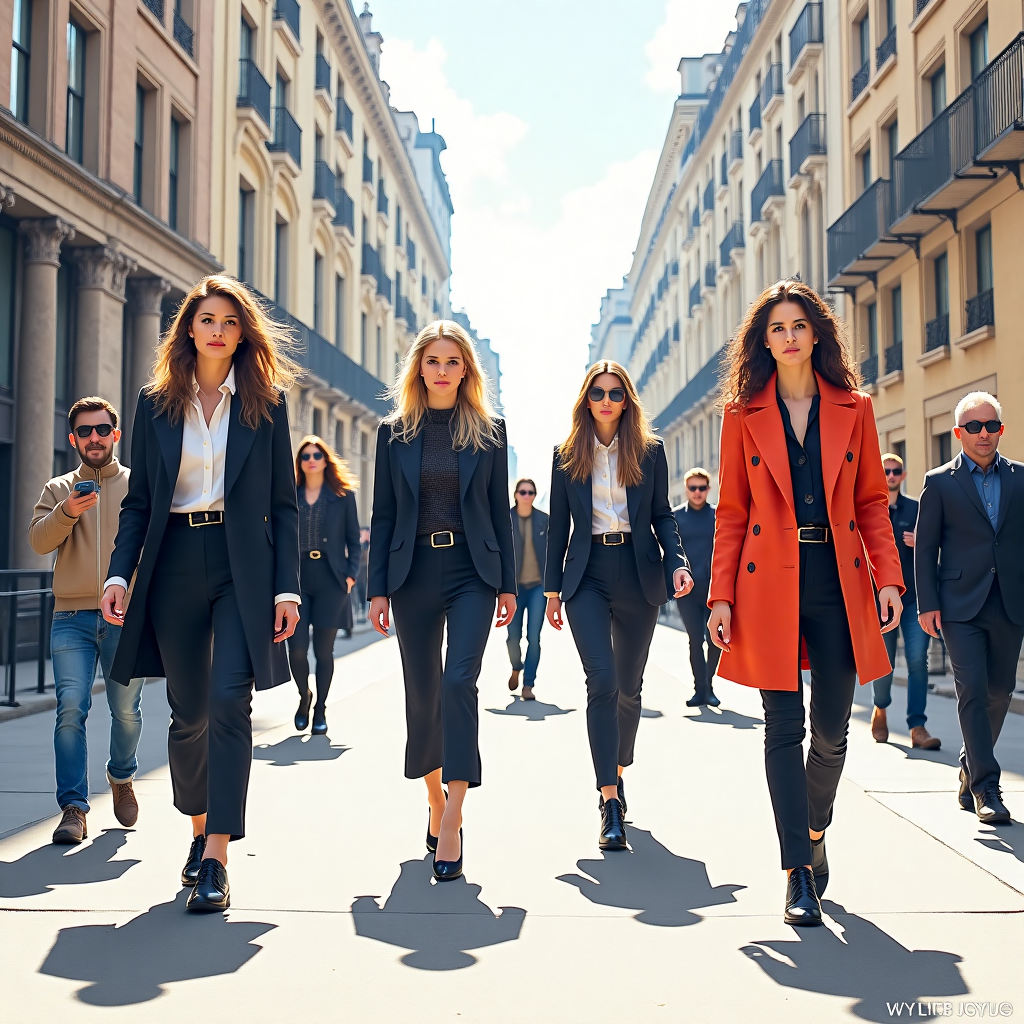
Dressing head-to-toe in one color (or shades of one color) is the single fastest way to look curated and expensive. An all-black outfit of a perfect tee, tailored black trousers, and black boots creates an uninterrupted, elongating line that is inherently sophisticated. Try it with navy, cream, or grey. Mix textures within the same color family (e.g., a cotton tee with wool trousers and a leather jacket) to add depth and visual interest.
2. Strategic Layering
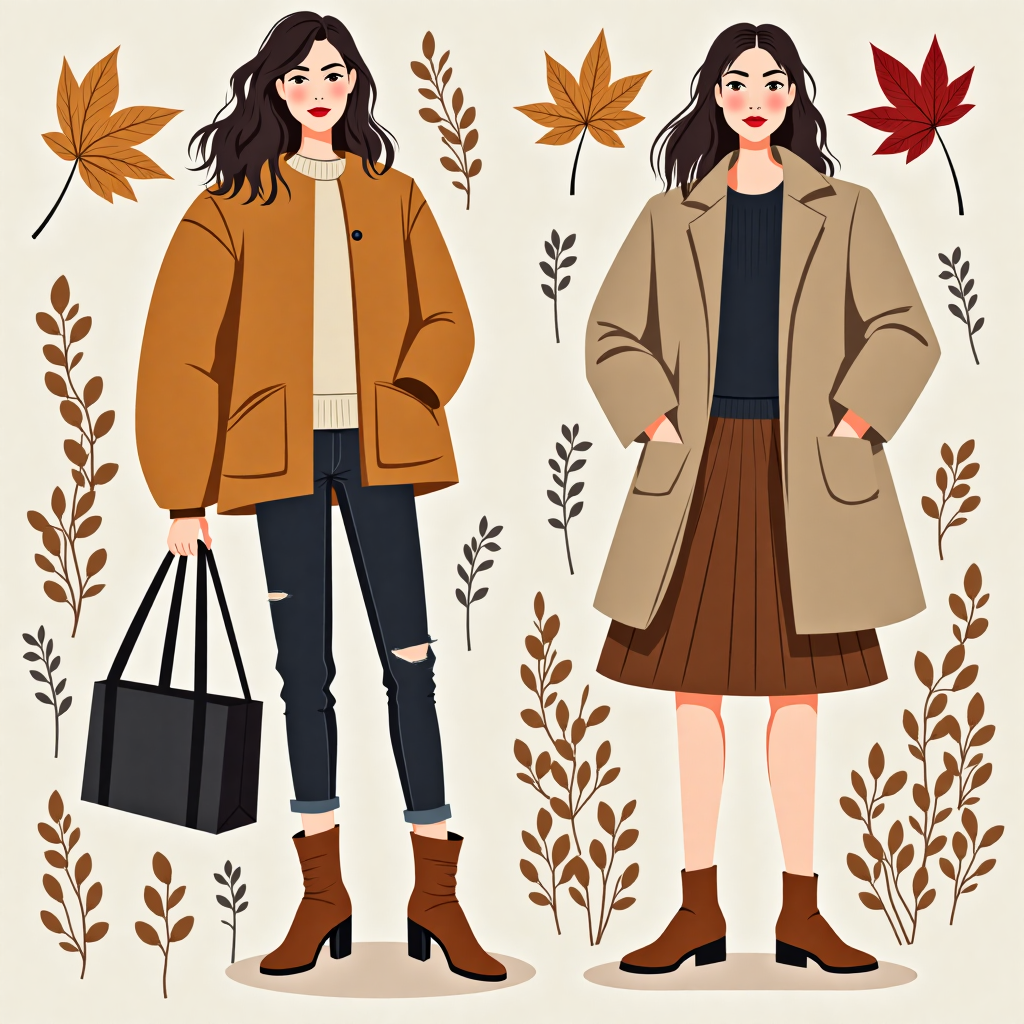
Layering adds dimension and implies a thoughtful approach. Don’t just throw on a hoodie under a coat. Try a long-sleeve thermal under a short-sleeve tee, or a collarless jacket (a “shacket”) over a fine-knit sweater. Let sleeve and hem lengths peek out intentionally. The goal is to look put-together, not like you’re braving a blizzard.
3. Accessorize with Intent
Accessories are the exclamation point. Choose one or two key pieces.
- Jewelry: A simple, thick silver or gold chain, a set of small hoop or stud earrings, and a minimalist watch (even a clean Casio can look iconic) speak volumes.
- Bags: A structured tote, a sleek crossbody, or a minimalist backpack in a neutral color (black, tan, olive) should look and feel substantial. Avoid floppy nylon and obvious plastic hardware.
- Belts & Hats: A good leather belt with a simple buckle and a clean, well-fitted baseball cap or beanie in a quality material can finish a look perfectly.
4. Grooming and Garment Care
This cannot be overstated. The most expensive outfit is ruined by scuffed shoes, wrinkles, and pilling fabric. Invest in a good steamer or iron, a quality lint roller, and a fabric shaver. Keep your shoes clean. This daily maintenance ritual is what truly separates a sharp look from a sloppy one.
Where to Shop: A Strategic Guide
Knowing what to buy is half the battle; knowing where to find it is the other.
- Contemporary High-Street Brands: COS, Arket, Uniqlo U, Mango (edition line), & Other Stories. These brands focus on minimalist design and decent fabric quality at accessible prices.
- Thrift & Consignment Stores: The ultimate source for unique, high-quality pieces. Look for vintage denim, wool coats, leather jackets, and designer items. Learn fabric tags and brand hallmarks.
- Online Resale Platforms: Grailed, Depop, eBay, and The RealReal are treasure troves for pre-owned streetwear and designer basics at a discount. You can find last season’s Acne Studios sweater or a vintage Carhartt jacket for a steal.
- Strategic “Dupes”: Instead of chasing $1,000 designer sneakers, identify the design elements you love (a chunky sole, a minimalist silhouette) and find an affordable version from a brand like New Balance, Reebok, or even well-reviewed products on Amazon.
Conclusion: Style is an Expression, Not a Receipt
Building affordable streetwear outfits that look expensive is not about deception; it’s about cultivating a refined personal style that values design, quality, and intention over logos and price tags. It’s a mindful approach to consumption that asks you to buy less, but better. By mastering fit, prioritizing fabric, styling with a minimalist eye, and shopping strategically, you empower yourself to look and feel impeccable every day. Remember, the most expensive-looking accessory you can wear is confidence. When you know your clothes fit perfectly, work together harmoniously, and reflect your personal aesthetic, that self-assuredness shines through, making any outfit—regardless of its cost—look priceless.