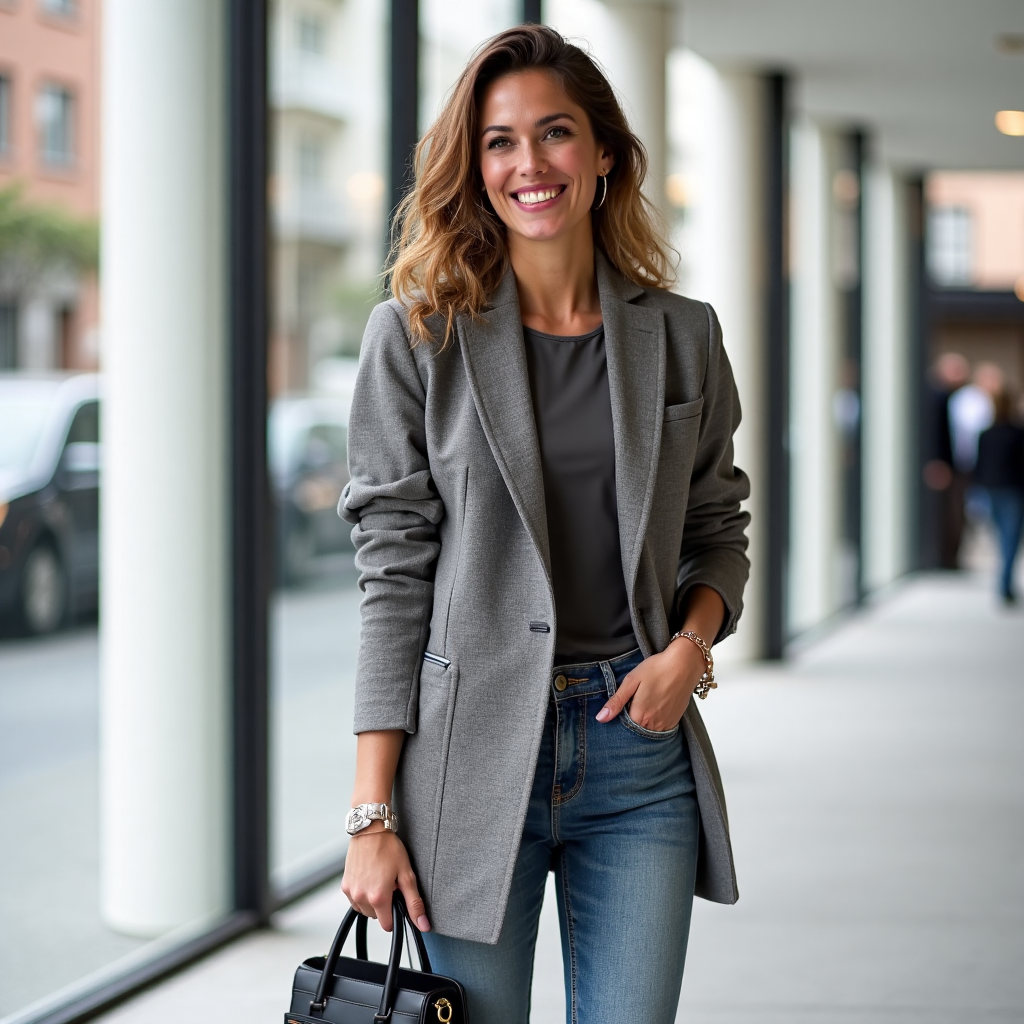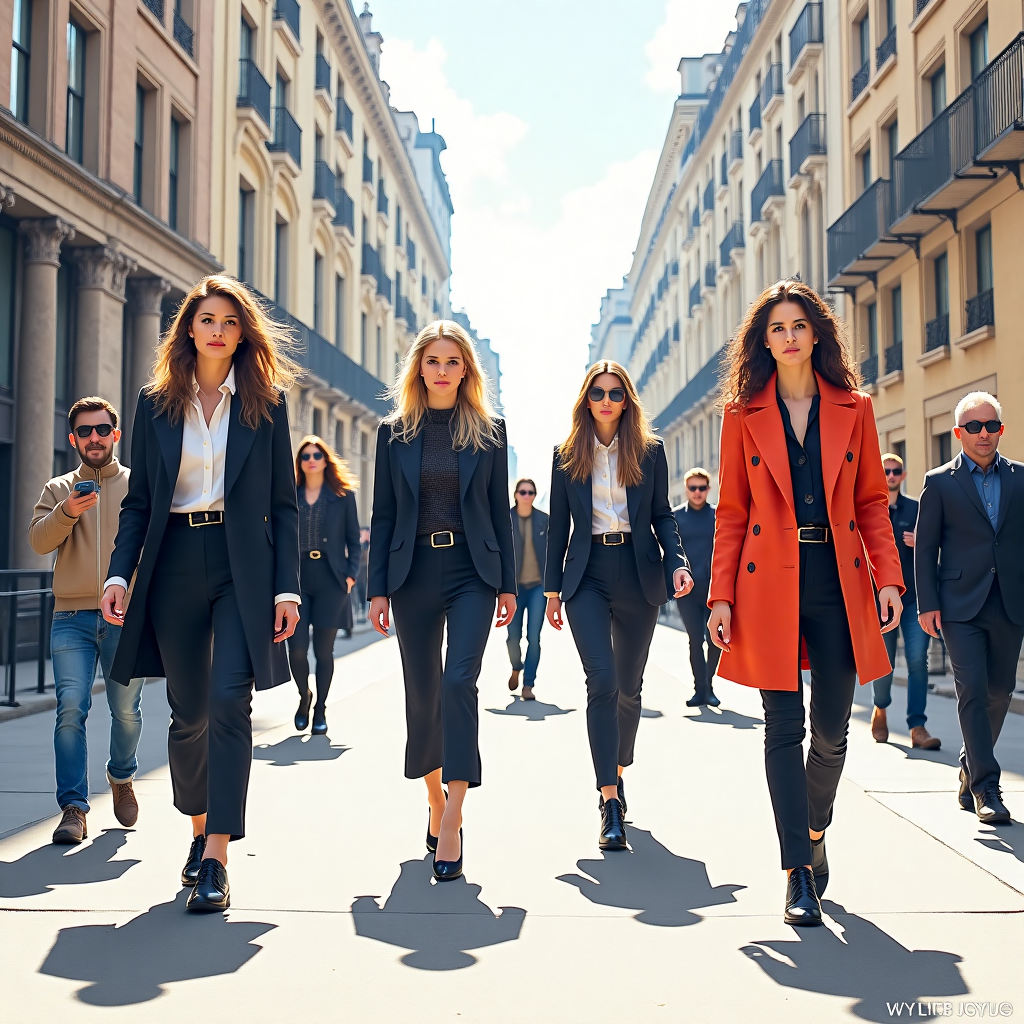
In the global pantheon of fashion capitals, Paris and New York stand as titans, each dictating sartorial trends and setting the tone for how the world dresses. Yet, for all their influence, their street style philosophies couldn’t be more distinct. The sidewalk becomes a runway, but the script is entirely different. Observing the difference between Parisian and New Yorker street style is more than a study in clothing; it’s an exploration of culture, attitude, and identity. Where one prioritizes an aura of timeless, effortless elegance, the other champions a dynamic, expressive, and often individualistic edge. This isn’t just about what’s worn—it’s about the story the wearer intends to tell the world.
To understand this sartorial divergence, we must look beyond the garments themselves. It’s rooted in history, urban rhythm, and a fundamental philosophy of living. Parisian style is often described as a uniform—a carefully curated, minimal, and enduring wardrobe that whispers sophistication. New York style, by contrast, is a loud, ever-evolving conversation—a melting pot of influences, professions, and subcultures that shouts individuality. One is about appearing perfectly undone, the other about being intentionally done. As we delve deeper, we’ll unpack the core principles, key pieces, and underlying attitudes that define these two iconic fashion ecosystems.
The Parisian Philosophy: L’Art de la Simplicité
The cornerstone of Parisian street style is an almost mythical concept: effortless chic. This isn’t carelessness; it’s a meticulously cultivated appearance of ease. The Parisian approach is built on a foundation of quality over quantity, neutral palettes, and impeccable fit. The goal is not to be the most trend-forward person on the Boulevard Saint-Germain, but to exude a quiet confidence that seems innate. The look says, “I woke up like this, and I have more important things to think about than my outfit”—even though considerable thought has indeed been invested.
The Core Elements of the Parisian Uniform
- A Neutral Color Palette: Think navy, black, white, beige, grey, and stripes (the Breton stripe is a permanent resident). Color is used as a deliberate accent—a red lip, a silk scarf—never as the main event.
- Timeless Investment Pieces: The wardrobe is built around classics: a perfectly tailored blazer, high-quality denim, a little black dress, a trench coat, and elegant leather loafers or ankle boots. These pieces are meant to last for seasons, if not decades.
- Impeccable Tailoring: Fit is non-negotiable. Whether it’s the cinched waist of a coat or the straight-leg cut of jeans, clothing must flatter the silhouette without being overtly tight or revealing.
- Understated Accessories: A single statement piece suffices—a delicate gold chain, a structured leather handbag, a classic watch. The “less is more” mantra reigns supreme.
This philosophy extends to beauty as well. The “no-makeup” makeup look, slightly tousled hair, and that iconic red lip are all part of the package. The overall effect is one of cohesion and restraint, a style that appears inherited rather than bought. It’s a uniform of belonging, signaling an understanding of a certain coded elegance that is deeply French.
The New York Ethos: The Melting Pot of Self-Expression
If Parisian style is a carefully composed sonnet, New York street style is a freestyle jazz improvisation. It is bold, eclectic, and driven by a powerful sense of individuality and ambition. New Yorkers dress for a multitude of realities—commuting on a crowded subway, sprinting to a meeting, networking at a gallery opening, all in one day. Their style is, therefore, pragmatic yet performative. It’s about making a statement, telling your story, and often, showcasing your creativity or professional prowess. There is no single “uniform”; instead, there are countless tribes and trends coexisting on the same city block.
The Hallmarks of the New Yorker’s Wardrobe
- The Power of the Statement: From a bold print coat to chunky designer sneakers, an unexpected color combination, or avant-garde silhouettes, New Yorkers are not afraid to wear a “look.” The outfit often has a conversation-starting element.
- High-Low Mixing Mastery: A $20 vintage find from a Brooklyn flea market is effortlessly paired with a coveted designer handbag. This egalitarian approach to fashion is quintessentially New York, democratizing style and prioritizing clever curation over pure luxury.
- Comfort-First Functionality: The city’s pace demands practicality. Sneakers (from Stan Smiths to the latest hype pair) are ubiquitous, even with suits and dresses. Layering is key for navigating the climate swings between subway platforms and skyscraper canyons.
- Trend Adoption & Adaptation: New York is a launchpad for global trends. Streetwear, normcore, gorpcore—you’ll see them here first, but always filtered through a personal lens. The trend is a starting point, not a rulebook.
New York beauty and grooming follow a similar ethos. It can range from a full-glam face to a completely natural look, but it’s always chosen with intent. The hair, the makeup, the accessories—all feel like part of a personal brand being projected into the urban landscape. The message is: “I am here, and I have something to say.”
Side-by-Side: A Comparative Breakdown
Let’s crystallize the differences by looking at how each city approaches specific sartorial categories.
The “Uniform” for a Casual Day
Paris: Slim-fit blue jeans (never distressed), a fine-knit black turtleneck, a tailored wool blazer, leather ankle boots, a crossbody bag, and perhaps a silk scarf tied to the bag handle. The look is monochromatic, precise, and eternally chic.
New York: High-waisted, wide-leg jeans or leggings, an oversized band t-shirt or hoodie, a statement puffer vest or utility jacket, chunky white sneakers, a roomy tote bag holding a laptop, and layered necklaces. The look is comfortable, mixed-texture, and casually cool.
The Approach to “Dressing Up”
Paris: “Dressing up” often means refining the casual uniform. Swap jeans for tailored trousers or a midi skirt, the sweater for a silk blouse, the ankle boots for heeled pumps. The palette remains neutral, the accessories elegant but minimal. The effect is understated luxury.
New York: Dressing up is an opportunity for maximalism. It could mean a sharp pantsuit with striking heels, a bold cocktail dress with architectural jewelry, or an eclectic mix of prints and textures. The goal is to command attention and convey a specific mood or personality.
The Relationship with Trends
Paris: Trends are absorbed slowly and selectively. A Parisian might adopt a new silhouette or color if it aligns with her existing philosophy of timelessness. The trend is edited to fit into the existing wardrobe lexicon, never allowed to overwhelm it.
New York: Trends are consumed, interpreted, and often amplified. They are a source of energy and a tool for reinvention. A New Yorker might fully embody a trend for a season before moving on to the next, treating fashion as an evolving form of self-expression.
Cultural Roots: Why the Divide Exists
This stark contrast isn’t accidental. It springs from deep cultural wells. Parisian style is underpinned by a national value of discretion and classicism. There’s a reverence for history, art, and a certain way of life (“l’art de vivre”). Fashion is part of a cultivated aesthetic that prioritizes lasting value and subtle signaling of good taste. It’s intellectual and understated.
New York style, conversely, is born from a spirit of immigration, hustle, and innovation. The city is a tapestry of cultures, each adding its thread. Style becomes a way to assert one’s identity, to stand out in a crowd, and to signal ambition and creativity. It’s entrepreneurial and energetic. Furthermore, the influence of industries like finance, theater, and contemporary art directly shapes the city’s sartorial landscape, making it more theatrical and results-oriented.
Conclusion: A Celebration of Two Ideals
In the end, the Paris vs. New York street style debate isn’t about determining a winner. It’s about appreciating two powerful, opposing, and equally compelling ideals in fashion. Paris offers a masterclass in refined curation—the beauty of a limited palette, perfect fit, and an aura of effortless grace. It teaches us that style can be a quiet, constant companion. New York champions the bravery of individuality—the power of mixing, the statement of a trend, and the use of clothing as a dynamic tool for personal narrative. It reminds us that fashion can be loud, fun, and fiercely personal.
Perhaps the most sophisticated style move of all is to understand the essence of both. To borrow the Parisian commitment to quality and tailoring, while embracing the New Yorker’s courage for self-expression. In the global wardrobe of today, the most interesting individuals are those who can navigate the spectrum between effortless chic and urban edge, creating a style that is uniquely and authentically their own.