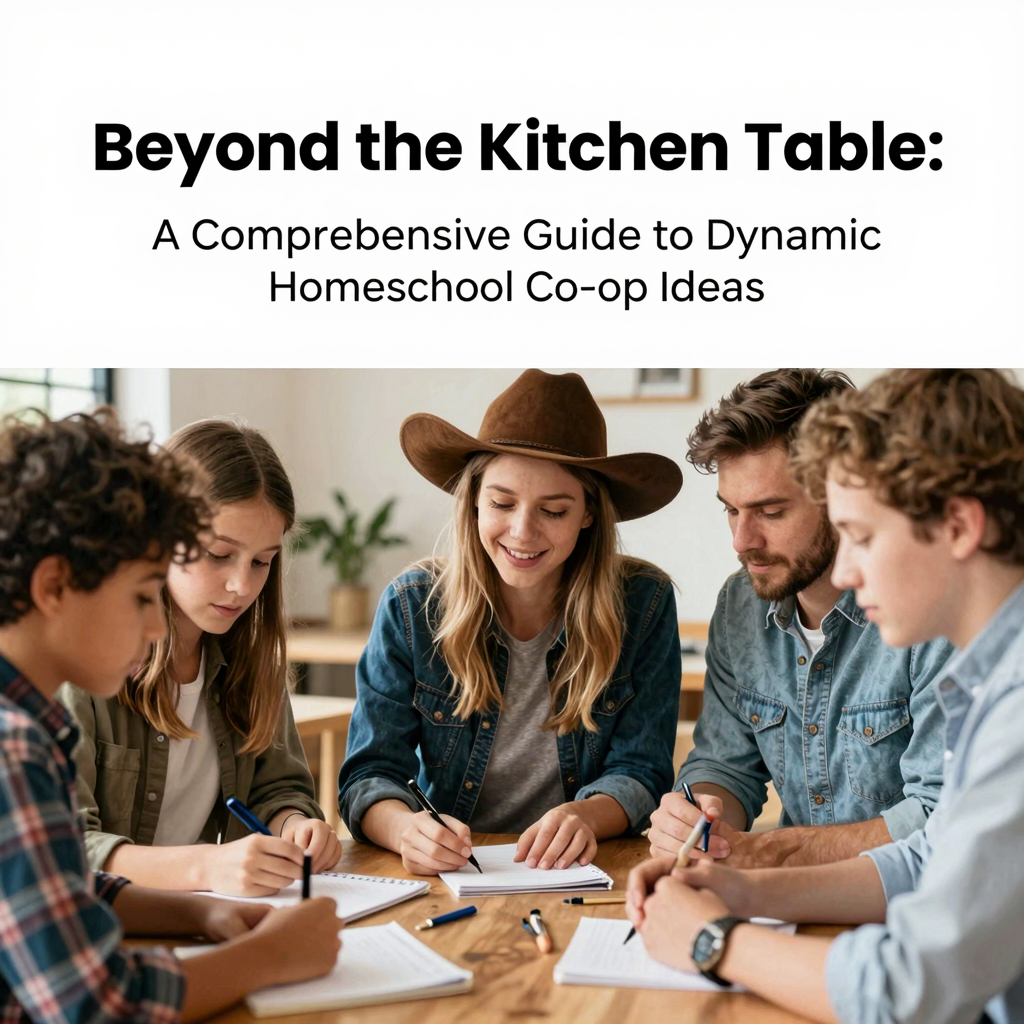
In an era where one-size-fits-all approaches are increasingly questioned, education is undergoing a quiet revolution. Parents, educators, and entrepreneurs are seeking alternatives that offer more flexibility, personalization, and community than traditional public schools can sometimes provide. Enter the microschool: a small-scale learning model gaining significant traction and challenging conventional notions of what school can look like. But what exactly *is* a microschool, and why is it sparking so much interest?
What is a Microschool?
At its core, a microschool is exactly what the name implies: a very small school. Think tiny – typically serving between 5 to 15 students, though some may accommodate up to 20 or so. This intentionally small size is the defining characteristic and the engine driving its unique benefits. Unlike a traditional classroom with 25+ students of the same age, microschools often embrace mixed-age groupings, fostering peer-to-peer learning and mentorship.
Microschools operate outside the rigid structures of large school districts. They are often independently run, either by passionate educators, parent collectives, or educational entrepreneurs. They can be housed in homes, community centers, churches, libraries, co-working spaces, or even storefronts – the focus is on creating a conducive learning environment, not on large campuses. Funding models vary widely, including tuition payments, grants, partnerships with education savings account (ESA) programs, or public funding through charter-like arrangements in some states.
It’s crucial to distinguish microschools from related concepts. While they share some similarities with homeschooling pods (which emerged prominently during the pandemic), microschools tend to be more formalized, often run by paid educators rather than parents taking direct teaching roles, and may have a more structured curriculum. They are distinct from traditional private schools primarily due to their significantly smaller size and often more agile, innovative approaches. Microschools represent a unique hybrid, blending elements of personalized homeschooling with the structure and social benefits of a school setting.
The Rise of the Microschool: A Response to Changing Needs
The concept of small, community-based learning isn’t entirely new, drawing inspiration from one-room schoolhouses and Montessori methods. However, the modern microschool movement has gained remarkable momentum in recent years, fueled by several converging factors:
The Pandemic Catalyst
The COVID-19 pandemic acted as a massive accelerator. School closures and the challenges of remote learning forced families to seek alternatives. Many formed temporary “pods” for socialization and shared learning support. Some of these pods evolved into more permanent microschools as parents and educators discovered the benefits of small-group, personalized learning and decided to continue the model.
Dissatisfaction with Traditional Models
Concerns about large class sizes, standardized testing pressures, bullying, and a perceived lack of individual attention in traditional public and private schools have led many parents to explore alternatives. Microschools promise a learning environment where each child is known deeply and their unique needs can be addressed.
Technological Enablers
The proliferation of high-quality online learning platforms, curriculum resources, and communication tools has made it easier than ever for microschools to operate efficiently. Educators can blend online instruction with hands-on, project-based learning facilitated in their small physical space.
Policy Shifts
Growing support for school choice in many states, including expanded ESA programs and flexible charter school laws, is creating more opportunities for microschools to access public funding, making them financially viable for a broader range of families.
Why Choose a Microschool? The Core Benefits
The appeal of microschools lies in the tangible benefits their small scale enables:
Hyper-Personalized Learning
This is arguably the most significant advantage. With a low student-to-educator ratio, teachers (often called guides or facilitators in microschools) can truly know each learner – their strengths, weaknesses, interests, and learning styles. Instruction can be tailored accordingly. Students can move at their own pace, diving deep into subjects they love and receiving targeted support in areas where they struggle. Learning plans are often customized, blending different curricula or resources to fit the individual child.
Strong Community and Relationships
The intimate setting fosters deep connections. Students form close bonds with their peers across age groups, learning collaboration and empathy. The relationship between the guide and the students is also much stronger, built on trust and mutual respect. Parents often report feeling more connected to the school and their child’s learning journey.
Flexible and Adaptive Environment
Microschools are inherently nimble. They can quickly adapt schedules, curriculum, and teaching methods based on student needs, interests, or real-world events. Learning isn’t confined to a desk; it can happen outdoors, in the community, or through project-based experiences that wouldn’t be feasible in a larger setting. Daily schedules can be designed to match natural learning rhythms and family needs.
Focus on Holistic Development
Many microschools emphasize not just academic skills, but also social-emotional learning, character development, life skills, and fostering a love of learning. The environment often feels safer and less pressured, allowing students to take risks and develop confidence.
Empowerment and Agency
Students in microschools often have more say in their learning. They might help choose projects, set goals, or decide how to demonstrate their understanding. This fosters intrinsic motivation and a sense of ownership over their education.
How Do Microschools Operate? Diverse Models
There’s no single blueprint for a microschool. They manifest in various ways:
- The Educator-Led Model: A passionate teacher (or small team) founds the school, often renting space and setting the curriculum and philosophy. Examples include many independent microschools and networks like Prenda.
- The Parent Cooperative: A group of families comes together, pooling resources to hire an educator and secure a learning space. Parents may play a more active role in governance or supplementary activities.
- The Franchise or Network Model: Organizations like Acton Academy or Wildflower Schools provide frameworks, training, and support for educators to start their own affiliate microschools, ensuring some consistency in philosophy while allowing for local adaptation.
- The Hybrid/Homeschool Support Model: Some microschools operate part-time, offering core instruction or enrichment activities that supplement homeschooling efforts.
- The Publicly Funded Model: In some states, microschools can operate as charter schools or receive public funding through ESA/voucher programs, increasing accessibility.
The curriculum is equally diverse. Some microschools use established programs (like Montessori, Waldorf, or specific online platforms). Others are “curriculum agnostic,” blending resources or creating their own project-based, interdisciplinary approaches. The focus is often on mastery and application rather than rote memorization and standardized testing.
Challenges and Considerations
While promising, microschools are not without challenges:
Financial Sustainability and Accessibility
Tuition can be a barrier, especially for independently funded models. While ESA programs are helping, equitable access remains a concern. Finding affordable space and ensuring the educator(s) receive fair compensation are ongoing struggles for many founders.
Regulatory Gray Areas
The legal landscape varies significantly by state. Questions about licensing, teacher certification requirements (if any), health and safety codes, and compulsory attendance laws can be complex and sometimes ambiguous for microschools, especially those operating out of homes.
Scalability and Growth
The essence of a microschool is its small size. Growing beyond a certain point risks diluting the core benefits. Founders must decide whether to stay small, replicate the model elsewhere (like networks do), or potentially transition to a different structure.
Ensuring Quality and Accountability
With such diversity, how can parents be assured of quality? While passion is common, the lack of standardized oversight means due diligence is crucial for families. Networks often provide quality control, but independent microschools rely on reputation and transparency.
Socialization Concerns
While microschools offer deep relationships within the small group, some parents worry about limited exposure to a broader diversity of peers compared to larger schools. Proponents argue that mixed-age groups and community involvement mitigate this.
The Future of Microschools
The microschool movement shows no signs of slowing down. Several trends point to its evolving future:
- Growth of Networks and Support Ecosystems: Organizations are emerging to provide resources, training, legal guidance, and community for microschool founders.
- Increased Public Funding Access: As school choice policies expand, more families may gain financial support to choose microschools.
- Technology Integration: Expect continued innovation in using EdTech to enhance personalized learning paths and administrative efficiency within the microschool context.
- Focus on Specific Needs: Microschools may increasingly cater to specific learner profiles, such as neurodiverse students, gifted learners, or those seeking particular pedagogical approaches.
- Influence on Traditional Schools: The success of microschools in personalization and community-building could pressure larger schools to adopt similar strategies within their structures, like smaller learning communities or more flexible scheduling.
Is a Microschool Right for Your Child?
Deciding whether a microschool is the right fit depends heavily on your child and your family’s values. Consider these questions:
- Does your child thrive in smaller, quieter settings or large, bustling ones?
- How important is highly individualized pacing and instruction for your child?
- Are you seeking an alternative educational philosophy not offered locally?
- What level of involvement do you want to have in your child’s schooling?
- What are your financial considerations?
Thorough research is essential. Visit potential microschools, talk to the facilitators and current families, and understand their philosophy, curriculum, and operational model.
Conclusion: A Significant Piece of the Educational Puzzle
Microschools represent a powerful shift towards learner-centered education. By prioritizing deep relationships, personalized pathways, and flexible environments, they address many of the frustrations associated with traditional schooling models. While challenges around accessibility, regulation, and scalability persist, the momentum behind microschools is undeniable.
They are not a panacea, nor are they likely to replace public education entirely. However, they offer a compelling alternative for families seeking something different. As the movement matures and support structures grow, microschools are poised to become a significant and permanent fixture in the diverse landscape of educational options, pushing the entire system towards greater personalization and flexibility. They embody the idea that sometimes, smaller really is better – especially when it comes to nurturing the unique potential of every child.