As a parent or educator, you may have heard the term “deschooling” thrown around in conversations about alternative education or homeschooling. But what exactly does it mean? The deschooling process is a transformative journey that involves stepping away from the traditional education system and embracing a more natural, self-directed approach to learning. It’s not just about removing children from schools; it’s about rethinking the entire concept of education and how it can be tailored to suit individual needs. In this article, we’ll explore the deschooling process in detail, why it’s important, and how you can implement it effectively in your family or classroom.
What is the Deschooling Process?
The deschooling process is often misunderstood as simply taking children out of school, but it’s much more than that. It’s a period of adjustment where both children and parents or educators shift their mindset away from the structured, institutionalized approach of traditional schooling. This period allows children to recover from the pressures of conventional education and rediscover their natural curiosity and love for learning.
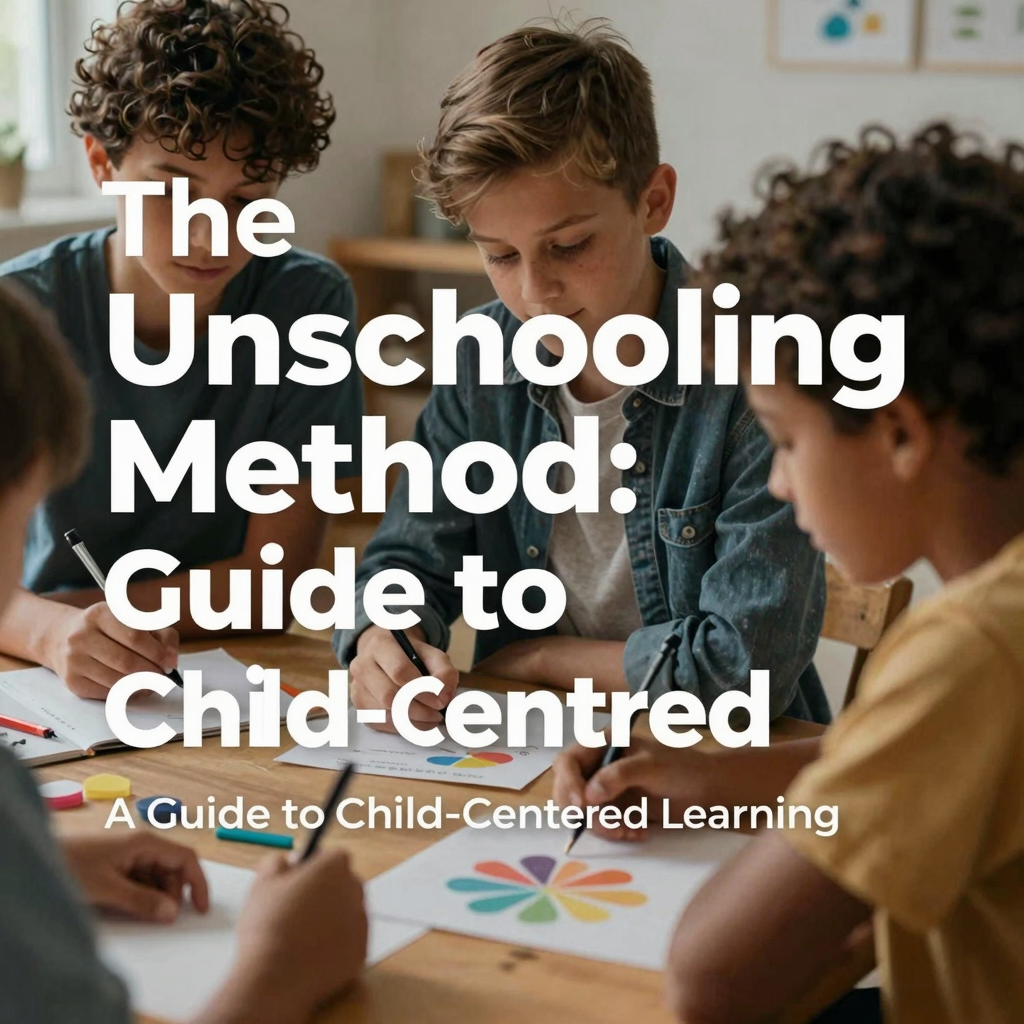
Deschooling is rooted in the idea that education doesn’t have to happen in a classroom. Instead, it can be integrated into everyday life, where children learn through exploration, play, and real-world experiences. This approach often aligns with unschooling, where learning is child-led and interest-driven. However, deschooling can also be applied in a broader sense to any situation where individuals are moving away from traditional educational methods.
During the deschooling process, children are given the freedom to choose what they want to learn and how they want to learn it. This can include anything from reading books, watching educational videos, participating in community activities, or even pursuing hobbies and interests that may not be part of a formal curriculum. The goal is to create an environment where learning is enjoyable and meaningful, rather than forced and stressful.
Why is the Deschooling Process Important?
1. It Promotes Freedom and Autonomy
One of the most significant benefits of the deschooling process is that it fosters a sense of freedom and autonomy in children. In traditional schools, children are often required to follow a strict schedule and adhere to a curriculum that may not align with their interests or learning styles. This can lead to frustration, burnout, and a dislike for learning. By deschooling, children are given the opportunity to take control of their education, making learning a more personalized and enjoyable experience.
2. It Encourages Self-Directed Learning
Self-directed learning is a cornerstone of the deschooling process. When children are no longer bound by the constraints of a traditional classroom, they can explore subjects that genuinely interest them. This not only increases their motivation to learn but also helps them develop critical thinking and problem-solving skills. For example, a child who is passionate about cooking might learn math through measuring ingredients, history through exploring the origins of different cuisines, and science through understanding the chemical reactions involved in baking.
3. It Rebuilds the Relationship Between Children and Learning
For many children, the traditional school environment can create a negative association with learning. The deschooling process aims to rebuild this relationship by making learning a natural and joyful part of life. Instead of viewing education as a chore, children begin to see it as a way to satisfy their curiosity and achieve their goals. This shift in perspective can lead to a lifelong love of learning and a more confident approach to tackling new challenges.
How to Implement the Deschooling Process
1. Start with a Gentle Transition
If you’re just beginning the deschooling journey, it’s important to start with a gentle transition. This means gradually reducing the structured aspects of traditional schooling and introducing more flexible learning opportunities. For example, you might start by allowing your child to take breaks from formal lessons and spend more time engaging in activities they enjoy. This period of adjustment can help children feel less overwhelmed and more excited about the new possibilities of learning.
2. Create a Safe and Supportive Environment
A safe and supportive environment is essential for the deschooling process. Children need to feel secure in their learning space, whether it’s at home or in a community setting. This means providing access to resources, encouraging exploration, and being available to guide and support them when needed. It’s also important to foster a sense of trust and collaboration, allowing children to take ownership of their education without fear of judgment or criticism.
3. Introduce Alternative Learning Methods
During the deschooling process, it’s crucial to introduce alternative learning methods that align with your child’s interests and learning style. This could include hands-on activities, project-based learning, or even online courses. The key is to make learning engaging and relevant to their lives. For instance, if your child is interested in technology, they might learn coding or computer programming through interactive games or online tutorials. If they love nature, they could explore botany, ecology, or environmental science through outdoor activities and field trips.
4. Encourage Exploration and Play
Exploration and play are natural ways for children to learn. During the deschooling process, you should encourage your child to explore their surroundings, try new things, and engage in imaginative play. This might involve visiting museums, parks, or libraries, or simply spending time outdoors observing the world around them. Play-based learning allows children to develop creativity, problem-solving skills, and a deeper understanding of concepts in a way that feels natural and fun.
5. Focus on Real-World Skills
Traditional schooling often focuses on academic subjects, but the deschooling process emphasizes the importance of real-world skills. This could include things like budgeting, cooking, gardening, or carpentry. By teaching children practical skills, you’re equipping them with the knowledge and confidence they need to navigate life successfully. For example, a child who learns how to manage a budget might develop a strong foundation in math and financial literacy, while also gaining a sense of responsibility and independence.
6. Foster Independence and Responsibility
One of the ultimate goals of the deschooling process is to foster independence and responsibility in children. By allowing them to take control of their education, you’re helping them develop the skills they need to make decisions, solve problems, and take ownership of their learning. This could involve setting personal goals, tracking progress, and reflecting on achievements. Over time, children will become more confident in their ability to learn and grow without relying on external structures or authority figures.
Conclusion
The deschooling process is a powerful way to redefine education and create a more meaningful learning experience for children. By promoting freedom, autonomy, and self-directed learning, you’re helping your child develop a lifelong love of learning and the confidence to tackle new challenges. While it may seem daunting at first, the deschooling process is a journey worth taking, one that can lead to greater happiness, creativity, and success for your child. So, if you’re considering deschooling, start with a gentle transition, create a safe and supportive environment, and introduce alternative learning methods that align with your child’s interests and needs. The rest will follow naturally, as you and your child discover the joy of learning together.