Beyond the Kitchen Table: A Comprehensive Guide to Dynamic Homeschool Co-op Ideas
For a decade, I’ve watched the homeschooling landscape evolve, and one element remains a consistent cornerstone of success: the cooperative, or co-op. Far more than just a weekly playdate, a well-run co-op is a powerhouse of shared resources, collective expertise, and vital community. It’s the village raising the child, in action. But how do you move beyond the basics to create a co-op experience that is vibrant, sustainable, and deeply enriching for every family involved? The answer lies in innovative structure and creative collaboration. Whether you’re a seasoned co-op coordinator or a family just starting to explore the possibilities, this guide is packed with actionable ideas to energize your homeschool journey.
Rethinking the Co-op Model: From Structure to Specialization
The traditional weekly co-op, where families meet for a full day of classes split by age, is a fantastic model, but it’s not the only one. Flexibility is key to meeting diverse needs. Consider these structural variations to find the perfect fit for your group.
1. The Micro-Co-op or Pod
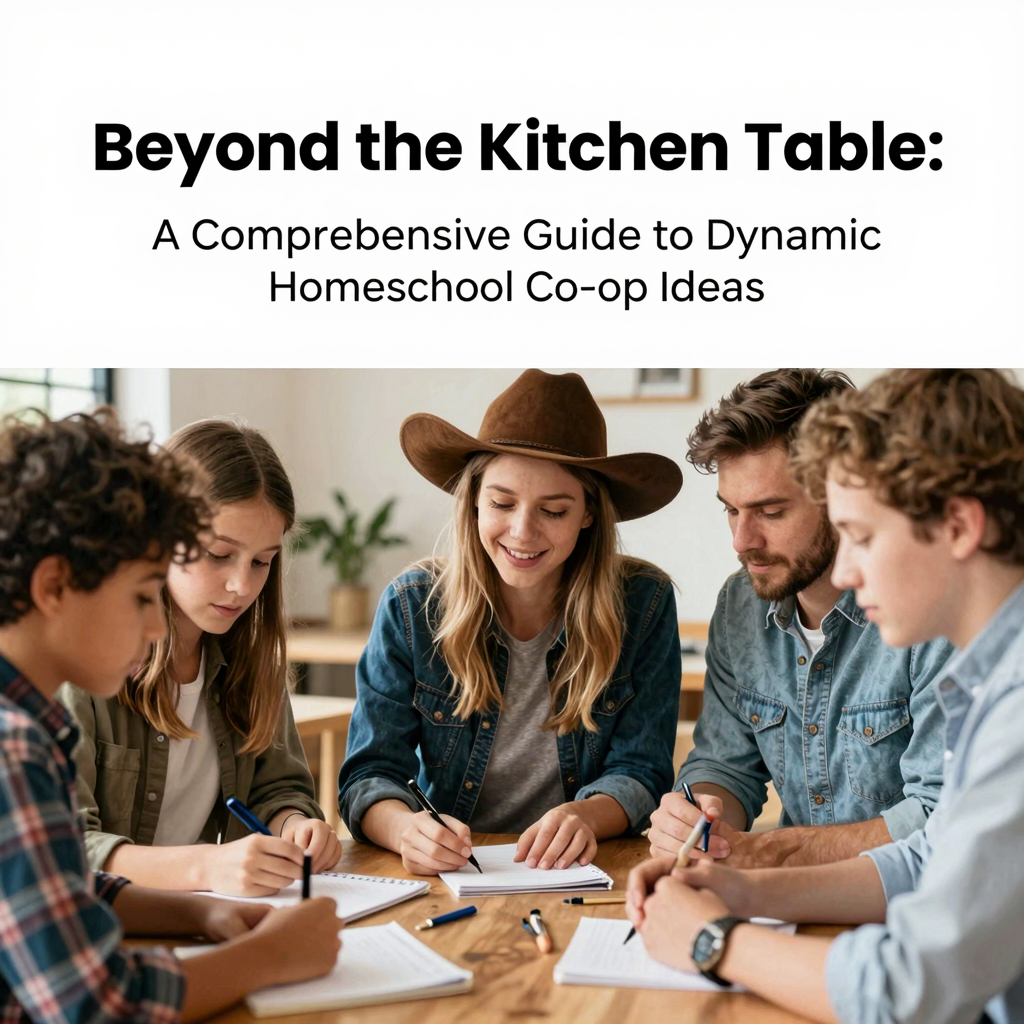
Ideal for families seeking deep, focused relationships, a pod consists of 3-5 families with children of similar ages. The focus is often on core academic supplementation or project-based learning. One parent with a strength in mathematics might teach that subject, while another leads a literature seminar. This model offers maximum flexibility in scheduling and curriculum alignment, allowing for in-depth discussion and field trips tailored to the group’s current studies.
2. The Special Interest Club
Instead of trying to cover all subjects, build a co-op around a shared passion. This could be a STEM Club that meets monthly for robotics challenges, chemistry labs, or coding workshops. A History Guild could dive into immersive historical reenactments, artifact studies, or debate societies. A Young Entrepreneurs Co-op could teach business fundamentals, culminating in a market day. This model leverages specific parent expertise and caters to students’ keen interests, often leading to higher engagement.
3. The Skill-Share Collective
This model operates on a true barter system. It focuses less on formal academics and more on life skills and arts. Families offer workshops in their areas of proficiency. Schedule could be a rotating Saturday workshop series featuring sessions like:
- Introductory Carpentry & Tool Safety
- Basic Auto Maintenance (checking oil, changing a tire)
- Gardening and Composting
- Financial Literacy for Teens
- Photography and Digital Editing
- First Aid & CPR Certification
This model brilliantly pools community resources and equips students with practical knowledge rarely found in standard textbooks.
Creative Class & Activity Ideas to Ignite Learning
Once you’ve settled on a structure, the real fun begins: planning the content. Move beyond standard subject divisions to create interdisciplinary, hands-on experiences that students will remember.
Elementary & Middle School Sparks
For younger learners, focus on exploration and sensory engagement.
- Literary Feasts: Read a book like “Stone Soup” or “Charlie and the Chocolate Factory” and have each child contribute to cooking a related meal together, practicing math (measurement), reading (recipes), and teamwork.
- Living History Days: Choose an era—Medieval Times, Colonial America, the Pioneer West. Kids research, create costumes, prepare period-appropriate food, learn a relevant craft (illuminated letters, candle dipping), and present their “character” to the group.
- Backyard Science Expeditions: Transform into ecologists for a day. Equip kids with journals, magnifying glasses, and insect jars. Map the local flora and fauna, collect (and later release) specimens, and learn about local ecosystems. A parent with science knowledge can guide taxonomy and discussions on food webs.
High School & College-Prep Hubs
Older students benefit from co-ops that offer sophistication, academic rigor, and real-world preparation.
- Mock Trial & Debate Team: This is a powerhouse for teaching critical thinking, research, and public speaking. Partner with a local attorney or debate coach to structure the program. The culminating event can be a trial or debate judged by community professionals.
- Interdisciplinary Seminar Series: Tackle big themes like “The Ethics of Technology,” “Environmental Stewardship,” or “Social Justice in Literature.” Each week, a different parent or guest expert leads a Socratic-style discussion, blending history, philosophy, science, and art. Students complete culminating projects like research papers, documentaries, or community action plans.
- Career Incubator: Invite parents and community members from various professions (engineers, journalists, nurses, small business owners) for monthly “Career Spotlight” talks and Q&As. Pair this with workshops on resume writing, LinkedIn profiles, and interview skills.
Building a Sustainable and Thriving Co-op Community
A co-op is more than its class list; it’s an organism that requires care, clear communication, and shared vision to thrive. Here are the pillars of a successful co-op, forged from a decade of observation.
Establish Clear Guidelines from Day One. Create a simple but explicit co-op agreement. This should cover: participation expectations (teaching/helper roles, cleanup duties), a code of conduct for students and adults, a sickness policy, and financial responsibilities (if any for supplies or venue fees). Putting this in writing prevents misunderstandings and ensures everyone is on the same page.
Embrace Distributed Leadership. Avoid burnout by spreading responsibility. Have a point person for scheduling, another for communications, another for field trip coordination, and another for managing shared supplies. Rotate these roles annually. Utilize digital tools like shared calendars, group messaging apps (with clear rules for usage), and cloud storage for lesson plans and resources.
Prioritize Connection. The social-emotional support is a primary benefit. Schedule time for it. Begin each meeting with a brief social period for parents and kids. Plan occasional parent-only meet-ups or family potlucks. Celebrate achievements together—a science fair, a poetry recital, the end of a successful semester. This builds the trust and camaraderie that makes the co-op resilient through inevitable challenges.
The Heart of the Homeschool Village
Ultimately, the most powerful “idea” for a homeschool co-op is the intention behind it. It’s not about replicating a school building, but about creating a unique learning ecosystem that leverages the collective strengths of your community. It’s in the messy, joyful collaboration of a group science project, the spirited debate in a living room seminar, and the patient coaching of a teen by a mentor who isn’t their parent. By thoughtfully structuring your group, infusing it with creative and rigorous offerings, and nurturing the community itself, you build more than just a supplement to your homeschool. You build a vibrant, supportive village that empowers not just the students, but every family on the journey. The best co-op idea is the one that fits your community’s unique needs and grows with you, transforming the solitary path of homeschooling into a rich, shared adventure.