Welcome to the wonderful, whiskered world of the indoor cat! As more cat guardians choose to keep their feline friends safely inside, the question of quality of life becomes paramount. An enriched indoor cat is a happy, healthy, and well-adjusted companion. Enrichment isn’t a luxury; it’s an essential component of responsible cat care. It’s about meeting their instinctual needs for hunting, climbing, scratching, and exploring—all within the safety of your home. With a decade of experience in the pet care space, I’ve seen firsthand the transformative power of a thoughtfully enriched environment. This comprehensive guide will walk you through the philosophy and practical steps to creating a feline paradise that stimulates your cat’s body, mind, and soul.
The “Why” Behind Enrichment: More Than Just Avoiding Boredom
Before diving into the “how,” let’s understand the “why.” Cats are not domesticated to the same degree as dogs; they remain skilled predators with complex behavioral needs. When these needs go unmet in a sterile indoor environment, problems can arise. Boredom and frustration often manifest in ways we label as “behavioral issues”: inappropriate scratching, excessive vocalization, over-grooming, aggression, or lethargy and weight gain. Enrichment proactively addresses these needs, preventing problems before they start. It provides vital mental stimulation, keeping your cat’s brain sharp and engaged, which is especially crucial as they age. Furthermore, it offers necessary physical exercise, helping to manage weight and maintain muscle tone. Ultimately, a comprehensive enrichment strategy strengthens the bond between you and your cat, building trust and providing shared activities that are fun for both of you.
Pillars of Purrfection: Key Areas for Feline Enrichment
Effective enrichment isn’t random; it’s structured around fulfilling your cat’s core instincts. Think of your home as a habitat you are designing for a small, clever predator. A successful habitat addresses several key areas.
1. The Hunter’s Banquet: Food & Foraging
The easiest and most impactful change you can make is to rethink mealtime. In the wild, a cat would work for its food, engaging in multiple short “hunt-catch-kill-eat” sequences daily. Plopping food in a bowl removes all this natural behavior. Instead, make your cat work for their meals. Use puzzle feeders, which range from simple balls that dispense kibble when batted to more complex boards with compartments and sliders. You can also hide small piles of kibble around the house in safe, easy-to-find spots to start a “food scavenger hunt.” This engages their incredible sense of smell and problem-solving skills, turning a 30-second eating event into a 20-minute stimulating activity.
2. The Vertical Kingdom: Height & Territory
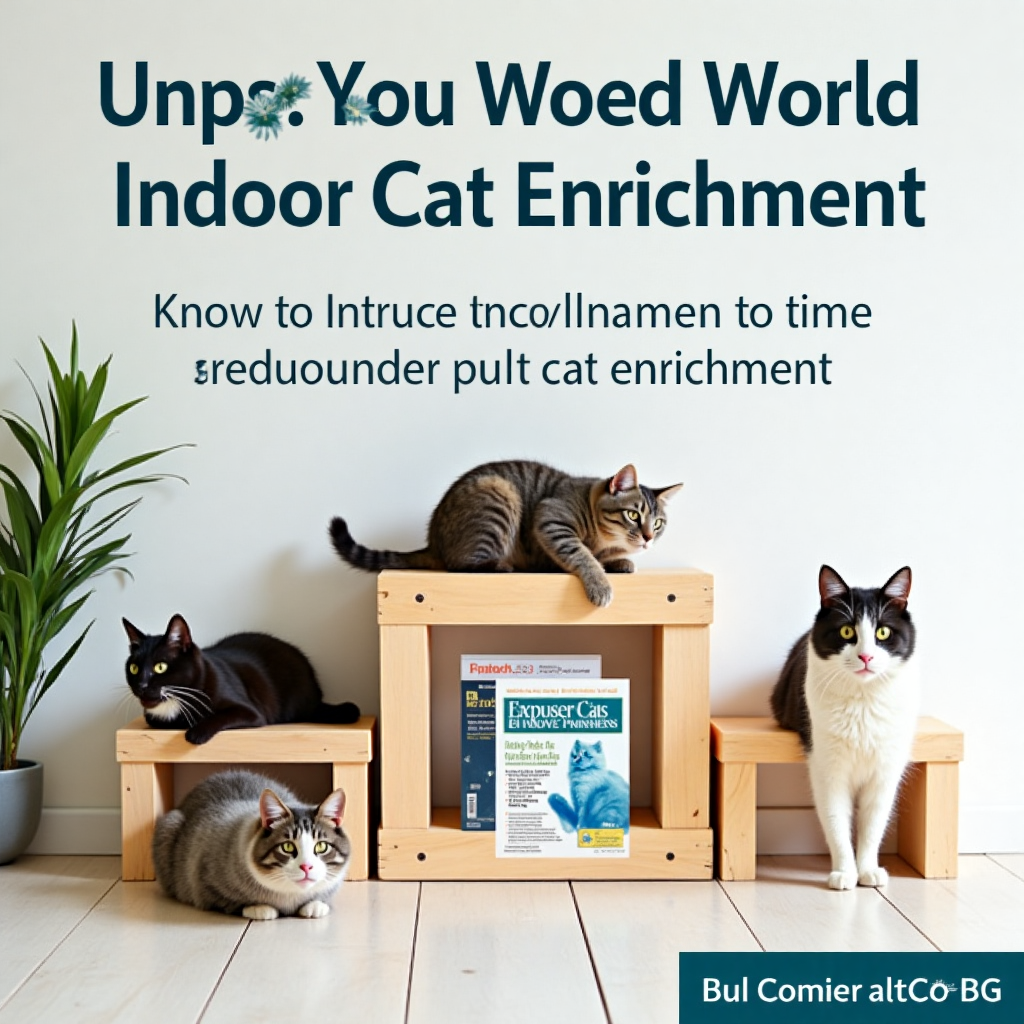
Cats are climbers. Height equals safety, territory, and confidence. A cat who feels secure in its environment is a more relaxed cat. Provide ample vertical space with cat trees, wall-mounted shelves, window perches, and even access to the top of sturdy bookshelves (clear a space for them!). Create a “cat superhighway” that allows them to navigate a room or your entire home without ever touching the floor if they choose. This is especially important in multi-cat households, as it allows cats to avoid each other gracefully and claim their own elevated spaces, reducing tension.
3. The Need to Scratch: Claw & Marking Stations
Scratching is non-negotiable. It’s how cats condition their claws, stretch their bodies, and visually and scent-mark their territory. The key is to provide approved, appealing scratching options in key locations. Place sturdy, tall scratchers (sisal rope is a favorite) near sleeping areas, entryways, and in common family rooms—places your cat already considers important. Offer a variety: horizontal, vertical, and angled. Encourage use with catnip or interactive play near the post. Never punish scratching; instead, make the right choice the most attractive one.
4. The Thrill of the Chase: Interactive Play
Dedicated, daily interactive play is the cornerstone of bonding and exercise. It simulates the hunt. Use wand toys (like da bird or a simple string with feathers) to mimic prey: darting, hiding, skittering, and then allowing your cat to “catch” and “kill” the toy. Have a short, intense play session of 10-15 minutes, preferably before meals, to satisfy the natural hunt-eat-groom-sleep cycle. End with a treat or their meal to provide the final reward. Rotate toys to keep them novel and interesting.
5. Sensory Stimulation: Sight, Sound, and Smell
Engage all your cat’s senses. For sight, provide a “cat TV” by setting up a bird feeder outside a secure window with a comfortable perch. For sound, try playing species-specific music or leaving on quiet nature documentaries. For smell, introduce new scents safely with cat-safe herbs like catnip, silver vine, or valerian root. You can also use synthetic feline pheromone diffusers (like Feliway) to create a calming atmosphere. Simple changes, like bringing in a cardboard box or a paper bag (with handles removed), provide novel textures and hiding spots that are irresistibly exciting.
Building Your Enrichment Blueprint: A Practical Plan
Getting started can feel overwhelming, but the goal is gradual, sustainable improvement. You don’t need to buy everything at once. Start by auditing your home from your cat’s perspective.
- Assess Your Space: Walk through each room. Where can you add a perch? Is there a boring corner that could fit a scratching post? Can you clear a shelf?
- Create a Routine: Cats thrive on predictability. Schedule two short play sessions a day (morning and evening work well). Incorporate food puzzles into their daily feeding routine.
- Rotate, Don’t Saturate: Have a “toy library.” Put half the toys away for a week or two, then swap them out. The “new” old toys will be greeted with fresh enthusiasm.
- Think Safety First: Ensure all climbing structures are stable. Avoid small, ingestible parts on toys. Never use hands or feet as playthings. Secure window screens.
- Observe and Adapt: Every cat is an individual. Some love to climb; others are “bush dwellers” who prefer tunnels and boxes. Watch what your cat enjoys and tailor your approach. A nervous cat might need more hiding places and slower introductions to new things, while a bold cat might crave more complex puzzle feeders.
The Rich Reward: A Lifetime of Feline Fulfillment
Investing in indoor cat enrichment is an investment in your cat’s long-term health and happiness, and in the harmony of your home. It’s a dynamic, ongoing process of observing, interacting, and creatively adapting your shared environment. The benefits are profound: a cat that is physically fit, mentally stimulated, emotionally secure, and deeply bonded to you. You’ll witness fewer “problem” behaviors and more delightful displays of natural feline behavior—the graceful leap to a high shelf, the focused intensity on a puzzle feeder, the contented nap in a sunny, elevated spot. By committing to their enrichment, you are honoring the incredible, wild creature that lives within your domestic companion, providing them with a life that is not just safe, but truly, vibrantly fulfilling.