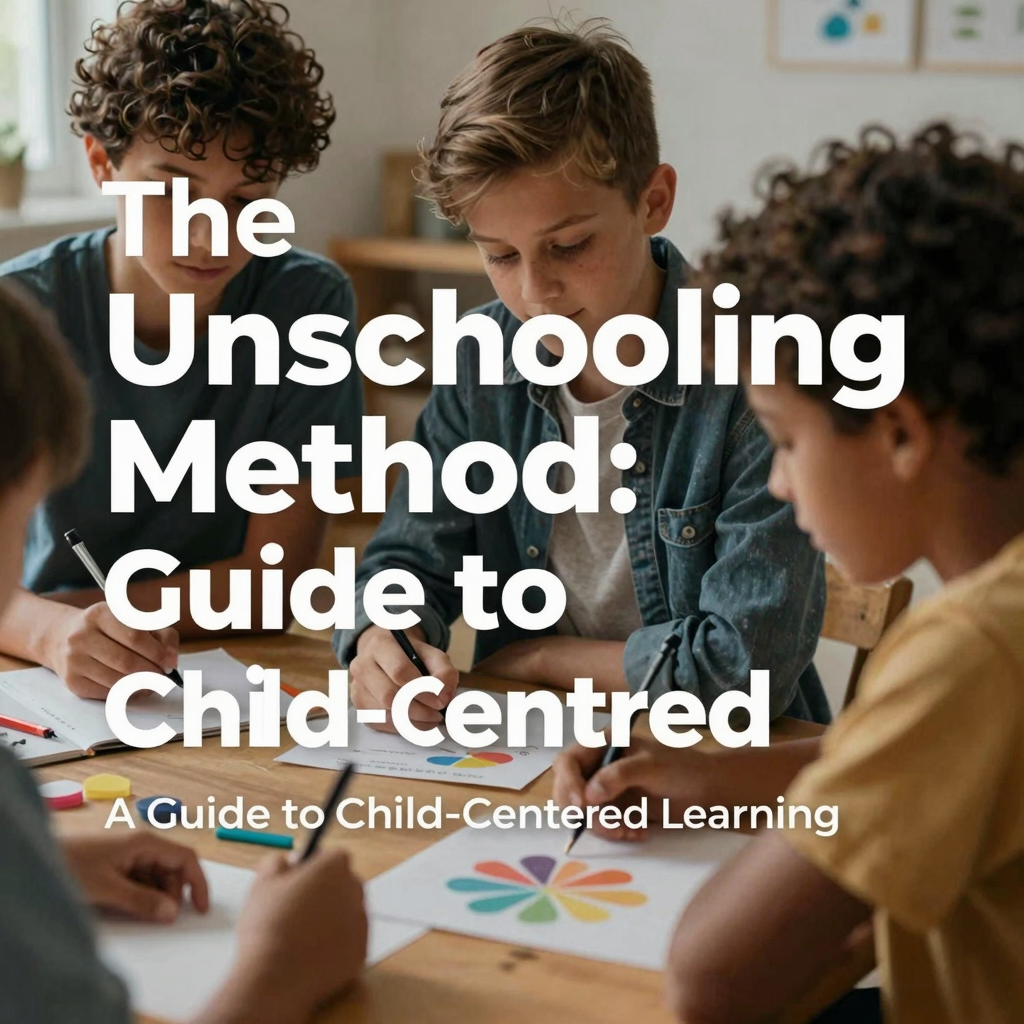
Unschooling is a revolutionary approach to education that challenges traditional methods and places the child’s interests, curiosity, and natural learning process at the forefront. Unlike conventional schooling, which follows a rigid curriculum and structure, unschooling encourages children to explore the world at their own pace, guided by their passions and questions. This method has gained popularity among parents who seek a more personalized and flexible way to educate their children, often emphasizing real-life experiences and self-directed learning. In this article, we will delve into the unschooling method, its principles, benefits, and challenges, as well as provide insights into how you can implement it effectively in your family’s life.
What is the Unschooling Method?
Unschooling, also known as child-led learning, is an educational philosophy that prioritizes the child’s freedom to learn naturally through their own experiences and interests. It is rooted in the belief that children are inherently curious and motivated to learn when they are given the autonomy to choose what and how they learn. Instead of following a set curriculum, unschooling allows children to explore subjects that captivate their attention, whether it’s through reading, playing, experimenting, or engaging in real-world activities.
The term “unschooling” was popularized by educator John Holt in the 1960s and 1970s. Holt argued that traditional schooling often stifles children’s natural curiosity and love for learning by imposing arbitrary rules and schedules. He believed that learning is most effective when it is organic, relevant, and driven by the child’s own desires. Unschooling, therefore, is not about “un-teaching” or neglecting education but about creating an environment where learning can happen naturally and spontaneously.
One of the key tenets of unschooling is that learning is a lifelong process, not confined to the walls of a classroom or the pages of a textbook. This method encourages parents to view the world as a classroom, where everyday experiences—from cooking meals to exploring nature—can be rich opportunities for learning. By allowing children to take the lead in their education, unschooling aims to foster independence, critical thinking, and a deep love for learning that lasts a lifetime.
Principles of the Unschooling Method
Unschooling is built on several core principles that guide its practice:
- Freedom: Children are free to explore their interests without the constraints of a predetermined curriculum. This freedom allows them to develop at their own pace and in their own way.
- Curiosity: The method relies heavily on the child’s natural curiosity. Parents act as facilitators, helping children find resources and opportunities to delve deeper into subjects that excite them.
- Real-Life Learning: Unschooling emphasizes learning through real-life experiences rather than abstract concepts. This approach makes education more tangible and relevant to the child’s daily life.
- Trust: Trusting the child’s ability to learn and grow is central to unschooling. Parents must have confidence in their child’s innate drive to seek knowledge and skills.
- Responsibility: Children are encouraged to take responsibility for their own learning, which helps them develop self-discipline and a sense of ownership over their education.
These principles create a foundation for a learning environment that is both nurturing and empowering. By focusing on the child’s individual needs and interests, unschooling aims to cultivate a well-rounded, self-motivated learner who is equipped to navigate the complexities of the real world.
Benefits of the Unschooling Method
Proponents of unschooling argue that this method offers numerous advantages over traditional schooling. One of the most significant benefits is that it fosters a love for learning. When children are allowed to pursue topics that genuinely interest them, they are more likely to become deeply engaged and retain information. This passion for learning often translates into a lifelong curiosity and a proactive approach to acquiring new skills and knowledge.
Another advantage of unschooling is that it promotes independence and self-direction. By giving children the freedom to choose their own learning paths, parents help them develop the ability to think critically and solve problems on their own. This sense of autonomy can lead to greater confidence and resilience as children grow older, equipping them to tackle challenges with a sense of purpose and determination.
Unschooling also encourages creativity and innovation. Without the constraints of a standardized curriculum, children are free to explore unconventional ideas and think outside the box. This creative freedom can lead to unique insights and a deeper understanding of the world, as children are not limited by pre-established frameworks or expectations.
Challenges of the Unschooling Method
While unschooling offers many benefits, it is not without its challenges. One of the primary concerns for parents is the fear that their child may miss out on essential skills or knowledge. Without a structured curriculum, it can be difficult to ensure that children are exposed to a broad range of subjects. However, many unschooling families address this by actively seeking out diverse learning opportunities and engaging in discussions about what their child is learning.
Another challenge is the lack of external validation. Unlike traditional schooling, which provides clear benchmarks for success, unschooling can feel ambiguous. Parents may struggle with measuring progress or determining whether their child is “keeping up” with peers. This requires a shift in mindset, as unschooling prioritizes quality of learning over quantity or standardized outcomes.
Socialization is another area that often raises questions. Critics argue that unschooled children may lack opportunities to interact with peers in a structured setting, potentially hindering their social development. However, unschooling families often find creative ways to ensure socialization, such as participating in community activities, joining clubs, or engaging in group projects with other unschooling children.
Implementing the Unschooling Method
Implementing the unschooling method requires careful planning and a willingness to adapt. Here are some practical steps to help you get started:
1. Observe and Follow Your Child’s Interests
The first step in unschooling is to observe your child and identify their natural interests and passions. Spend time engaging in conversations with them, asking questions about what they enjoy and what they want to learn. Pay attention to the topics they return to repeatedly or the activities that capture their attention for extended periods. These are often indicators of areas where they are naturally inclined to learn.
Once you’ve identified your child’s interests, you can begin to provide resources and opportunities that align with those interests. For example, if your child is fascinated by dinosaurs, you might take them to a natural history museum, provide books on the subject, or even plan a trip to a fossil dig site. The goal is to create a rich, stimulating environment that supports their curiosity and allows them to explore their interests deeply.
2. Create a Learning-Friendly Environment
Unschooling thrives in an environment that is conducive to learning. This means having access to a wide range of materials, from books and art supplies to scientific tools and outdoor gear. A well-stocked home library, for instance, can be a invaluable resource for children who love to read and explore new topics.
Additionally, it’s important to foster a sense of wonder and exploration in your child. Encourage them to ask questions, experiment, and take risks. Provide opportunities for hands-on learning, such as cooking, gardening, or building projects, which allow children to apply their knowledge in practical ways. These experiences not only reinforce learning but also help children develop a deeper appreciation for the world around them.
3. Trust the Process
One of the most challenging aspects of unschooling is trusting the process. It can be tempting to compare your child’s progress to that of traditionally schooled peers or to feel the need to “cover” specific subjects at certain ages. However, unschooling requires patience and faith in the child’s natural learning abilities.
Trust that your child will learn what they need to know when they need to know it. This may mean that they learn to read at a later age than their peers or that they delve deeply into a subject that seems unconventional. The key is to remain flexible and open to the possibilities of learning, even when they don’t fit into a traditional timeline or framework.
4. Be an Active Participant in Your Child’s Learning
While unschooling emphasizes child-led learning, parents still play a crucial role in guiding and supporting their child’s education. This means being an active participant in their learning journey, rather than a passive observer. You can do this by engaging in discussions, asking thought-provoking questions, and providing resources and opportunities that align with their interests.
It’s also important to model a love for learning yourself. Children are naturally inclined to mimic the behaviors of their parents, so if you demonstrate a curiosity and enthusiasm for learning, your child is more likely to adopt those traits. Whether it’s learning a new hobby, taking up a course, or simply reading for pleasure, your own actions can inspire your child to embrace lifelong learning.
5. Track Progress and Address Gaps
While unschooling is often seen as a free-form approach, it’s still important to track your child’s progress and ensure that they are developing essential skills. This can be done through informal assessments, such as observing their ability to read, write, and perform basic math, as well as through more structured evaluations, such as portfolio reviews or standardized tests.
If you notice gaps in your child’s knowledge or skills, don’t be afraid to address them. This might involve introducing new materials or activities that encourage them to explore areas they haven’t yet touched on. The key is to do this in a way that feels natural and organic, rather than forcing them into a structured learning environment.
Conclusion
The unschooling method is a powerful alternative to traditional education that prioritizes the child’s natural curiosity, interests, and learning pace. By creating a flexible, child-centered environment, parents can help their children develop a deep love for learning, independence, and creativity. While there are challenges to unschooling, such as ensuring a broad education and addressing socialization concerns, these can be overcome with careful planning, trust, and a willingness to adapt.
If you’re considering unschooling for your family, take the time to research and reflect on whether this method aligns with your values and goals. Observe your child’s interests and passions, and create opportunities for them to explore those interests deeply. Above all, trust your child’s ability to learn and grow, and be prepared to embrace the joys and challenges of this unique educational journey. With patience, creativity, and a commitment to learning, unschooling can be a fulfilling and enriching experience for both you and your child.