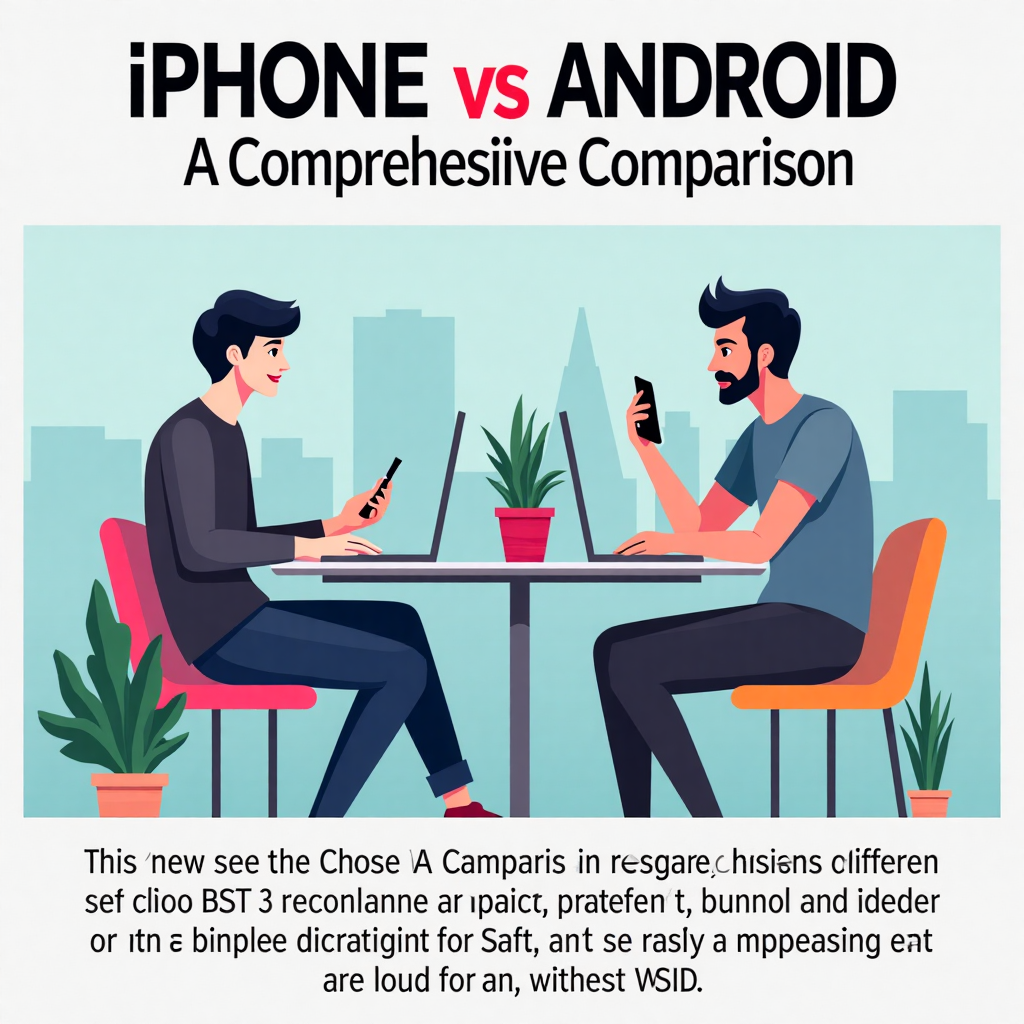
In the ever-evolving world of smartphones, the debate between iPhone and Android has been a hot topic for years. Both platforms have their loyal followers, each with their own set of advantages and disadvantages. Whether you’re a long-time iPhone user considering switching to Android or an Android enthusiast curious about what the iPhone offers, this article will provide you with a detailed comparison to help you make an informed decision.
Design and User Experience
Physical Design
When it comes to design, iPhones are known for their sleek, minimalist aesthetic. Apple’s focus on clean lines and premium materials like aluminum and glass has made the iPhone a favorite among those who value style and build quality. The iPhone’s design is consistent across its lineup, with models like the iPhone 15 Pro offering a premium feel while the standard models remain affordable yet stylish.
Android devices, on the other hand, offer a wider variety of designs. From budget-friendly plastic models to high-end glass and metal flagships, Android phones cater to a broader audience. Flagship Androids like the Samsung Galaxy S23 Ultra or Google Pixel 7 Pro often feature cutting-edge designs, including foldable screens and unique camera setups. However, the sheer number of Android models means that build quality can vary significantly depending on the brand and price point.
User Interface
iOS, the operating system for iPhones, is renowned for its intuitive and user-friendly interface. Apple’s design philosophy emphasizes simplicity and ease of use, making it easy for both new and experienced users to navigate. The iOS interface is consistent across all iPhone models, ensuring a seamless experience regardless of which iPhone you own. Additionally, iOS updates are rolled out quickly and consistently, with all supported models receiving the latest features and security patches within a short time frame.
Android’s user interface is more customizable. Google’s stock Android, known as Android One, offers a clean and minimalist experience similar to iOS, but many Android brands layer their own skins on top of the OS. These skins can add features like widgets, custom animations, and app launchers, making Android highly adaptable to individual preferences. However, this customization can sometimes lead to bloatware or a cluttered interface, especially on budget Android models. Google also ensures that its Pixel devices receive timely updates, but other Android brands may lag behind in updating their devices.
Performance and Ecosystem
Hardware Performance
iPhone models are equipped with Apple’s A-series chips, which are among the most powerful mobile processors available. These chips deliver exceptional performance for tasks like gaming, video editing, and multitasking. iPhones also have optimized software that runs smoothly on their hardware, ensuring that even older models remain fast and responsive.
Android phones, especially flagships, are also powered by top-tier processors like Snapdragon and Exynos. These chips often offer more raw power than Apple’s A-series, particularly in multi-core performance. However, the software optimization on Android can sometimes lag behind iOS, meaning that even high-end Androids may not always deliver the same level of smooth performance as iPhones. That said, Android’s hardware diversity allows for more specialized features, like foldable screens or high refresh rate displays, which are not yet available on iPhones.
Ecosystem Integration
iPhones are part of Apple’s broader ecosystem, which includes Macs, iPads, Apple Watches, and AirPods. The integration between these devices is seamless, with features like AirDrop, Handoff, and iCloud making it easy to transfer files and continue tasks across devices. Apple’s ecosystem also benefits from its focus on privacy and security, with features like Face ID and iCloud encryption protecting user data.
Android’s ecosystem is more open and diverse. While Google’s ecosystem includes Pixel phones, Chromebooks, and Nest devices, Android also works well with other brands’ products. For example, an Android phone can pair with a Samsung Smart TV or an Amazon Echo without any issues. Android’s openness also means that users can choose from a variety of services, like Google Photos or Samsung DeX, to enhance their experience. However, this diversity can sometimes lead to fragmentation, with different Android devices and services not always working together as smoothly as Apple’s ecosystem.
Camera and Photography
iPhone Camera
Apple has consistently led the pack in smartphone photography, with the iPhone 15 Pro offering a cutting-edge camera system that includes a 48MP main camera, improved low-light performance, and advanced computational photography features. iPhones are known for their ability to take high-quality photos with ease, thanks to features like Smart HDR, Night Mode, and Deep Fusion. The camera app on iPhones is also designed to be user-friendly, with minimal controls and maximum automation.
Additionally, iPhones benefit from Apple’s ecosystem when it comes to editing and sharing photos. Apps like Photos and Lightroom are optimized for iPhones, making it easy to edit and share your shots. iPhones also offer features like ProRAW, which allows professional photographers to capture high-quality RAW images for more control in post-processing.
Android Camera
Android phones, particularly Google Pixels and Samsung flagships, have made significant strides in camera technology. Google’s Pixel phones are known for their computational photography capabilities, with features like Night Sight, Super Res Zoom, and Real Tone ensuring that photos are sharp, colorful, and well-exposed even in challenging lighting conditions. Samsung’s flagships, like the Galaxy S23 Ultra, offer advanced features like 200MP cameras, 8K video recording, and AI-driven enhancements.
Android’s camera ecosystem is also highly customizable. With features like manual controls, RAW image capture, and third-party camera apps, Android users have more options to fine-tune their photography experience. Google’s Photos app is also a strong contender, with features like automatic backup and AI-powered editing tools making it a popular choice among Android users.
Conclusion
Choosing between an iPhone and an Android phone ultimately comes down to personal preference and priorities. iPhones offer a polished, seamless experience with top-notch performance, privacy, and ecosystem integration. Android phones, on the other hand, provide greater hardware diversity, customization options, and often more advanced features at a lower price point.
If you value a consistent, user-friendly experience and无缝 integration with other Apple devices, the iPhone is likely the better choice for you. However, if you prefer a more customizable phone with access to a wider range of hardware and features, an Android phone might be the way to go. Whichever you choose, you’ll be getting a high-quality smartphone that can meet your needs, whether you’re a casual user or a power user.