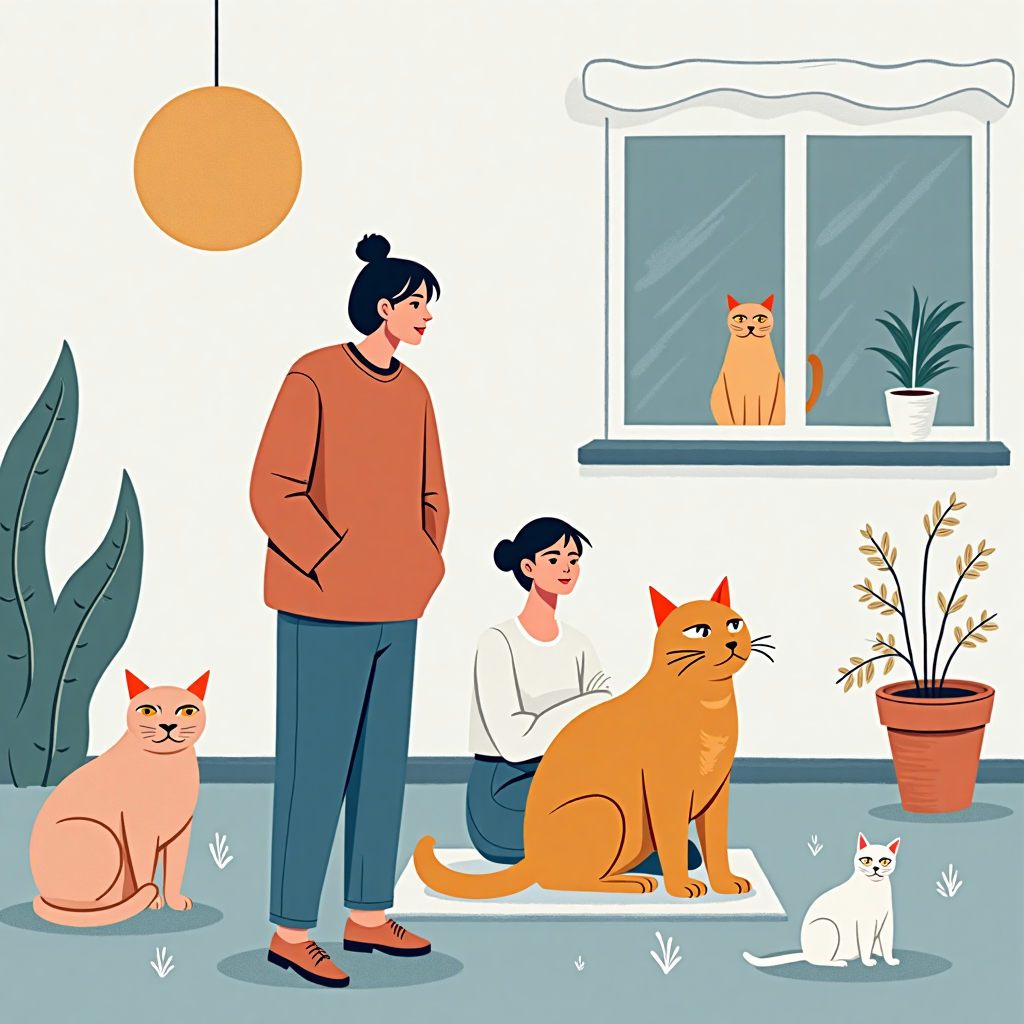
Dealing with an overly anxious cat can be challenging, but it’s not impossible. Cats, like humans, experience anxiety for various reasons, and with the right approach, you can help your feline companion find calm and peace. This article will guide you through understanding the signs of anxiety, effective calming techniques, and practical steps to create a safer, more comfortable environment for your cat.
—
Understanding Feline Anxiety
Identifying the Signs of Anxiety
Before taking any steps to calm your cat, it’s important to recognize the signs of anxiety. Common indicators include:
- A cat that seems overly vocal, such as barking, whining, or vocalizing excessively.
- A cat that avoids certain areas of the home, like stairs, doors, or specific rooms.
- A cat that exhibits excessive grooming, clawing, or destructiveness.
- A cat that shows signs of separation anxiety, such as clinginess or separation phobias.
- A cat that is overly stressed during routine activities, like grooming sessions or playtime.
When you notice these signs, it’s a good indication that your cat may be experiencing anxiety. It’s important to address the issue promptly to prevent it from becoming more severe.
—
Calming Techniques for an Anxious Cat
Creating a Relaxing Environment
Environmental Modifications
While no cat is completely immune to anxiety, small environmental changes can make a significant difference. Consider the following modifications to create a more calming atmosphere for your cat:
- Ensure your cat’s living space is clean, comfortable, and free from clutter. A clutter-free environment can reduce stress and make it easier for your cat to relax.
- Use calming scents, such as pheromone diffusers, to create a soothing atmosphere. Avoid strong odors that might trigger anxiety.
- Consider using cat trees or scratching posts to provide stimulating activities that help reduce anxiety.
- Place your cat’s feeding and grooming stations in a quiet area of the home, away from potential sources of stress.
Pheromone Diffusers for Anxiety Relief
Medical grade pheromones can help reduce stress and anxiety in cats
Some people turn to natural remedies when seeking relief from feline anxiety. Pheromone diffusers, which release scents that mimic pheromones produced by cats, can be an effective solution. These scents help create a sense of calm and safety for your cat. Be sure to use high-quality, pet-specific pheromone diffusers designed for cats.
Calming Toys and Treats
Engaging toys can provide mental stimulation and reduce anxiety
Cats are naturally curious creatures, and providing them with engaging toys can help reduce anxiety by giving them something to focus on. Some excellent options include:
- High toys like feather wands or tumbling mice that encourage climbing and chasing.
- Chew toys, such as dental chews or rubber toys, that provide mental and physical stimulation.
- Treat dispensers that require your cat to interact with them, like puzzle feeders or textured feeders.
Regularly changing and cleaning toys can also help maintain their appeal and reduce the chance of them becoming worn out or destructive.
—
Physical and Environmental Adjustments
Regular Exercise and Playtime
Physical activity is crucial for maintaining a cat’s mental health
Like humans, cats thrive on physical activity. Providing your cat with regular exercise and playtime can help reduce anxiety by keeping them occupied and engaged. Engage your cat in activities such as:
- Playtime with toys like mice, feather wands, or laser pointers.
- Climbing activities with cat trees or ladders.
- Daily grooming sessions to keep their coat healthy and reduce stress.
- Feeding times, as this is a natural activity for cats and helps them feel secure.
Environmental Modifications for Severe Anxiety
Severe anxiety may require more significant environmental changes
If your cat’s anxiety is severe, consider making more substantial modifications to their environment. This may include:
- Creating multiple safe zones within the home, such as a cozy corner or a quiet nook, where your cat can retreat during stressful times.
- Installing shelves or platforms that provide a sense of security and stability.
- Using calming colors and patterns in their environment to reduce visual stress.
—
When to Seek Veterinary Care
Severe anxiety may require professional intervention
If your cat’s anxiety persists despite your best efforts to create a calming environment and engage them in play, it may be time to seek veterinary care. Cats can experience a wide range of anxiety-related conditions, including:
- Separation anxiety
- Phobias
- Stress-related illnesses
- Medical conditions that manifest as anxiety
Consult your veterinarian to determine the root cause of your cat’s anxiety and to receive tailored treatment options.
—
Conclusion
Calming an anxious cat is achievable through understanding, patience, and thoughtful intervention
Dealing with an anxious cat can be challenging, but with the right approach, you can help your feline companion find peace and calm. By identifying the signs of anxiety, creating a soothing environment, engaging your cat in stimulating activities, and seeking professional help when necessary, you can create a bond of trust and comfort for both you and your cat. Remember, patience and understanding are key to helping your cat thrive in a peaceful and anxiety-free world.
By taking the steps outlined in this article, you can make a meaningful difference in your cat’s quality of life and help them lead a happier, more fulfilling life.
—