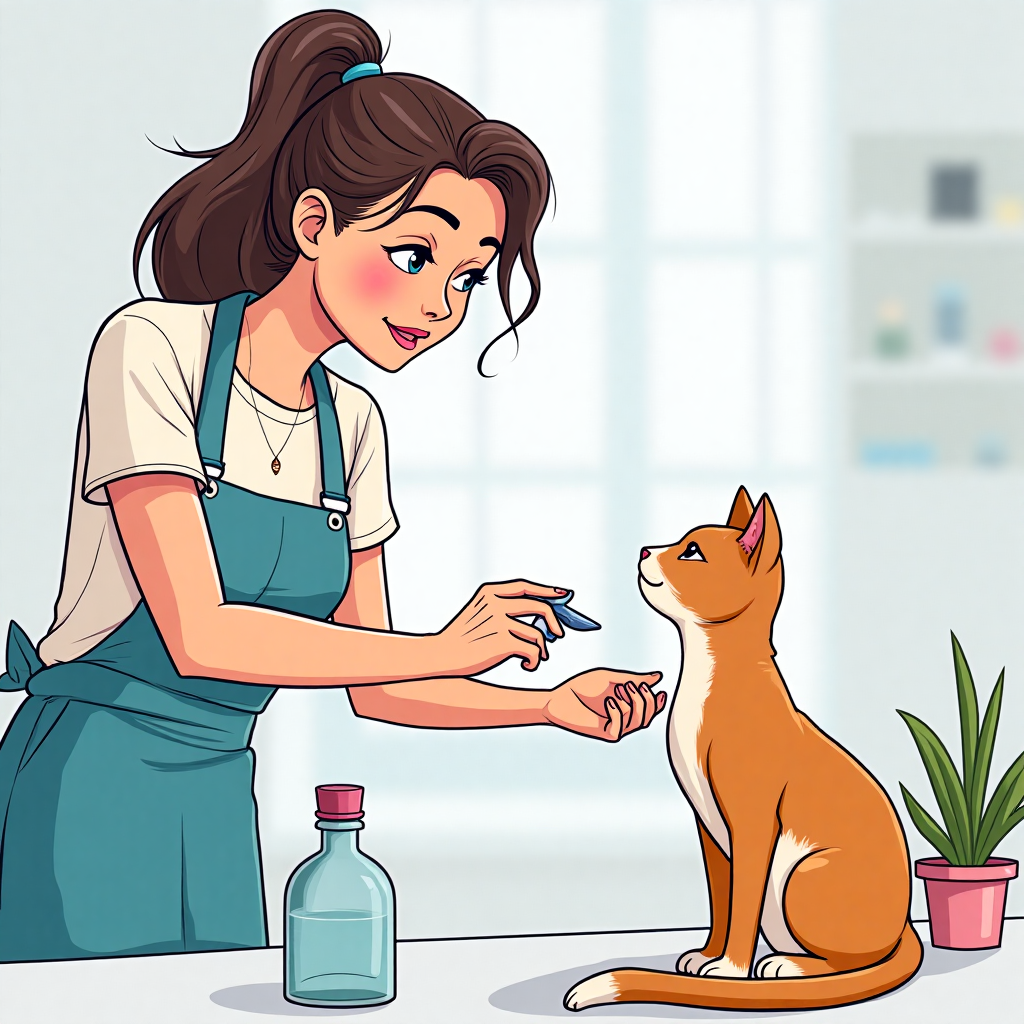
Many cat owners believe their feline friends are entirely self-sufficient when it comes to grooming. After all, who hasn’t watched their cat meticulously lick every inch of fur with that tiny, sandpaper-like tongue? While cats are indeed fastidious creatures with impressive self-grooming habits, this doesn’t mean they don’t need our help. Regular grooming sessions are crucial for maintaining your cat’s health, comfort, and overall well-being. Beyond just keeping their coat shiny, grooming provides a unique opportunity for bonding, allows for early detection of potential health issues like lumps, parasites, or skin problems, and helps manage common issues like hairballs.
Understanding your cat’s specific grooming needs is the first step. Factors like breed, coat length, age, and lifestyle significantly influence the frequency and type of care required. A sleek-haired Siamese will need far less brushing than a fluffy Persian. An elderly cat with arthritis might struggle to reach certain areas for grooming. An outdoor adventurer might bring home more dirt and debris than a pampered indoor companion. Recognizing these nuances ensures you tailor your approach effectively, preventing discomfort or stress for your feline friend.
Committing to a regular grooming routine isn’t just about aesthetics; it’s a fundamental aspect of responsible pet ownership. Neglecting grooming can lead to a cascade of problems, from painful mats and skin infections to excessive hairballs that cause digestive upset. By learning the proper techniques and investing a little time each week, you transform grooming from a chore into a positive, health-boosting ritual that strengthens the special bond you share with your cat.
Essential Tools for Cat Grooming Success
Before diving into the grooming process, it’s vital to assemble the right tools. Having appropriate equipment on hand makes the experience smoother, more effective, and less stressful for both you and your cat. Trying to use the wrong brush or dull clippers can cause discomfort and make your cat wary of future sessions.
Brushes and Combs
The cornerstone of any grooming kit is a selection of brushes and combs suited to your cat’s coat type. For short-haired cats, a rubber grooming mitt or a fine-bristled brush is often sufficient to remove loose hair and distribute skin oils. Long-haired breeds require more specialized tools:
- Slicker Brush: Excellent for removing loose hair and preventing mats in medium to long coats. Look for ones with fine, bent wires.
- Undercoat Rake: Essential for thick-coated cats (like Maine Coons or Norwegian Forest Cats) to remove the dense undercoat and prevent matting.
- Wide-Toothed Comb: Ideal for gently working through tangles in long fur before they become mats. Metal combs are generally more durable and glide easier.
- Fine-Toothed Comb: Useful for finishing touches around the face, ears, and tail on long-haired cats.
Nail Care Essentials
Regular nail trimming is crucial to prevent painful ingrown nails, damage to furniture, and accidental scratches. Invest in a pair of sharp, cat-specific nail clippers. Guillotine-style clippers or small scissor-style clippers designed for pets are popular choices. Avoid human nail clippers, as they can crush or split the nail. Having styptic powder (like Kwik Stop) nearby is also wise to quickly stop any minor bleeding if you accidentally cut the quick (the pink, sensitive part inside the nail).
Other Important Supplies
- Cat-Specific Shampoo: Never use human shampoo, as it can dry out their skin. Opt for a gentle, pH-balanced formula designed for cats.
- Soft Towels: For drying after a bath (if needed) or wiping paws.
- Cotton Balls/Pads: For cleaning ears and eyes.
- Cat-Safe Ear Cleaner: Only use solutions recommended by your vet.
- Toothbrush and Cat Toothpaste: Essential for dental care (never use human toothpaste).
- Treats: High-value rewards to positively reinforce good behavior during grooming.
A Step-by-Step Guide to Cat Grooming
Creating a calm, positive environment is key to a successful grooming session. Choose a quiet time when your cat is relaxed, perhaps after a meal or a play session when they’re naturally more mellow. Have all your tools within easy reach to avoid leaving your cat unattended. Start with short sessions (5-10 minutes) and gradually increase the duration as your cat becomes more comfortable. Always use gentle, reassuring strokes and speak softly. If your cat becomes agitated, stop and try again later.
Brushing: The Foundation of Grooming
Brushing is the most frequent grooming task. For most cats, aim for 2-3 times per week; long-haired cats often need daily brushing to prevent mats. Start by gently petting your cat to relax them. Begin brushing in the direction of hair growth, focusing on areas they can’t easily reach – back, shoulders, and base of the tail. Pay special attention to friction areas like under the arms (armpits), behind the ears, and the belly (if your cat allows it), as these are prone to matting. Use gentle strokes:
- Short-haired cats: Use a rubber brush or fine-bristle brush in smooth strokes.
- Long-haired cats: Start with the wide-toothed comb to gently detangle, then use the slicker brush to remove loose hair, and finish with the fine-toothed comb around delicate areas. Hold the base of the hair near the skin when combing tangles to minimize pulling.
Always reward your cat with praise and treats throughout and after the session.
Nail Trimming: Taming the Claws
Nail trimming frequency depends on your cat’s activity but generally every 2-4 weeks is sufficient. Wait until your cat is very relaxed – perhaps when they’re sleepy. Gently press the paw pad to extend the claws. Identify the quick (the pink part inside the nail containing nerves and blood vessels). Only trim the sharp, translucent tip of the nail, well clear of the quick. Cutting the quick is painful and will cause bleeding. Trim just the tip of each nail. If your cat is resistant, trim one or two nails at a time over several days. Use styptic powder immediately if you nick the quick.
Ear and Eye Care: Gentle Cleaning
Ears: Check ears weekly for wax buildup, dirt, or unusual odor (a sign of infection). Never insert anything deep into the ear canal. Moisten a cotton ball or pad with vet-approved ear cleaner. Gently wipe only the visible parts of the inner ear flap. If you notice significant wax, redness, swelling, or odor, consult your vet.
Eyes: Some breeds (like Persians) are prone to tear staining. Use a separate moistened cotton ball or pad for each eye, wiping gently from the inner corner outward. Use plain water or a saline solution recommended by your vet. Never use soap near the eyes.
Bathing (When Necessary)
Most cats rarely need baths due to their efficient self-grooming. Bathing is typically reserved for instances when they get into something sticky, dirty, or smelly, or if recommended by a vet for a skin condition. Prepare everything beforehand: fill a sink or tub with a few inches of lukewarm water, have shampoo and towels ready. Place a non-slip mat in the tub. Gently place your cat in the water, supporting their body. Wet the coat thoroughly (avoiding the face), apply shampoo, lather gently, then rinse *extremely* thoroughly until all soap residue is gone. Wrap your cat immediately in a towel and dry them in a warm, draft-free room. Never use a hairdryer, as the noise and heat can be terrifying and potentially burn their skin.
Dental Care: Often Overlooked, Vitally Important
Dental disease is a common and serious problem in cats. Introduce tooth brushing gradually. Start by letting your cat taste the cat-specific toothpaste (often flavored). Then, gently rub your finger along their gums. Progress to using a soft-bristled cat toothbrush or finger brush. Brush in small circles, focusing on the outer surfaces of the teeth. Aim for several times a week, ideally daily. Regular veterinary dental checkups are essential.
Addressing Common Challenges: Mats, Tangles, and Resistance
Mats are dense clumps of dead fur that form close to the skin, particularly in long-haired cats or during shedding seasons. They can be painful, pulling on the skin, restricting movement, and causing skin irritation or infection underneath. Never try to cut out a mat with scissors, as it’s easy to accidentally cut the skin. For small, surface-level mats, you can sometimes gently tease them apart with your fingers or a wide-toothed comb, working from the outside edge inward. Hold the base of the fur to minimize pulling the skin. For larger, tighter mats close to the skin, the safest approach is often to have them professionally removed by a groomer or veterinarian. They may use specialized clippers to shave the mat off safely without risking injury.
Dealing with a cat who resists grooming requires patience and strategy. Forcing the issue will only create fear and make future sessions harder. Start young if possible, so kittens become accustomed to handling. Associate grooming with positive experiences – offer high-value treats *during* and immediately after the session. Break grooming down into very short, manageable segments. If brushing is stressful, do just one stroke, then give a treat, and stop. Gradually build up. Use calming aids like Feliway diffusers (synthetic feline pheromones) in the grooming area. Identify what specifically your cat dislikes (e.g., the sound of the clippers, being restrained) and work on desensitizing them to that trigger slowly and positively. If anxiety is severe, consult your vet or a professional behaviorist.
Knowing When to Call in the Professionals
While home grooming is essential, there are times when seeking professional help is the best choice. A professional groomer is invaluable for:
- Severe Matting: Safely removing extensive mats without injuring the cat.
- Difficult Cats: Groomers are experienced in handling anxious or aggressive cats safely and efficiently.
- Specific Breed Cuts: Some long-haired breeds benefit from specific styles (like a “sanitary trim” around the rear).
- Lion Cuts: A full-body shave sometimes recommended for cats with chronic matting issues (though controversial, as it removes their natural insulation).
Always choose a groomer experienced with cats, as their needs and temperaments differ significantly from dogs. Mobile groomers or cat-only salons can offer a less stressful environment.
Furthermore, your veterinarian is a crucial partner in your cat’s grooming health. Schedule regular checkups. Discuss any skin issues, excessive shedding, bald patches, lumps, bumps, or changes in grooming behavior you observe. Your vet can diagnose underlying medical problems (like allergies, parasites, or hormonal imbalances) that might manifest through skin and coat changes. They can also provide guidance on specific products and techniques suitable for your cat’s individual health needs.
Conclusion: Grooming as an Act of Love
Grooming your cat is far more than just a cosmetic chore. It’s a fundamental aspect of their healthcare routine, directly impacting their physical comfort, skin health, and ability to regulate body temperature. Regular brushing prevents painful mats, reduces hairballs that cause digestive distress, and distributes natural oils for a healthier coat. Nail trims protect your furniture and your skin, and prevent painful ingrown claws. Ear and eye checks allow for early detection of infections. Dental care combats periodontal disease, which can lead to systemic health issues.
Beyond the physical benefits, grooming fosters a profound emotional connection. These sessions provide dedicated one-on-one time, building trust and strengthening your bond. The gentle touch and focused attention are inherently reassuring for your cat. Over time, a positive grooming routine becomes a shared ritual, a quiet moment of mutual care and affection in your busy lives.
Approach grooming with patience, gentleness, and the right tools. Understand your cat’s individual needs and temperament. Celebrate small successes, and don’t be discouraged by setbacks. By investing time in learning how to groom your cat effectively and making it a positive experience, you are providing an essential component of their overall well-being and happiness, ensuring they feel comfortable, loved, and cared for throughout their life.