Blog

  • Beyond the Kitchen Table: A Comprehensive Guide to Dynamic Homeschool Co-op Ideas

    Beyond the Kitchen Table: A Comprehensive Guide to Dynamic Homeschool Co-op Ideas

    Beyond the Kitchen Table: A Comprehensive Guide to Dynamic Homeschool Co-op Ideas

    For a decade, I’ve watched the homeschooling landscape evolve, and one element remains a consistent cornerstone of success: the cooperative, or co-op. Far more than just a weekly playdate, a well-run co-op is a powerhouse of shared resources, collective expertise, and vital community. It’s the village raising the child, in action. But how do you move beyond the basics to create a co-op experience that is vibrant, sustainable, and deeply enriching for every family involved? The answer lies in innovative structure and creative collaboration. Whether you’re a seasoned co-op coordinator or a family just starting to explore the possibilities, this guide is packed with actionable ideas to energize your homeschool journey.

    Rethinking the Co-op Model: From Structure to Specialization

    The traditional weekly co-op, where families meet for a full day of classes split by age, is a fantastic model, but it’s not the only one. Flexibility is key to meeting diverse needs. Consider these structural variations to find the perfect fit for your group.

    1. The Micro-Co-op or Pod

    Ideal for families seeking deep, focused relationships, a pod consists of 3-5 families with children of similar ages. The focus is often on core academic supplementation or project-based learning. One parent with a strength in mathematics might teach that subject, while another leads a literature seminar. This model offers maximum flexibility in scheduling and curriculum alignment, allowing for in-depth discussion and field trips tailored to the group’s current studies.

    2. The Special Interest Club

    Instead of trying to cover all subjects, build a co-op around a shared passion. This could be a STEM Club that meets monthly for robotics challenges, chemistry labs, or coding workshops. A History Guild could dive into immersive historical reenactments, artifact studies, or debate societies. A Young Entrepreneurs Co-op could teach business fundamentals, culminating in a market day. This model leverages specific parent expertise and caters to students’ keen interests, often leading to higher engagement.

    3. The Skill-Share Collective

    This model operates on a true barter system. It focuses less on formal academics and more on life skills and arts. Families offer workshops in their areas of proficiency. Schedule could be a rotating Saturday workshop series featuring sessions like:

    • Introductory Carpentry & Tool Safety
    • Basic Auto Maintenance (checking oil, changing a tire)
    • Gardening and Composting
    • Financial Literacy for Teens
    • Photography and Digital Editing
    • First Aid & CPR Certification

    This model brilliantly pools community resources and equips students with practical knowledge rarely found in standard textbooks.

    Creative Class & Activity Ideas to Ignite Learning

    Once you’ve settled on a structure, the real fun begins: planning the content. Move beyond standard subject divisions to create interdisciplinary, hands-on experiences that students will remember.

    Elementary & Middle School Sparks

    For younger learners, focus on exploration and sensory engagement.

    • Literary Feasts: Read a book like “Stone Soup” or “Charlie and the Chocolate Factory” and have each child contribute to cooking a related meal together, practicing math (measurement), reading (recipes), and teamwork.
    • Living History Days: Choose an era—Medieval Times, Colonial America, the Pioneer West. Kids research, create costumes, prepare period-appropriate food, learn a relevant craft (illuminated letters, candle dipping), and present their “character” to the group.
    • Backyard Science Expeditions: Transform into ecologists for a day. Equip kids with journals, magnifying glasses, and insect jars. Map the local flora and fauna, collect (and later release) specimens, and learn about local ecosystems. A parent with science knowledge can guide taxonomy and discussions on food webs.

    High School & College-Prep Hubs

    Older students benefit from co-ops that offer sophistication, academic rigor, and real-world preparation.

    • Mock Trial & Debate Team: This is a powerhouse for teaching critical thinking, research, and public speaking. Partner with a local attorney or debate coach to structure the program. The culminating event can be a trial or debate judged by community professionals.
    • Interdisciplinary Seminar Series: Tackle big themes like “The Ethics of Technology,” “Environmental Stewardship,” or “Social Justice in Literature.” Each week, a different parent or guest expert leads a Socratic-style discussion, blending history, philosophy, science, and art. Students complete culminating projects like research papers, documentaries, or community action plans.
    • Career Incubator: Invite parents and community members from various professions (engineers, journalists, nurses, small business owners) for monthly “Career Spotlight” talks and Q&As. Pair this with workshops on resume writing, LinkedIn profiles, and interview skills.

    Building a Sustainable and Thriving Co-op Community

    A co-op is more than its class list; it’s an organism that requires care, clear communication, and shared vision to thrive. Here are the pillars of a successful co-op, forged from a decade of observation.

    Establish Clear Guidelines from Day One. Create a simple but explicit co-op agreement. This should cover: participation expectations (teaching/helper roles, cleanup duties), a code of conduct for students and adults, a sickness policy, and financial responsibilities (if any for supplies or venue fees). Putting this in writing prevents misunderstandings and ensures everyone is on the same page.

    Embrace Distributed Leadership. Avoid burnout by spreading responsibility. Have a point person for scheduling, another for communications, another for field trip coordination, and another for managing shared supplies. Rotate these roles annually. Utilize digital tools like shared calendars, group messaging apps (with clear rules for usage), and cloud storage for lesson plans and resources.

    Prioritize Connection. The social-emotional support is a primary benefit. Schedule time for it. Begin each meeting with a brief social period for parents and kids. Plan occasional parent-only meet-ups or family potlucks. Celebrate achievements together—a science fair, a poetry recital, the end of a successful semester. This builds the trust and camaraderie that makes the co-op resilient through inevitable challenges.

    The Heart of the Homeschool Village

    Ultimately, the most powerful “idea” for a homeschool co-op is the intention behind it. It’s not about replicating a school building, but about creating a unique learning ecosystem that leverages the collective strengths of your community. It’s in the messy, joyful collaboration of a group science project, the spirited debate in a living room seminar, and the patient coaching of a teen by a mentor who isn’t their parent. By thoughtfully structuring your group, infusing it with creative and rigorous offerings, and nurturing the community itself, you build more than just a supplement to your homeschool. You build a vibrant, supportive village that empowers not just the students, but every family on the journey. The best co-op idea is the one that fits your community’s unique needs and grows with you, transforming the solitary path of homeschooling into a rich, shared adventure.


  • Building a World of Wonder: The Ultimate Guide to Secular Homeschool Resources

    Building a World of Wonder: The Ultimate Guide to Secular Homeschool Resources

    Embarking on a homeschooling journey is a profound act of educational tailoring. For families who choose a secular path, the goal often extends beyond academics; it’s about fostering critical thinking, scientific literacy, and a worldview based on evidence and humanistic values, free from religious doctrine. The quest for high-quality, secular homeschool resources can feel daunting in a market saturated with faith-based materials. Fear not. A vibrant, rich ecosystem of purely secular resources exists, waiting to empower your child’s learning adventure. This guide, curated from a decade of educational exploration and writing, will serve as your roadmap to discovering the best tools, curricula, and communities for building a robust and inspiring secular homeschool.

    What Defines a “Secular” Homeschool Resource?

    Before diving into the treasure trove of materials, it’s crucial to establish a clear understanding. A truly secular homeschool resource is one that is completely neutral regarding religion. It does not present religious beliefs as fact, originate from a religious publishing house with embedded doctrine, or rely on religious texts (like the Bible) as primary sources for subjects like history or science. Instead, secular resources are grounded in evidence-based scholarship, the scientific method, and human-centric values such as empathy, reason, and ethics. They present the diversity of human belief systems as a subject of study in social sciences, not as a prescribed truth. Distinguishing these from “neutral” or “non-religious” resources, which might simply omit religion, is key; secular resources actively engage with the world through a lens of academic inquiry and critical analysis.

    Spotting the Difference: Secular vs. “Neutral”

    Many popular resources, especially in history, can be subtle. A curriculum might appear neutral but frame historical events with a specific religious perspective or present ancient myths and religious texts without the critical context that they are beliefs held by people. A secular resource, in contrast, would present those same beliefs as part of a cultural and anthropological study. When evaluating, scrutinize the publisher’s mission statement, the author’s background, and sample lessons, particularly for subjects like world history, biology (especially origins of life), and social studies.

    The Core Pillars: Secular Curricula for Every Subject

    Building a strong academic foundation requires reliable core curricula. Thankfully, several publishers have risen to meet the demand for rigorous, engaging, and completely secular programs.

    Math & Science: Evidence-Based Exploration

    For math, programs like Beast Academy (for younger students) and Art of Problem Solving (for older students) are gold standards. They focus on deep conceptual understanding, logical reasoning, and creative problem-solving in a fun, story-driven format. For a more traditional spiral approach, Math Mammoth offers superb, self-directed worktexts.

    In science, resources that unequivocally support the teaching of evolution, climate science, and the scientific method are paramount. Building Foundations of Scientific Understanding (BFSU) by Bernard Nebel is a masterful, concept-driven K-8 program. For open-and-go excellence, Real Science Odyssey from Pandia Press provides hands-on, student-friendly lessons. At the high school level, CK-12 online textbooks and resources are phenomenal, free, and completely adaptable.

    Language Arts & History: Critical Thinking and Multiple Perspectives

    Secular language arts goes beyond grammar; it cultivates analytical reading and clear communication. Brave Writer is a revolutionary approach that partners literature with the “writing process,” fostering a love of language. For comprehensive grammar and writing, Michael Clay Thompson (MCT) Language Arts is a sophisticated, integrated program that treats English as a worthy subject of study in itself.

    History is where secular resources truly shine by presenting a multifaceted view of human events. History Odyssey from Pandia Press (aligned with the classical model but secular) and The Story of the World (when used critically with secular supplements) are popular. For a more inquiry-based, project-driven approach, Blossom and Root and Torchlight offer secular, literature-rich history and social studies guides that center diverse voices and critical analysis.

    Beyond the Textbook: Enriching Your Secular Homeschool

    A rich education lives beyond packaged curricula. These supplemental resources and experiences are what make learning come alive and connect to the real world.

    • Museums & Virtual Tours: Utilize the websites of institutions like the Smithsonian, the American Museum of Natural History, and NASA. They offer vast archives of lesson plans, virtual exhibits, and primary source documents.
    • Literature & Book Lists: Build your history and science studies around award-winning non-fiction and inclusive, representative fiction. Seek out book lists from secular homeschool bloggers and organizations like the National Center for Science Education.
    • Hands-On Kits & Subscriptions: KiwiCo, MEL Science, and Groovy Lab in a Box deliver secular, STEM-focused projects. For history and art, look to companies like Athena’s Advanced Academy or History Unboxed.
    • Documentaries & Podcasts: Platforms like CuriosityStream, PBS, and BBC Earth offer breathtaking, fact-based documentaries. Podcasts like Brains On! (science), The Past and The Curious (history), and Wow in the World (news/science) are fantastic for learning on the go.

    The Power of Community: Finding Your Tribe

    One of the most vital “resources” is connection. Secular homeschooling can feel isolating without a supportive community. Seek out local secular homeschool co-ops and groups via Facebook or websites like Secular, Eclectic, Academic (SEA) Homeschoolers. Online communities, such as the SEA Homeschoolers Facebook group, provide daily support, curriculum advice, and a safe space to ask questions without religious framing.

    Designing Your Approach: Eclectic, Unschooling, and More

    The beauty of secular homeschooling is that it fits perfectly within any educational philosophy you choose, as long as that philosophy is driven by learner-centric, evidence-based principles.

    • The Eclectic Approach: This is the most common method, where you mix and match resources from various secular publishers to create a custom-fit education. You might use Beast Academy for math, Real Science Odyssey for biology, and build your own history unit using library books and documentaries.
    • Secular Unschooling/Worldschooling: For families embracing interest-led learning, resources become tools to facilitate exploration. Your “curriculum” is the world itself, supported by museums, nature centers, documentaries, mentors, and a plethora of library books. The key is having a robust network of secular resources to pull from when your child’s interest sparks.
    • Project-Based & Unit Studies: Many secular providers create deep-dive unit studies. Companies like Woke Homeschooling or Blossom and Root offer thematic units that integrate science, history, art, and language arts around a central, engaging topic, like “Oceans” or “The History of Flight.”

    Navigating Challenges and Looking Forward

    The path isn’t without its hurdles. Secular resources can sometimes be more expensive due to smaller print runs, and finding truly secular materials for high school sciences and advanced humanities requires diligent research. The solution often lies in community recommendations and a willingness to piece together resources from university extensions, MOOCs (Massive Open Online Courses) from platforms like Coursera or edX, and dual-enrollment programs at local colleges.

    Furthermore, the secular homeschool movement is growing stronger every year. New publishers are emerging, driven by homeschool alumni and educators passionate about providing quality secular options. The future is one of increasing choice, sophistication, and accessibility, with digital platforms and open educational resources (OER) leading the charge.

    Conclusion: Crafting a Legacy of Inquiry

    Choosing a secular homeschool path is a commitment to raising a generation of critical thinkers, compassionate global citizens, and lifelong learners. The resources outlined here are more than just books and websites; they are the building blocks for a home education environment where questions are celebrated, evidence is examined, and understanding of the natural world and human experience is built on a foundation of reason and wonder. Your journey will be unique, a tapestry woven from the curricula that fit your child’s mind, the community that supports your family, and the daily discoveries that make learning an adventure. With this guide in hand, you are exceptionally well-equipped to build that world of wonder, one secular resource at a time.

  • The Unschooling Method: A Guide to Child-Centered Learning

    The Unschooling Method: A Guide to Child-Centered Learning

    Unschooling is a revolutionary approach to education that challenges traditional methods and places the child’s interests, curiosity, and natural learning process at the forefront. Unlike conventional schooling, which follows a rigid curriculum and structure, unschooling encourages children to explore the world at their own pace, guided by their passions and questions. This method has gained popularity among parents who seek a more personalized and flexible way to educate their children, often emphasizing real-life experiences and self-directed learning. In this article, we will delve into the unschooling method, its principles, benefits, and challenges, as well as provide insights into how you can implement it effectively in your family’s life.

    What is the Unschooling Method?

    Unschooling, also known as child-led learning, is an educational philosophy that prioritizes the child’s freedom to learn naturally through their own experiences and interests. It is rooted in the belief that children are inherently curious and motivated to learn when they are given the autonomy to choose what and how they learn. Instead of following a set curriculum, unschooling allows children to explore subjects that captivate their attention, whether it’s through reading, playing, experimenting, or engaging in real-world activities.

    The term “unschooling” was popularized by educator John Holt in the 1960s and 1970s. Holt argued that traditional schooling often stifles children’s natural curiosity and love for learning by imposing arbitrary rules and schedules. He believed that learning is most effective when it is organic, relevant, and driven by the child’s own desires. Unschooling, therefore, is not about “un-teaching” or neglecting education but about creating an environment where learning can happen naturally and spontaneously.

    One of the key tenets of unschooling is that learning is a lifelong process, not confined to the walls of a classroom or the pages of a textbook. This method encourages parents to view the world as a classroom, where everyday experiences—from cooking meals to exploring nature—can be rich opportunities for learning. By allowing children to take the lead in their education, unschooling aims to foster independence, critical thinking, and a deep love for learning that lasts a lifetime.

    Principles of the Unschooling Method

    Unschooling is built on several core principles that guide its practice:

    • Freedom: Children are free to explore their interests without the constraints of a predetermined curriculum. This freedom allows them to develop at their own pace and in their own way.
    • Curiosity: The method relies heavily on the child’s natural curiosity. Parents act as facilitators, helping children find resources and opportunities to delve deeper into subjects that excite them.
    • Real-Life Learning: Unschooling emphasizes learning through real-life experiences rather than abstract concepts. This approach makes education more tangible and relevant to the child’s daily life.
    • Trust: Trusting the child’s ability to learn and grow is central to unschooling. Parents must have confidence in their child’s innate drive to seek knowledge and skills.
    • Responsibility: Children are encouraged to take responsibility for their own learning, which helps them develop self-discipline and a sense of ownership over their education.

    These principles create a foundation for a learning environment that is both nurturing and empowering. By focusing on the child’s individual needs and interests, unschooling aims to cultivate a well-rounded, self-motivated learner who is equipped to navigate the complexities of the real world.

    Benefits of the Unschooling Method

    Proponents of unschooling argue that this method offers numerous advantages over traditional schooling. One of the most significant benefits is that it fosters a love for learning. When children are allowed to pursue topics that genuinely interest them, they are more likely to become deeply engaged and retain information. This passion for learning often translates into a lifelong curiosity and a proactive approach to acquiring new skills and knowledge.

    Another advantage of unschooling is that it promotes independence and self-direction. By giving children the freedom to choose their own learning paths, parents help them develop the ability to think critically and solve problems on their own. This sense of autonomy can lead to greater confidence and resilience as children grow older, equipping them to tackle challenges with a sense of purpose and determination.

    Unschooling also encourages creativity and innovation. Without the constraints of a standardized curriculum, children are free to explore unconventional ideas and think outside the box. This creative freedom can lead to unique insights and a deeper understanding of the world, as children are not limited by pre-established frameworks or expectations.

    Challenges of the Unschooling Method

    While unschooling offers many benefits, it is not without its challenges. One of the primary concerns for parents is the fear that their child may miss out on essential skills or knowledge. Without a structured curriculum, it can be difficult to ensure that children are exposed to a broad range of subjects. However, many unschooling families address this by actively seeking out diverse learning opportunities and engaging in discussions about what their child is learning.

    Another challenge is the lack of external validation. Unlike traditional schooling, which provides clear benchmarks for success, unschooling can feel ambiguous. Parents may struggle with measuring progress or determining whether their child is “keeping up” with peers. This requires a shift in mindset, as unschooling prioritizes quality of learning over quantity or standardized outcomes.

    Socialization is another area that often raises questions. Critics argue that unschooled children may lack opportunities to interact with peers in a structured setting, potentially hindering their social development. However, unschooling families often find creative ways to ensure socialization, such as participating in community activities, joining clubs, or engaging in group projects with other unschooling children.

    Implementing the Unschooling Method

    Implementing the unschooling method requires careful planning and a willingness to adapt. Here are some practical steps to help you get started:

    1. Observe and Follow Your Child’s Interests

    The first step in unschooling is to observe your child and identify their natural interests and passions. Spend time engaging in conversations with them, asking questions about what they enjoy and what they want to learn. Pay attention to the topics they return to repeatedly or the activities that capture their attention for extended periods. These are often indicators of areas where they are naturally inclined to learn.

    Once you’ve identified your child’s interests, you can begin to provide resources and opportunities that align with those interests. For example, if your child is fascinated by dinosaurs, you might take them to a natural history museum, provide books on the subject, or even plan a trip to a fossil dig site. The goal is to create a rich, stimulating environment that supports their curiosity and allows them to explore their interests deeply.

    2. Create a Learning-Friendly Environment

    Unschooling thrives in an environment that is conducive to learning. This means having access to a wide range of materials, from books and art supplies to scientific tools and outdoor gear. A well-stocked home library, for instance, can be a invaluable resource for children who love to read and explore new topics.

    Additionally, it’s important to foster a sense of wonder and exploration in your child. Encourage them to ask questions, experiment, and take risks. Provide opportunities for hands-on learning, such as cooking, gardening, or building projects, which allow children to apply their knowledge in practical ways. These experiences not only reinforce learning but also help children develop a deeper appreciation for the world around them.

    3. Trust the Process

    One of the most challenging aspects of unschooling is trusting the process. It can be tempting to compare your child’s progress to that of traditionally schooled peers or to feel the need to “cover” specific subjects at certain ages. However, unschooling requires patience and faith in the child’s natural learning abilities.

    Trust that your child will learn what they need to know when they need to know it. This may mean that they learn to read at a later age than their peers or that they delve deeply into a subject that seems unconventional. The key is to remain flexible and open to the possibilities of learning, even when they don’t fit into a traditional timeline or framework.

    4. Be an Active Participant in Your Child’s Learning

    While unschooling emphasizes child-led learning, parents still play a crucial role in guiding and supporting their child’s education. This means being an active participant in their learning journey, rather than a passive observer. You can do this by engaging in discussions, asking thought-provoking questions, and providing resources and opportunities that align with their interests.

    It’s also important to model a love for learning yourself. Children are naturally inclined to mimic the behaviors of their parents, so if you demonstrate a curiosity and enthusiasm for learning, your child is more likely to adopt those traits. Whether it’s learning a new hobby, taking up a course, or simply reading for pleasure, your own actions can inspire your child to embrace lifelong learning.

    5. Track Progress and Address Gaps

    While unschooling is often seen as a free-form approach, it’s still important to track your child’s progress and ensure that they are developing essential skills. This can be done through informal assessments, such as observing their ability to read, write, and perform basic math, as well as through more structured evaluations, such as portfolio reviews or standardized tests.

    If you notice gaps in your child’s knowledge or skills, don’t be afraid to address them. This might involve introducing new materials or activities that encourage them to explore areas they haven’t yet touched on. The key is to do this in a way that feels natural and organic, rather than forcing them into a structured learning environment.

    Conclusion

    The unschooling method is a powerful alternative to traditional education that prioritizes the child’s natural curiosity, interests, and learning pace. By creating a flexible, child-centered environment, parents can help their children develop a deep love for learning, independence, and creativity. While there are challenges to unschooling, such as ensuring a broad education and addressing socialization concerns, these can be overcome with careful planning, trust, and a willingness to adapt.

    If you’re considering unschooling for your family, take the time to research and reflect on whether this method aligns with your values and goals. Observe your child’s interests and passions, and create opportunities for them to explore those interests deeply. Above all, trust your child’s ability to learn and grow, and be prepared to embrace the joys and challenges of this unique educational journey. With patience, creativity, and a commitment to learning, unschooling can be a fulfilling and enriching experience for both you and your child.

  • The Ultimate Guide to Homeschool Curriculum Reviews: What You Need to Know Before You Decide

    The Ultimate Guide to Homeschool Curriculum Reviews: What You Need to Know Before You Decide

    When it comes to homeschooling, one of the most critical decisions you’ll make is choosing the right curriculum for your family. With so many options available—whether they’re traditional, online, or a mix of both—it can be overwhelming to determine which one will best suit your child’s learning style and your teaching philosophy. That’s where homeschool curriculum reviews come into play. They provide valuable insights, helping you navigate the vast landscape of educational materials and programs. In this comprehensive guide, we’ll explore the importance of curriculum reviews, what factors to consider when evaluating them, and highlight some of the top curricula based on parent and student feedback.

    The Importance of Homeschool Curriculum Reviews

    Homeschool curriculum reviews are essential tools for parents who are new to homeschooling or even those with experience. These reviews offer a glimpse into how a curriculum performs in real-world settings, giving you an idea of its strengths and weaknesses. For instance, a curriculum that’s highly praised for its engaging content might not align with your child’s learning style if it’s too rigid or lacks flexibility. Reviews can also help you avoid potential pitfalls, such as overpriced materials or programs that don’t deliver on their promises.

    Moreover, curriculum reviews often provide firsthand accounts from other homeschooling families. This can be incredibly helpful, as it allows you to see how different teaching methods work in practice. For example, some curricula are designed for independent learners, while others require more hands-on parental involvement. By reading reviews, you can get a sense of whether a particular program will fit seamlessly into your daily routine or if it might cause unnecessary stress.

    Additionally, reviews can highlight the effectiveness of a curriculum in terms of academic outcomes. Many homeschooling parents share their children’s progress, test scores, and overall satisfaction with the program. This information is invaluable, as it gives you a clear picture of what to expect in terms of educational quality and results.

    What to Look For in a Homeschool Curriculum Review

    When evaluating homeschool curriculum reviews, there are several key factors to consider. First and foremost, pay attention to the structure of the curriculum. Does it follow a logical progression? Is it organized in a way that’s easy to follow for both you and your child? A well-structured curriculum can make a world of difference in how smoothly your homeschooling experience goes.

    Another important aspect is the teaching style. Some curricula are lecture-based, while others emphasize hands-on activities, group work, or self-directed learning. It’s crucial to choose a program that aligns with how your child learns best. For example, if your child is a visual learner, a curriculum with lots of videos, diagrams, and interactive elements might be more effective than one that relies solely on textbooks.

    Finally, don’t overlook the support resources available. A good curriculum should come with ample teacher guides, answer keys, and supplementary materials. Some programs even offer online forums, community support, or live tutoring sessions, which can be incredibly helpful for parents who are teaching subjects they’re not entirely confident in.

    Top Homeschool Curricula Based on Reviews

    Over the years, certain homeschool curricula have consistently received high praise from parents and students alike. Here’s a breakdown of some of the most popular options, along with their pros and cons:

    1. Classical Education Approach: The Well-Trained Mind

    The Well-Trained Mind curriculum is a favorite among parents who follow the classical education model. This approach emphasizes the trivium—grammar, logic, and rhetoric—providing a structured, knowledge-rich education. The curriculum is known for its rigorous content and comprehensive coverage of subjects like history, science, and literature.

    • Pros:
      • Encourages critical thinking and deep understanding of subjects.
      • Rich in classical literature and historical studies.
      • Offers a clear progression from elementary to high school.
    • Cons:
      • May require significant prep time from parents.
      • Can be overwhelming for students who prefer a more relaxed approach.

    2. Charlotte Mason Approach: Simply Charlotte Mason

    For parents who value a gentle, nature-based approach to learning, Simply Charlotte Mason is a top contender. This curriculum draws inspiration from the Charlotte Mason educational philosophy, emphasizing living books, hands-on activities, and a focus on character development. It’s perfect for families who enjoy a relaxed homeschooling environment and prioritize creativity and exploration.

    • Pros:
      • Encourages a love for learning through engaging, living books.
      • Focuses on hands-on activities and outdoor exploration.
      • Flexible and adaptable to different learning styles.
    • Cons:
      • May lack in-depth coverage of certain subjects.
      • Requires careful planning to ensure comprehensive coverage.

    3. Online Learning: Time4Learning

    Time4Learning is a popular choice for families who prefer an online homeschooling experience. This program offers interactive lessons, animated activities, and automated grading, making it a convenient option for busy parents. It’s designed for students from preschool through high school and covers a wide range of subjects.

    • Pros:
      • Interactive and engaging lessons for students.
      • Automated grading saves time for parents.
      • Flexible pacing allows students to move at their own speed.
    • Cons:
      • Some parents find it too screen-heavy.
      • Can be costly for families with multiple children.

    Conclusion

    Choosing the right homeschool curriculum is a deeply personal decision, and what works for one family may not work for another. That’s why curriculum reviews are such a valuable resource—they provide a wealth of information and perspectives to help you make an informed choice. By considering factors like structure, teaching style, and support resources, you can find a program that aligns with your goals and your child’s unique needs.

    Remember, the best curriculum is one that fosters a love for learning and provides a solid foundation for your child’s education. Take the time to research, read reviews, and even trial a few programs before committing. Your child’s education is worth the effort, and with the right curriculum, you can create a homeschooling experience that’s both enriching and enjoyable for everyone involved.

  • Find Peace in the Calm: How to Calm an Anxious Cat

    Find Peace in the Calm: How to Calm an Anxious Cat

    Dealing with an overly anxious cat can be challenging, but it’s not impossible. Cats, like humans, experience anxiety for various reasons, and with the right approach, you can help your feline companion find calm and peace. This article will guide you through understanding the signs of anxiety, effective calming techniques, and practical steps to create a safer, more comfortable environment for your cat.

    Understanding Feline Anxiety

    Identifying the Signs of Anxiety

    Before taking any steps to calm your cat, it’s important to recognize the signs of anxiety. Common indicators include:

    • A cat that seems overly vocal, such as barking, whining, or vocalizing excessively.
    • A cat that avoids certain areas of the home, like stairs, doors, or specific rooms.
    • A cat that exhibits excessive grooming, clawing, or destructiveness.
    • A cat that shows signs of separation anxiety, such as clinginess or separation phobias.
    • A cat that is overly stressed during routine activities, like grooming sessions or playtime.

    When you notice these signs, it’s a good indication that your cat may be experiencing anxiety. It’s important to address the issue promptly to prevent it from becoming more severe.

    Calming Techniques for an Anxious Cat

    Creating a Relaxing Environment

    Environmental Modifications

    While no cat is completely immune to anxiety, small environmental changes can make a significant difference. Consider the following modifications to create a more calming atmosphere for your cat:

    • Ensure your cat’s living space is clean, comfortable, and free from clutter. A clutter-free environment can reduce stress and make it easier for your cat to relax.
    • Use calming scents, such as pheromone diffusers, to create a soothing atmosphere. Avoid strong odors that might trigger anxiety.
    • Consider using cat trees or scratching posts to provide stimulating activities that help reduce anxiety.
    • Place your cat’s feeding and grooming stations in a quiet area of the home, away from potential sources of stress.

    Pheromone Diffusers for Anxiety Relief

    Medical grade pheromones can help reduce stress and anxiety in cats

    Some people turn to natural remedies when seeking relief from feline anxiety. Pheromone diffusers, which release scents that mimic pheromones produced by cats, can be an effective solution. These scents help create a sense of calm and safety for your cat. Be sure to use high-quality, pet-specific pheromone diffusers designed for cats.

    Calming Toys and Treats

    Engaging toys can provide mental stimulation and reduce anxiety

    Cats are naturally curious creatures, and providing them with engaging toys can help reduce anxiety by giving them something to focus on. Some excellent options include:

    • High toys like feather wands or tumbling mice that encourage climbing and chasing.
    • Chew toys, such as dental chews or rubber toys, that provide mental and physical stimulation.
    • Treat dispensers that require your cat to interact with them, like puzzle feeders or textured feeders.

    Regularly changing and cleaning toys can also help maintain their appeal and reduce the chance of them becoming worn out or destructive.

    Physical and Environmental Adjustments

    Regular Exercise and Playtime

    Physical activity is crucial for maintaining a cat’s mental health

    Like humans, cats thrive on physical activity. Providing your cat with regular exercise and playtime can help reduce anxiety by keeping them occupied and engaged. Engage your cat in activities such as:

    • Playtime with toys like mice, feather wands, or laser pointers.
    • Climbing activities with cat trees or ladders.
    • Daily grooming sessions to keep their coat healthy and reduce stress.
    • Feeding times, as this is a natural activity for cats and helps them feel secure.

    Environmental Modifications for Severe Anxiety

    Severe anxiety may require more significant environmental changes

    If your cat’s anxiety is severe, consider making more substantial modifications to their environment. This may include:

    • Creating multiple safe zones within the home, such as a cozy corner or a quiet nook, where your cat can retreat during stressful times.
    • Installing shelves or platforms that provide a sense of security and stability.
    • Using calming colors and patterns in their environment to reduce visual stress.

    When to Seek Veterinary Care

    Severe anxiety may require professional intervention

    If your cat’s anxiety persists despite your best efforts to create a calming environment and engage them in play, it may be time to seek veterinary care. Cats can experience a wide range of anxiety-related conditions, including:

    • Separation anxiety
    • Phobias
    • Stress-related illnesses
    • Medical conditions that manifest as anxiety

    Consult your veterinarian to determine the root cause of your cat’s anxiety and to receive tailored treatment options.

    Conclusion

    Calming an anxious cat is achievable through understanding, patience, and thoughtful intervention

    Dealing with an anxious cat can be challenging, but with the right approach, you can help your feline companion find peace and calm. By identifying the signs of anxiety, creating a soothing environment, engaging your cat in stimulating activities, and seeking professional help when necessary, you can create a bond of trust and comfort for both you and your cat. Remember, patience and understanding are key to helping your cat thrive in a peaceful and anxiety-free world.

    By taking the steps outlined in this article, you can make a meaningful difference in your cat’s quality of life and help them lead a happier, more fulfilling life.

  • Essential Kitten Care Tips for New Parents

    Essential Kitten Care Tips for New Parents

    Introduction to Kitten Care

    When you bring a newborn kitten into your home, it’s a magical experience filled with love and wonder. However, caring for a kitten is not just about giving it a cozy nest and fresh food. It requires careful attention, patience, and a deep understanding of kitten care essentials. Kittens are curious creatures who need specific care to grow healthy and happy. This guide will provide you with all the crucial information you need to become a confident kitten parent.

    Feeding Your Kitten

    What to Feed Your Kitten

    Proper kitten nutrition is crucial for their physical and emotional development. Newborn kittens require a high-calorie diet rich in proteins, vitamins, and minerals to meet their growing energy demands. Formula feeders are the best option, as they are specifically designed for kittens. Good quality kitten food is available in both liquid and solid forms, depending on your kitten’s stage of development.

    When to Change Kitten Food

    As your kitten grows, you will need to gradually transition their food to adult cat food. This process ensures that they receive the appropriate nutrients as they reach maturity. It’s important to monitor your kitten’s health and adjust their diet as needed. Feeding guidelines for kittens can usually be found on the pet food company’s website or by consulting a trusted pet expert.

    Grooming Your Kitten

    Why Grooming is Essential

    Grooming is a natural part of kitten care that helps maintain their coat health and hygiene. Trimming and brushing are essential tasks that should be done regularly to keep your kitten’s fur smooth, healthy, and attractive. Pay special attention to areas like the ears, face, and paws, as these regions are prone to mats and infections if not properly maintained.

    How to Groom a Kitten

    Start by gently brushing your kitten’s fur using a soft-bristled brush. Avoid using harsh chemicals or rigid brushes, as these can damage the coat. Trim any long hair from the ears, face, and paws to prevent mats. If a vet suggests it, you can also perform a basic declawing procedure to remove excess fur from the paws, which can be soothing for the kitten.

    Health and Well-Being

    Essential Health Products for Kittens

    Providing a kitten with the right health products is vital to their overall well-being. A high-quality cat litter is essential for keeping your kitten clean and comfortable. Hygiene is crucial, so make sure to purchase a litter box with a waste cover and automatic litter scoop for convenience. Antiseptic wipes or solutions can help clean your kitten’s toys and environment effectively.

    Common Health Issues to Watch Out For

    Like humans, kittens can develop a variety of health issues. Common problems include parasites, skin infections, and joint problems as they grow. Regular vet check-ups and parasite treatments can help prevent these issues. It’s also a good idea to keep a health log to track your kitten’s activities and monitor any changes in their behavior or health.

    Playtime and Interaction

    How to Keep Your Kitten Happy

    Interaction is key to a kitten’s development. Spend quality time with your kitten daily, offering them toys, feather puzzles, and interactive playtime. This interaction helps build their confidence and social skills. Provide opportunities for exploration and discovery, as kittens naturally seek new experiences and objects to play with.

    Challenging Kitten Behavior

    If your kitten is mischievous or destructive, there are gentle yet effective ways to redirect their energy. Use positive reinforcement by rewarding desired behaviors with treats or affection. Remember to keep your kitten’s environment safe, as excessive chewing or destruction can lead to injury or health issues.

    Settling in with the Family

    Creating a Cozy Home Environment

    Introducing a kitten into your home should be a thoughtful process. Start by creating a small, enclosed space where your kitten can feel safe and secure. This can be a simple cardboard box or a cat tree. Provide all necessary items like a bed, feeding dish, and water bowl. Make sure the environment is clean and free from clutter to reduce stress for both the kitten and you.

    Handling Kitten Separation Anxiety

    Some kittens may experience separation anxiety when adjusting to a new home. This is normal and can be addressed with patience and understanding. Spend quality time together during the day to build trust. Gradually introduce your kitten to your home’s routine, starting with short periods away and increasing the duration over time.

    Conclusion

    Looking after a kitten is a rewarding but challenging task that requires dedication and expertise. By providing proper care in all aspects—feeding, grooming, health, playtime, and settling in—you can ensure your kitten grows into a healthy, happy companion. Remember, every kitten is unique, so adapt your care routine to suit your kitten’s individual needs and preferences. With love, care, and attention, your kitten will become a beloved member of your family.

  • Adopting a Shelter Cat: A Path to a loving and Feline Family

    Adopting a Shelter Cat: A Path to a loving and Feline Family

    Introduction to Adopting a Shelter Cat

    Adopting a shelter cat is more than just bringing home a new pet; it’s a commitment to giving a loving home to an deserving companion. Shelter cats, rescued from overcrowded shelters, are often overlooked but can offer a unique bond with their new families. With millions of cats being abandoned each year, adoption provides a responsible way to give them a second chance at life. Whether you’re looking for a playful kitten or a more mature adult cat, shelters offer a wide range of options. This guide will walk you through the process of adopting a shelter cat and explain why it’s a heartwarming and sustainable choice for pet lovers.

    Why Adoption is the Best Choice

    • Affordable Costs: Adopting a shelter cat is significantly less expensive than purchasing a new one. Many cats are available at no cost or a minimal fee, making adoption an eco-friendly and budget-friendly option.
    • Love and Care: Shelter cats are often overlooked by pet owners, creating a perfect opportunity to offer them a loving home. This bond can be deeply fulfilling for both the cat and the adopter.
    • Rescue Misses: Many cats are saved from shelters through programs that focus on spaying and neutering, reducing their risk of health problems and making them better candidates for adoption.
    • Positive Energy: Adopting a shelter cat brings a sense of purpose and joy to your home, offering a natural connection to nature and life.

    The Process of Adopting a Shelter Cat

    Step 1: Find Your Dream Cat

    Before applying to an adoption program, take the time to research and find the cat that best fits your lifestyle and home. Consider the cat’s age, size, coat type, and energy level. A young kitten may require more attention and care, while an adult cat may be more settled and independent. Look for descriptions of your ideal cat’s behavior, such as whether they are shy, playful, or social. Visit local shelters or online adoption platforms to browse available cats and read reviews from previous adopters.

    Step 2: Prepare Your Home

    Once you’ve found the perfect cat, it’s time to make sure your home is ready to welcome a new member. Shelter cats may have health issues or behavioral problems that require attention. Clean your home thoroughly, especially the areas where the cat will spend most of its time, such as the litter box, food bowl, and bed areas. Make sure your home is safe from potential hazards like broken glass, sharp objects, or toxic plants. Creating a clean and safe environment will help the cat adjust more quickly to your home life.

    Step 3: Apply for Adoption

    Reach out to local shelters, animal control offices, or online adoption organizations to express your interest in adopting a shelter cat. Be prepared to fill out an application, provide proof of income, and undergo a background check. Many shelters offer adoption events or online adoption intake forms, making the process more convenient. During the adoption process, provide all necessary documentation, such as proof of identification and health records, to complete the adoption smoothly.

    Benefits of Adopting a Shelter Cat

    1. Ethical Pet Ownership

    Adopting a shelter cat is a form of ethical pet ownership that respects the lives of animals. By choosing to adopt, you are giving a deserving cat a second chance at life, which is far more humane than allowing them to be discarded in shelters. Many cats are euthanized because their needs cannot be met by their current owners, so adoption ensures that they receive the care and attention they deserve.

    2. Environmental Impact

    Shelter cats are often saved from overcrowding and neglect, making them ideal candidates for adoption. By choosing to adopt, you are reducing the number of cats in shelters and contributing to a more sustainable pet population. Adopting a shelter cat also helps to reduce the strain on local wildlife, as cats are natural predators and can control the population of small animals in your yard or garden.

    3. Heartwarming Bond

    Adopting a shelter cat can create a deeply personal and meaningful bond with your family. Shelter cats often come to shelters because they have been mistreated or abandoned, which can create a sense of urgency to find them a loving home. This connection can bring joy and fulfillment to your life, as you watch your cat grow and develop with your family. The bond between a shelter cat and their new home can be incredibly strong and rewarding.

    Conclusion

    Adopting a shelter cat is more than just a decision; it’s a commitment to giving a loving home to an deserving companion. With millions of shelter cats available, there’s always a cat that matches your lifestyle and personality. By choosing to adopt, you are not only giving a cat a new home but also contributing to a more compassionate and sustainable pet population. Whether you’re looking for a playful kitten or a mature adult cat, shelters offer a wide range of options. Take the first step towards adopting a shelter cat and experience the heartwarming bond that comes with this responsible pet ownership choice. Your home just needs a new feline member, and with adoption, you can welcome them with open arms.

  • Your Complete Cat Nutrition Guide: From Kittenhood to Golden Years

    Your Complete Cat Nutrition Guide: From Kittenhood to Golden Years

    Navigating the world of cat nutrition can feel overwhelming. Walk down any pet food aisle, and you’re bombarded with options: grain-free, high-protein, raw, senior formulas, kitten chow, and everything in between. As cat guardians, we want nothing but the best for our feline friends, but deciphering labels and conflicting advice is a challenge. This comprehensive guide cuts through the noise. Drawing on veterinary science and a deep understanding of feline biology, we’ll explore what your cat truly needs to thrive at every life stage. Forget trends; we’re focusing on the foundational principles of a healthy, balanced diet that supports vitality, prevents disease, and satisfies your cat’s natural instincts.

    The Obligate Carnivore: Understanding Your Cat’s Biological Blueprint

    Before diving into food bowls, we must understand the unique creature we’re feeding. Cats are not small dogs, and they are certainly not humans. They are obligate carnivores. This fundamental biological fact dictates every aspect of their nutritional requirements. Unlike omnivores, cats have evolved to get the vast majority of their essential nutrients from animal tissue. Their bodies are fine-tuned for a meat-based diet: short digestive tracts optimized for processing protein and fat, a liver that constantly produces enzymes for breaking down protein, and a set of nutrient requirements that can only be reliably met through meat.

    Essential Nutrients Cats Can’t Make

    Because of their carnivorous nature, cats lack specific metabolic pathways to synthesize certain critical nutrients. This means these must come directly from their diet. The most crucial ones are:

    • Taurine: An amino acid vital for heart health, vision, and reproduction. A deficiency can lead to dilated cardiomyopathy (a serious heart condition) and blindness. It’s found almost exclusively in animal muscle meat, especially heart and liver.
    • Arachidonic Acid: A fatty acid necessary for skin health, kidney function, and reproduction, sourced from animal fats.
    • Pre-formed Vitamin A (Retinol): Cats cannot convert beta-carotene from plants into usable Vitamin A. They require the active form found in liver, fish oils, and egg yolks.
    • Vitamin B12 (Cobalamin): Crucial for nerve function and blood cell formation, sourced from meat, organs, and fish.

    Understanding this biological imperative is the first step. Any diet that strays too far from this high-protein, meat-focused model risks your cat’s long-term health.

    Decoding the Diet: Types of Cat Food Explained

    The great debate among cat owners often centers on the form of food. Each type has its proponents, drawbacks, and ideal use cases. Let’s break down the most common options.

    1. Commercial Dry Food (Kibble)

    Kibble is popular for its convenience, cost-effectiveness, and long shelf life. It’s also beneficial for dental health, as the crunchy texture can help reduce tartar. However, it has significant downsides. Dry food is typically high in carbohydrates (used as binding agents) and low in moisture (around 5-10%). Given that cats have a low thirst drive—a remnant of their desert-dwelling ancestors—relying solely on dry food can contribute to chronic dehydration and is a risk factor for urinary tract diseases like crystals and stones. If you feed kibble, ensure fresh water is always available, preferably from a cat fountain to encourage drinking.

    2. Commercial Wet Food (Canned, Pouches, Trays)

    Wet food aligns more closely with a cat’s natural diet. Its high moisture content (70-80%) supports urinary tract health, kidney function, and overall hydration. It’s often higher in protein and lower in carbohydrates than dry food. The main drawbacks are cost, shorter shelf life once opened, and potential for less dental abrasion. Many veterinarians recommend incorporating wet food as a significant portion, if not the entirety, of a cat’s diet.

    3. Raw and Home-Cooked Diets

    These diets aim to mimic a “wild” prey model. Proponents cite benefits like shinier coats, smaller stools, and higher energy levels. A raw diet typically includes raw muscle meat, organs, ground bone, and supplements. However, significant risks exist:

    • Nutritional Imbalance: Creating a complete and balanced diet at home is complex and requires precise formulation by a veterinary nutritionist.
    • Bacterial Contamination: Risks from pathogens like Salmonella and E. coli exist for both the pet and the humans in the household.
    • Physical Hazards: Bones can splinter and cause internal damage or obstructions.

    If you choose this route, consult with a veterinary nutritionist to formulate a balanced recipe and follow strict food safety protocols.

    4. Freeze-Dried and Dehydrated Foods

    These offer a middle ground. They are minimally processed, retain most nutrients, and are lightweight. They must be rehydrated with water before feeding, which helps increase moisture intake. They are convenient for travel and often very palatable but can be expensive.

    Life Stage Nutrition: Feeding Your Cat From Kitten to Senior

    A one-size-fits-all approach doesn’t work for cat nutrition. Their needs evolve dramatically throughout their lives.

    Kittenhood (0-12 months)

    This is a period of rapid growth and development. Kittens require a diet specifically formulated for growth, which is:

    • High in Calories and Protein: To fuel their boundless energy and building bodies.
    • Rich in DHA: A fatty acid essential for brain and vision development.
    • Fed Frequently: Small stomachs mean they need multiple small meals (3-4 times a day).

    Feed a high-quality kitten formula until they are at least one year old.

    Adult Maintenance (1-7 years)

    The goal shifts from growth to maintaining ideal body condition and preventing obesity—the most common nutritional disorder in cats. Portion control is critical. Follow feeding guidelines on the packaging, but adjust based on your cat’s activity level and body composition. Your vet can help you determine your cat’s ideal weight. Most adults do well with two measured meals per day.

    Senior & Geriatric Cats (7+ years)

    As metabolism slows and organ function changes, dietary adjustments can support aging. Senior diets often feature:

    • Highly Digestible Protein: To maintain muscle mass without overworking the kidneys.
    • Joint Support Nutrients: Such as glucosamine and omega-3 fatty acids.
    • Appetite Stimulation: Older cats may have a reduced sense of smell or dental issues. Warming food or offering more palatable, pâté-style textures can help.

    Regular veterinary check-ups are crucial to tailor the diet to age-related conditions like kidney disease or arthritis.

    Reading Cat Food Labels Like a Pro

    Don’t be swayed by marketing buzzwords on the front of the bag. Turn it over and analyze the AAFCO (Association of American Feed Control Officials) Statement and the Ingredient List.

    • The AAFCO Statement: This is the most important part. It should state that the food is “formulated to meet the nutritional levels established by the AAFCO Cat Food Nutrient Profiles” for a specific life stage (e.g., growth, adult maintenance, all life stages). This means the food is complete and balanced.
    • Ingredient List: Ingredients are listed by weight. Look for a named animal protein source (like “chicken,” “salmon,” or “beef”) as the first ingredient, not a by-product or grain. Be wary of long lists of fillers like corn, wheat, and soy. However, remember that ingredients don’t tell the whole nutritional story—the guaranteed analysis does.

    Red Flags and Common Nutritional Pitfalls

    Even with the best intentions, mistakes happen. Be mindful of these common issues:

    • Obesity: Overfeeding is a form of malnutrition. Use a measuring cup, factor in treats (which should be <10% of daily calories), and encourage play.
    • Dental Disease: While dry food can help, it’s not a substitute for regular dental care, including veterinary cleanings and home brushing.
    • Food Allergies: True food allergies in cats are rare but can cause itchy skin or GI upset. Common culprits are beef, dairy, and fish. Diagnosis requires a strict elimination diet under veterinary supervision.
    • The “Toxic Treats”: Never feed onions, garlic, chives, grapes, raisins, chocolate, or anything sweetened with xylitol. Also, avoid giving dogs’ flea/tick preventatives to cats.

    Conclusion: Building a Foundation for a Healthy, Happy Life

    Feeding your cat is one of the most profound acts of care you provide. By honoring their biological identity as obligate carnivores, choosing high-quality foods appropriate for their life stage, and practicing mindful portion control, you lay the foundation for a long, vibrant life together. Remember, there is no single “perfect” food for every cat. The best diet is one that is nutritionally complete, supports your cat’s individual health needs (in consultation with your veterinarian), and is a sustainable part of your lifestyle. Observe your cat—a shiny coat, consistent energy, healthy weight, and normal litter box habits are the ultimate signs that your nutritional choices are hitting the mark. Here’s to many happy, well-nourished years with your feline companion.

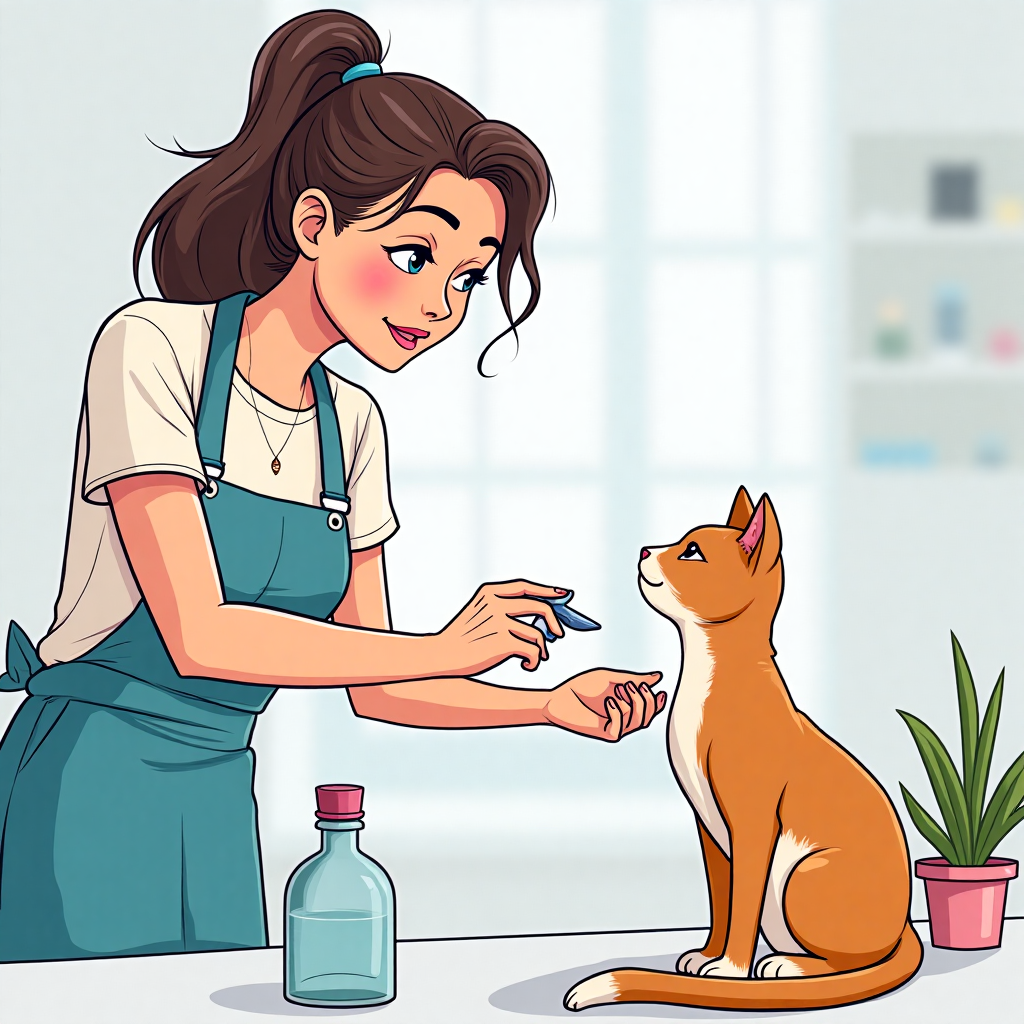
  • The Ultimate Guide: How to Groom Your Cat for Health and Happiness

    The Ultimate Guide: How to Groom Your Cat for Health and Happiness

    Many cat owners believe their feline friends are entirely self-sufficient when it comes to grooming. After all, who hasn’t watched their cat meticulously lick every inch of fur with that tiny, sandpaper-like tongue? While cats are indeed fastidious creatures with impressive self-grooming habits, this doesn’t mean they don’t need our help. Regular grooming sessions are crucial for maintaining your cat’s health, comfort, and overall well-being. Beyond just keeping their coat shiny, grooming provides a unique opportunity for bonding, allows for early detection of potential health issues like lumps, parasites, or skin problems, and helps manage common issues like hairballs.

    Understanding your cat’s specific grooming needs is the first step. Factors like breed, coat length, age, and lifestyle significantly influence the frequency and type of care required. A sleek-haired Siamese will need far less brushing than a fluffy Persian. An elderly cat with arthritis might struggle to reach certain areas for grooming. An outdoor adventurer might bring home more dirt and debris than a pampered indoor companion. Recognizing these nuances ensures you tailor your approach effectively, preventing discomfort or stress for your feline friend.

    Committing to a regular grooming routine isn’t just about aesthetics; it’s a fundamental aspect of responsible pet ownership. Neglecting grooming can lead to a cascade of problems, from painful mats and skin infections to excessive hairballs that cause digestive upset. By learning the proper techniques and investing a little time each week, you transform grooming from a chore into a positive, health-boosting ritual that strengthens the special bond you share with your cat.

    Essential Tools for Cat Grooming Success

    Before diving into the grooming process, it’s vital to assemble the right tools. Having appropriate equipment on hand makes the experience smoother, more effective, and less stressful for both you and your cat. Trying to use the wrong brush or dull clippers can cause discomfort and make your cat wary of future sessions.

    Brushes and Combs

    The cornerstone of any grooming kit is a selection of brushes and combs suited to your cat’s coat type. For short-haired cats, a rubber grooming mitt or a fine-bristled brush is often sufficient to remove loose hair and distribute skin oils. Long-haired breeds require more specialized tools:

    • Slicker Brush: Excellent for removing loose hair and preventing mats in medium to long coats. Look for ones with fine, bent wires.
    • Undercoat Rake: Essential for thick-coated cats (like Maine Coons or Norwegian Forest Cats) to remove the dense undercoat and prevent matting.
    • Wide-Toothed Comb: Ideal for gently working through tangles in long fur before they become mats. Metal combs are generally more durable and glide easier.
    • Fine-Toothed Comb: Useful for finishing touches around the face, ears, and tail on long-haired cats.

    Nail Care Essentials

    Regular nail trimming is crucial to prevent painful ingrown nails, damage to furniture, and accidental scratches. Invest in a pair of sharp, cat-specific nail clippers. Guillotine-style clippers or small scissor-style clippers designed for pets are popular choices. Avoid human nail clippers, as they can crush or split the nail. Having styptic powder (like Kwik Stop) nearby is also wise to quickly stop any minor bleeding if you accidentally cut the quick (the pink, sensitive part inside the nail).

    Other Important Supplies

    • Cat-Specific Shampoo: Never use human shampoo, as it can dry out their skin. Opt for a gentle, pH-balanced formula designed for cats.
    • Soft Towels: For drying after a bath (if needed) or wiping paws.
    • Cotton Balls/Pads: For cleaning ears and eyes.
    • Cat-Safe Ear Cleaner: Only use solutions recommended by your vet.
    • Toothbrush and Cat Toothpaste: Essential for dental care (never use human toothpaste).
    • Treats: High-value rewards to positively reinforce good behavior during grooming.

    A Step-by-Step Guide to Cat Grooming

    Creating a calm, positive environment is key to a successful grooming session. Choose a quiet time when your cat is relaxed, perhaps after a meal or a play session when they’re naturally more mellow. Have all your tools within easy reach to avoid leaving your cat unattended. Start with short sessions (5-10 minutes) and gradually increase the duration as your cat becomes more comfortable. Always use gentle, reassuring strokes and speak softly. If your cat becomes agitated, stop and try again later.

    Brushing: The Foundation of Grooming

    Brushing is the most frequent grooming task. For most cats, aim for 2-3 times per week; long-haired cats often need daily brushing to prevent mats. Start by gently petting your cat to relax them. Begin brushing in the direction of hair growth, focusing on areas they can’t easily reach – back, shoulders, and base of the tail. Pay special attention to friction areas like under the arms (armpits), behind the ears, and the belly (if your cat allows it), as these are prone to matting. Use gentle strokes:

    • Short-haired cats: Use a rubber brush or fine-bristle brush in smooth strokes.
    • Long-haired cats: Start with the wide-toothed comb to gently detangle, then use the slicker brush to remove loose hair, and finish with the fine-toothed comb around delicate areas. Hold the base of the hair near the skin when combing tangles to minimize pulling.

    Always reward your cat with praise and treats throughout and after the session.

    Nail Trimming: Taming the Claws

    Nail trimming frequency depends on your cat’s activity but generally every 2-4 weeks is sufficient. Wait until your cat is very relaxed – perhaps when they’re sleepy. Gently press the paw pad to extend the claws. Identify the quick (the pink part inside the nail containing nerves and blood vessels). Only trim the sharp, translucent tip of the nail, well clear of the quick. Cutting the quick is painful and will cause bleeding. Trim just the tip of each nail. If your cat is resistant, trim one or two nails at a time over several days. Use styptic powder immediately if you nick the quick.

    Ear and Eye Care: Gentle Cleaning

    Ears: Check ears weekly for wax buildup, dirt, or unusual odor (a sign of infection). Never insert anything deep into the ear canal. Moisten a cotton ball or pad with vet-approved ear cleaner. Gently wipe only the visible parts of the inner ear flap. If you notice significant wax, redness, swelling, or odor, consult your vet.

    Eyes: Some breeds (like Persians) are prone to tear staining. Use a separate moistened cotton ball or pad for each eye, wiping gently from the inner corner outward. Use plain water or a saline solution recommended by your vet. Never use soap near the eyes.

    Bathing (When Necessary)

    Most cats rarely need baths due to their efficient self-grooming. Bathing is typically reserved for instances when they get into something sticky, dirty, or smelly, or if recommended by a vet for a skin condition. Prepare everything beforehand: fill a sink or tub with a few inches of lukewarm water, have shampoo and towels ready. Place a non-slip mat in the tub. Gently place your cat in the water, supporting their body. Wet the coat thoroughly (avoiding the face), apply shampoo, lather gently, then rinse *extremely* thoroughly until all soap residue is gone. Wrap your cat immediately in a towel and dry them in a warm, draft-free room. Never use a hairdryer, as the noise and heat can be terrifying and potentially burn their skin.

    Dental Care: Often Overlooked, Vitally Important

    Dental disease is a common and serious problem in cats. Introduce tooth brushing gradually. Start by letting your cat taste the cat-specific toothpaste (often flavored). Then, gently rub your finger along their gums. Progress to using a soft-bristled cat toothbrush or finger brush. Brush in small circles, focusing on the outer surfaces of the teeth. Aim for several times a week, ideally daily. Regular veterinary dental checkups are essential.

    Addressing Common Challenges: Mats, Tangles, and Resistance

    Mats are dense clumps of dead fur that form close to the skin, particularly in long-haired cats or during shedding seasons. They can be painful, pulling on the skin, restricting movement, and causing skin irritation or infection underneath. Never try to cut out a mat with scissors, as it’s easy to accidentally cut the skin. For small, surface-level mats, you can sometimes gently tease them apart with your fingers or a wide-toothed comb, working from the outside edge inward. Hold the base of the fur to minimize pulling the skin. For larger, tighter mats close to the skin, the safest approach is often to have them professionally removed by a groomer or veterinarian. They may use specialized clippers to shave the mat off safely without risking injury.

    Dealing with a cat who resists grooming requires patience and strategy. Forcing the issue will only create fear and make future sessions harder. Start young if possible, so kittens become accustomed to handling. Associate grooming with positive experiences – offer high-value treats *during* and immediately after the session. Break grooming down into very short, manageable segments. If brushing is stressful, do just one stroke, then give a treat, and stop. Gradually build up. Use calming aids like Feliway diffusers (synthetic feline pheromones) in the grooming area. Identify what specifically your cat dislikes (e.g., the sound of the clippers, being restrained) and work on desensitizing them to that trigger slowly and positively. If anxiety is severe, consult your vet or a professional behaviorist.

    Knowing When to Call in the Professionals

    While home grooming is essential, there are times when seeking professional help is the best choice. A professional groomer is invaluable for:

    • Severe Matting: Safely removing extensive mats without injuring the cat.
    • Difficult Cats: Groomers are experienced in handling anxious or aggressive cats safely and efficiently.
    • Specific Breed Cuts: Some long-haired breeds benefit from specific styles (like a “sanitary trim” around the rear).
    • Lion Cuts: A full-body shave sometimes recommended for cats with chronic matting issues (though controversial, as it removes their natural insulation).

    Always choose a groomer experienced with cats, as their needs and temperaments differ significantly from dogs. Mobile groomers or cat-only salons can offer a less stressful environment.

    Furthermore, your veterinarian is a crucial partner in your cat’s grooming health. Schedule regular checkups. Discuss any skin issues, excessive shedding, bald patches, lumps, bumps, or changes in grooming behavior you observe. Your vet can diagnose underlying medical problems (like allergies, parasites, or hormonal imbalances) that might manifest through skin and coat changes. They can also provide guidance on specific products and techniques suitable for your cat’s individual health needs.

    Conclusion: Grooming as an Act of Love

    Grooming your cat is far more than just a cosmetic chore. It’s a fundamental aspect of their healthcare routine, directly impacting their physical comfort, skin health, and ability to regulate body temperature. Regular brushing prevents painful mats, reduces hairballs that cause digestive distress, and distributes natural oils for a healthier coat. Nail trims protect your furniture and your skin, and prevent painful ingrown claws. Ear and eye checks allow for early detection of infections. Dental care combats periodontal disease, which can lead to systemic health issues.

    Beyond the physical benefits, grooming fosters a profound emotional connection. These sessions provide dedicated one-on-one time, building trust and strengthening your bond. The gentle touch and focused attention are inherently reassuring for your cat. Over time, a positive grooming routine becomes a shared ritual, a quiet moment of mutual care and affection in your busy lives.

    Approach grooming with patience, gentleness, and the right tools. Understand your cat’s individual needs and temperament. Celebrate small successes, and don’t be discouraged by setbacks. By investing time in learning how to groom your cat effectively and making it a positive experience, you are providing an essential component of their overall well-being and happiness, ensuring they feel comfortable, loved, and cared for throughout their life.

  • Why Does My Cat Scratch Everything? Understanding and Solving Destructive Scratching

    Why Does My Cat Scratch Everything? Understanding and Solving Destructive Scratching

    If you share your home with a feline friend, you’ve likely experienced the frustration of finding your favorite couch, rug, or curtains adorned with fresh claw marks. While disheartening for any cat owner, scratching is an entirely natural and essential behavior for cats. It’s not an act of spite or malice; it’s deeply ingrained in their instincts. Understanding the “why” behind this behavior is the crucial first step towards finding effective solutions that work for both you and your cat. Instead of viewing it as a problem to be eradicated, we need to see it as a need to be redirected. This article delves into the reasons cats scratch and provides comprehensive, practical solutions to protect your belongings while keeping your cat happy and healthy.

    Why Do Cats Scratch? It’s Instinct, Not Malice

    Before diving into solutions, it’s vital to understand that scratching serves multiple important functions for your cat. It’s not a behavior they engage in to annoy you; it’s a fundamental part of their feline nature.

    Key Reasons Behind the Clawing

    • Claw Maintenance: Scratching helps cats shed the outer, worn layers of their claws, revealing the sharp, new claws underneath. It’s essentially their way of filing their nails.
    • Marking Territory (Visual & Scent): Cats have scent glands in their paws. When they scratch, they leave behind both visible marks and their unique scent, effectively claiming the object or area as part of their territory. This communicates information to other cats.
    • Stretching & Muscle Conditioning: The act of scratching allows cats to stretch their bodies, particularly their back and shoulder muscles, and flex their feet and claws. It’s a form of exercise and maintaining muscle tone.
    • Emotional Release: Scratching can be a way for cats to relieve stress, excitement, or frustration. It’s an outlet for pent-up energy or anxiety.

    Recognizing that scratching fulfills these essential needs reframes the challenge. Our goal isn’t to stop the scratching behavior altogether (which would be unfair and potentially harmful to the cat), but rather to provide appropriate outlets and protect inappropriate ones.

    Providing the Right Outlets: Scratching Posts and Pads

    The most effective long-term solution to destructive scratching is to provide appealing alternatives that satisfy your cat’s scratching instincts. Simply placing a single cheap scratching post in the corner might not be enough. You need to think like a cat.

    Choosing the Perfect Scratching Surface

    Cats have preferences, often strong ones, for the materials they like to scratch. Experimentation is key. Common and generally well-received materials include:

    • Sisal Rope: A rough, fibrous material that provides excellent resistance for clawing. Often wrapped around posts.
    • Cardboard: Many cats love the feel and sound of shredding cardboard. Cardboard scratchers are relatively inexpensive and can be laid flat or placed on an incline.
    • Wood: Some cats prefer the texture of natural wood. Logs or posts made of untreated wood can be attractive.
    • Carpet: While popular commercially, carpet-covered posts can sometimes confuse cats if they resemble your actual carpet. Ensure it’s a different texture or loop.

    Observe your cat. Do they prefer scratching your sturdy couch arm (vertical, sturdy) or the rug on the floor (horizontal, textured)? Mimicking the texture and orientation of their preferred “wrong” spot increases the likelihood they’ll use the “right” one.

    Strategic Placement is Crucial

    Where you put the scratching post is just as important as what it’s made of. Don’t hide it away in a basement or unused room.

    • Near “Problem” Areas: Place posts right next to the furniture or areas your cat currently scratches. This provides an immediate alternative.
    • In Social Areas: Cats often scratch after waking up (a big stretch!) or when excited. Place posts near their favorite sleeping spots and in common family areas where they spend time.
    • By Entrances/Exits: Doorways and windows are prime territory-marking spots. Having a post nearby gives them an appropriate place to leave their scent.
    • Multiple Posts: Especially in multi-cat households or larger homes, provide several scratching options in different locations and orientations (vertical, horizontal, angled).

    Ensuring Stability and Size

    A wobbly scratching post is terrifying for a cat. They need to feel secure and be able to lean their full weight into the scratch without the post tipping over. Choose posts with a wide, heavy base or secure them firmly to the wall. The post should also be tall enough for your cat to stretch fully upwards – generally at least 30 inches tall for adult cats.

    Protecting Your Prized Possessions

    While providing alternatives is the cornerstone, sometimes you need an extra layer of defense for your furniture, especially during the training phase or for particularly stubborn scratchers.

    Physical Barriers and Deterrents

    Making the forbidden surfaces unpleasant or inaccessible can be highly effective.

    • Double-Sided Tape (Sticky Paws): Cats dislike the sticky feeling on their paws. Applying double-sided tape specifically designed for pets (like Sticky Paws) to furniture arms or corners can deter scratching. Remove once the habit is broken.
    • Plastic Furniture Covers/Caps: Clear plastic protectors can be fitted over corners and arms, making them slippery and unattractive to scratch. Vinyl corner guards are another option.
    • Furniture Throws/Slipcovers: Using thick, tightly woven fabrics like microfiber or denim as throws can protect surfaces. Some cats are less inclined to scratch these materials.
    • Strategic Blocking: Temporarily blocking access to favorite scratching spots with furniture, boxes, or even aluminum foil (which many cats dislike the sound and feel of) can help redirect them.

    Using Scents as Deterrents

    Cats have sensitive noses. Certain scents they find unpleasant can act as natural deterrents. Always use pet-safe options and test in an inconspicuous area first.

    • Citrus Scents: Many cats dislike citrus. Spraying diluted citrus essential oils (like orange or lemon) or using citrus-scented sprays on furniture can help. Never apply oils directly to the cat or surfaces they contact frequently.
    • Commercial Pet Deterrent Sprays: Products like bitter apple spray are formulated to taste and smell unpleasant to pets. Apply sparingly to protected areas.

    Note: Deterrents should be used alongside providing alternatives, not as a standalone solution.

    Training and Positive Reinforcement: Encouraging Good Habits

    Training your cat to use scratching posts involves patience, consistency, and positive reinforcement. Punishment is ineffective and can damage your bond.

    Making the Post Irresistible

    Sometimes, cats need a little encouragement to discover their new scratching haven.

    • Catnip or Silvervine: Sprinkle or rub catnip or silvervine (another feline attractant) on the scratching post to pique their interest.
    • Interactive Play: Use a wand toy to play near the post, encouraging your cat to swat at it or climb on the post. Reward with treats if they touch or scratch it during play.
    • Treats and Praise: Whenever you see your cat using the scratching post, immediately offer verbal praise (“Good kitty!”) and a small, tasty treat. This creates a positive association.

    Redirecting, Not Punishing

    If you catch your cat scratching furniture, calmly interrupt the behavior. A firm “no” or clap can startle them (but don’t yell). Then, immediately redirect them to the appropriate scratching post. Gently placing their paws on the post can sometimes help, but don’t force it. Praise and reward them if they use the post.

    Never punish your cat after the fact. They won’t associate the punishment with scratching something hours ago. Physical punishment is always counterproductive and can lead to fear or aggression.

    Nail Care: Trimming and Alternatives

    Regular nail maintenance can significantly reduce the damage caused by scratching, even when it’s directed appropriately.

    Regular Nail Trimming

    Learning to trim your cat’s claws is a valuable skill.

    • Frequency: Every 1-2 weeks is usually sufficient for most cats.
    • Technique: Use sharp, cat-specific clippers. Gently press the paw to extend the claws. Only trim the clear, hook-like tip, avoiding the pink “quick” (which contains nerves and blood vessels). If unsure, ask your vet or groomer for a demonstration.
    • Positive Association: Start slowly, trimming just one or two claws at a time, and always pair it with treats and praise to make it a positive experience.

    Soft Paws® Nail Caps

    These are small, vinyl caps that are glued over your cat’s claws. They are generally safe and painless when applied correctly.

    • How They Work: The caps blunt the claws, preventing them from causing damage when the cat scratches. The cat can still perform the scratching motion and extend/retract claws normally.
    • Application: Requires trimming the nails first, then applying the caps with special adhesive. They need to be replaced every 4-6 weeks as the nails grow out.
    • Suitability: An excellent option for cats who continue to scratch furniture despite other methods, or for protecting vulnerable individuals (like those with thin skin). Best discussed with your veterinarian first.

    The Declawing Dilemma: Why It’s Not a Solution

    Declawing (onychectomy) is a major surgical procedure involving the amputation of the last bone of each toe. It is increasingly considered inhumane and is banned in many cities and countries for good reason.

    • Physical Consequences: It can lead to chronic pain, lameness, nerve damage, infection, and litter box avoidance due to paw tenderness.
    • Behavioral Consequences: Declawed cats may become more prone to biting as they lose their primary defense mechanism. They may also experience increased anxiety.
    • Ethical Concerns: It removes a fundamental part of the cat’s anatomy and ability to express natural behaviors. It should only be considered as an absolute last resort for severe medical reasons (like cancerous nail beds), not for scratching furniture.

    Thankfully, with the range of humane alternatives available (scratching posts, training, nail trims, caps), declawing is completely unnecessary for behavioral issues.

    Conclusion: Patience, Understanding, and the Right Tools

    Dealing with unwanted scratching requires a shift in perspective. It’s not a battle against your cat, but a journey of understanding their needs and providing acceptable outlets for their natural instincts. There is no single magic bullet, but a combination of strategies is highly effective. Provide sturdy, appealing scratching posts in strategic locations. Use deterrents and physical barriers to protect furniture temporarily. Employ positive reinforcement to encourage use of the posts. Maintain their claws through regular trimming or consider nail caps. Above all, be patient and consistent. Punishment will only set you back. By respecting your cat’s nature and guiding them towards appropriate behavior, you can preserve your furniture and enjoy a harmonious, scratch-free (or at least scratch-managed!) home with your beloved feline companion.