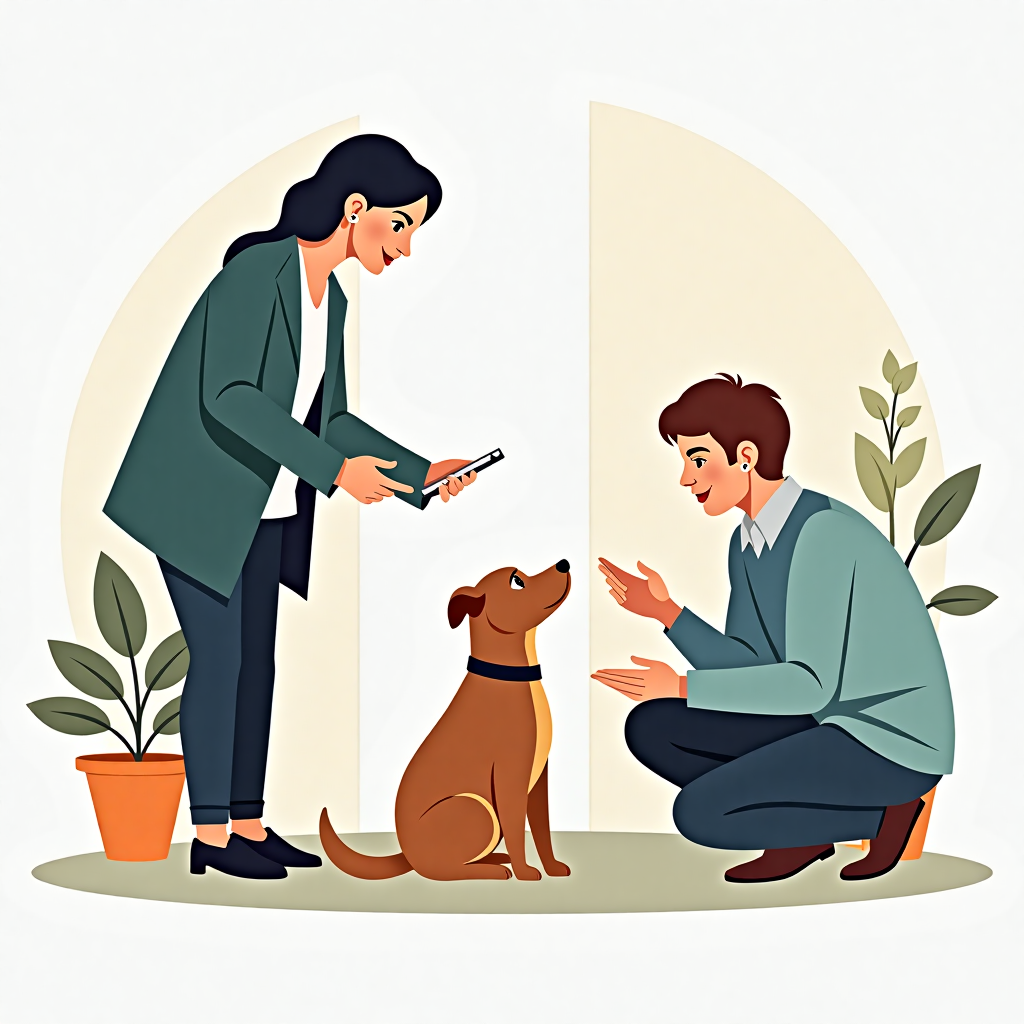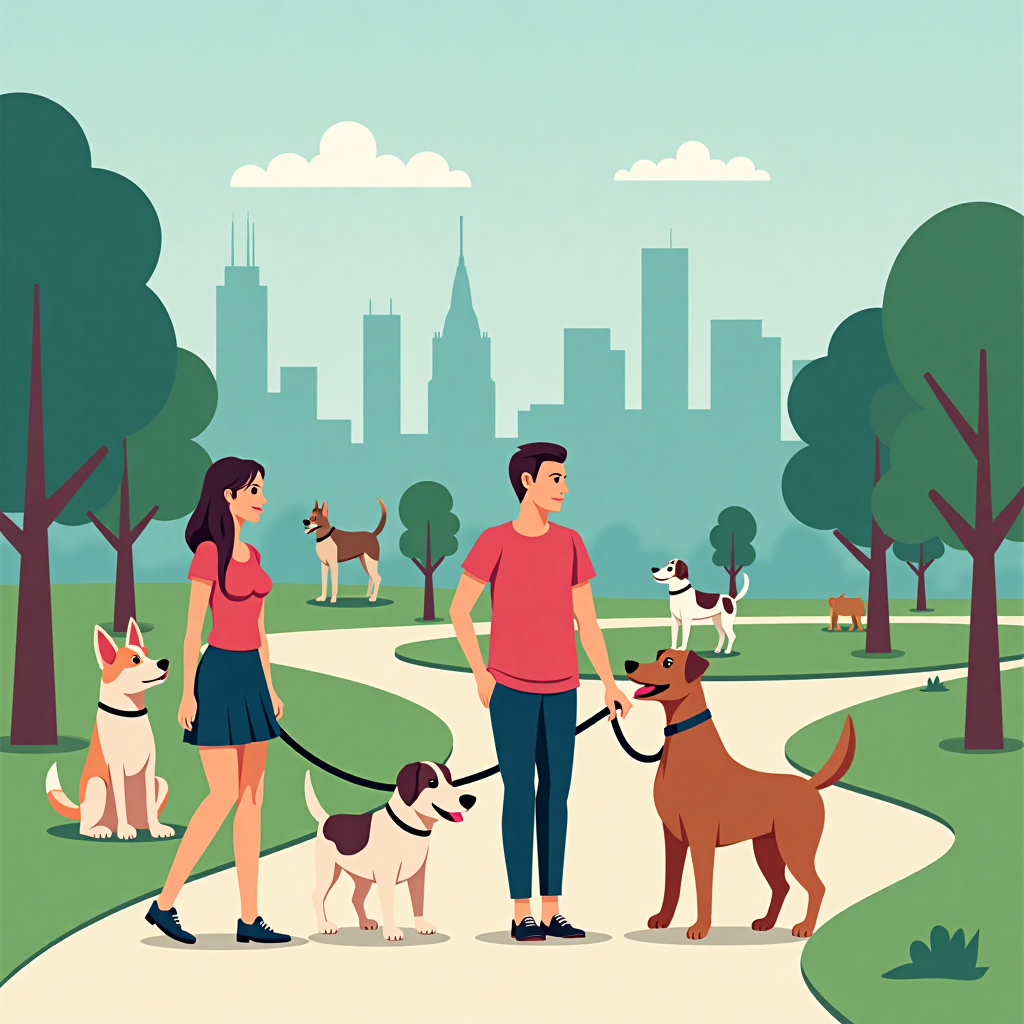
For dog owners, the local dog park is more than just a fenced-in plot of grass; it’s a cherished social hub, a canine carnival, and a vital outlet for our furry friends’ boundless energy. It’s where zoomies are freely executed, new friendships (both human and canine) are forged, and the simple joy of a slobbery tennis ball is celebrated. However, this idyllic scene can quickly devolve into chaos, stress, and even danger when the unspoken rules of the dog park are ignored. Proper dog park etiquette isn’t about arbitrary strictness—it’s the foundation for safety, fun, and community harmony. Whether you’re a first-time visitor or a seasoned regular, this comprehensive guide will walk you through everything you need to know to ensure every trip is a tail-wagging success.
The Foundation: Pre-Park Preparation & Entry Protocol
Your responsibility for a successful park visit begins long before you unlatch the gate. Think of this as your pre-flight checklist, ensuring both you and your dog are ready for the environment ahead. A little preparation prevents a multitude of problems and sets the stage for a relaxed and enjoyable outing for everyone involved.
Is Your Dog Park-Ready?
This is the most critical question. A dog park is an intense, stimulating environment, and not every dog is suited for it. Assess your dog honestly. They should be fully vaccinated, including for Bordetella (kennel cough), and on a reliable flea/tick/heartworm preventative. More importantly, they should have basic social skills. If your dog is overly fearful, reactive, has a history of aggression, or hasn’t learned to interact politely with other dogs, the dog park is not the right place to start. Consider controlled playdates or working with a trainer first.
The Essentials Packing List
Don’t show up empty-handed! Being prepared shows consideration for the shared space and its inhabitants. Your dog park kit should include:
- Poop Bags (and a Backup Roll): This is non-negotiable. Always pick up after your dog immediately, every single time.
- Water & a Collapsible Bowl: Never rely on the park’s water supply (if it even has one). Providing your own water prevents resource guarding and the spread of germs.
- A Leash: Have it on you, even inside the off-leash area. You need to be able to control your dog instantly if necessary.
- High-Value Treats: Useful for quick recalls or to distract your dog from a developing tense situation.
- Your Full Attention: Put your phone away. Your primary job is to supervise your dog.
The Gate Dance: Entering and Exiting Safely
The entrance is a notorious flashpoint. The protocol exists to prevent escapes and manage the excitement of meeting new dogs. Always use the double-gate system as intended. Before entering the holding area, scan the park. Are there large, rowdy groups right by the gate? Wait for a calm moment. Once inside the first gate, leash off your dog in the holding area. Then, open the inner gate, step in confidently with your dog, and move away from the entrance immediately. This prevents a bottleneck and allows your dog to greet others in a moving, less confrontational way. Reverse the process when leaving, using the holding area to leash back up.
In the Arena: Supervision, Play, and Conflict Management
You’re in! Now the real work begins. Your role shifts from preparer to active supervisor, play interpreter, and polite community member. This is where your attentiveness and understanding of canine body language become paramount.
Be an Active, Engaged Supervisor
Park etiquette isn’t passive. It requires you to be on your feet and engaged. Keep your eyes on your dog at all times. Watch their interactions. Are they giving and receiving appropriate play bows? Are they taking breaks? Are their movements loose and bouncy, or stiff and tense? Learn the signs of healthy play versus bullying or stress. A good rule of thumb: you should be close enough to intervene within a few seconds if needed. This means no getting absorbed in conversations, scrolling on your phone, or turning your back to the action.
Understanding Play vs. Trouble
Not all roughhousing is bad. Dogs play with their mouths and bodies. Look for reciprocal play—they take turns being the chaser and the chasee, the pouncer and the pounced-on. Listen for happy, playful barks, not fearful yelps or aggressive growls. Key signs of trouble include:
- One dog consistently pinning or overwhelming another who is trying to get away.
- Excessive mounting (beyond a brief attempt).
- A group of dogs “ganging up” on a single dog.
- Stiff body postures, raised hackles, fixed stares, or curled lips.
If you see these signs in your dog or another, it’s time to calmly intervene by calling your dog away or, if safe, distracting the other dogs.
Handling Conflicts and Recall
Even with the best supervision, minor scuffles can happen. If a fight breaks out, stay calm. Do not reach in with your hands, as you will likely get bitten. Instead, use distraction techniques: a loud, sharp noise (like shaking a can of coins), a spray of water, or throwing a jacket over the dogs. Your dog must have a reliable recall. Being able to call them away from a tempting puddle of mud, an interesting snack, or a dog they’re annoying is your most powerful tool for preventing issues. Practice this command religiously outside the park.
The Human Element: Respecting People, Property, and Shared Space
The dog park is a shared community resource, and that community includes humans with different comfort levels, knowledge, and expectations. Being a good neighbor is just as important as managing your dog well. Your courtesy and communication can defuse potential problems before they start.
Communication is Key
Don’t be afraid to politely speak up or to listen. If your dog is a relentless fetcher and another dog keeps stealing their ball, a simple “Hey, we’re working on some resource guarding, could you call your pup away from the ball?” goes a long way. Conversely, if someone asks you to call your dog because they’re being too intense, do not get defensive. Thank them, call your dog, and give them space. It’s not a judgment on your dog’s character; it’s a simple request for comfort and safety.
What Not to Bring
Certain items create instant tension. Avoid bringing:
- Young Children: Dog parks are for dogs. Running, squealing children can trigger prey drive or be accidentally knocked over.
- Food (Human or Dog): This is the fastest way to start a dogfight. Leave the snacks and picnics for human-only parks.
- Fragile or Aggressive Toys: A single, high-value toy like a favorite frisbee can cause resource guarding. If you bring a toy, be prepared to lose it or share it.
- A Dog in Heat: This is an absolute no-go. It is irresponsible and will cause immense disruption and potential conflict.
Know When to Leave
Part of being a responsible owner is recognizing when it’s time to go. If your dog is becoming overtired (which often leads to crankiness), if the dynamics of the park have shifted with the arrival of a dog they don’t like, or if you’re simply not able to supervise effectively, end on a high note. It’s better to have a shorter, positive experience than to push it and risk a negative incident. A tired, happy dog is the ultimate goal, and sometimes that means leaving while everyone is still having fun.
Conclusion: Building a Better Bark Park, Together
Dog park etiquette boils down to a combination of preparedness, vigilance, and common courtesy. It’s about understanding that while the park is a place for unleashed freedom, that freedom comes with significant responsibility for the humans holding the leash. By vaccinating our pets, cleaning up after them, supervising their play, and communicating respectfully with fellow owners, we do more than just follow rules—we cultivate a safe, welcoming, and enjoyable environment for all. When everyone commits to these unspoken rules, the dog park fulfills its promise: a little slice of off-leash paradise where our canine companions can run, play, and simply be dogs, and we can enjoy the wonderful community that forms around them. So pack your bags, leash up with confidence, and go create some pawsitive memories.