Bathing your dog is an essential part of pet care, but it can also be a challenging task for many owners. Whether your dog is a playful puppy or a calm adult, knowing how to bathe them properly can make a world of difference in maintaining their hygiene and overall well-being. In this article, we’ll walk you through the step-by-step process of bathing your dog, including tips on preparing for the bath, choosing the right products, and ensuring your furry friend stays calm and comfortable throughout the experience. By the end of this guide, you’ll feel confident and equipped to handle bath time like a pro!
Why Bathing Your Dog Matters
Before diving into the how-to, it’s important to understand why bathing your dog is necessary. Dogs, unlike humans, don’t bathe themselves, and their coats can accumulate dirt, dander, and allergens over time. Regular baths help keep their skin healthy, prevent infections, and reduce shedding. Additionally, bathing can be a bonding experience between you and your dog, especially if you make it a positive and stress-free routine. However, it’s equally important not to bathe your dog too frequently, as this can strip their coat of natural oils and lead to dryness or irritation. Striking the right balance is key to maintaining your dog’s hygiene and happiness.
What You’ll Need for a Dog Bath
To ensure a smooth and effective dog bath, gather all the necessary supplies beforehand. Here’s a list of items you’ll need:
- Dog shampoo: Choose a pH-balanced, tear-free formula specifically designed for dogs. Avoid human shampoos, as they can be too harsh for your pet’s skin.
- Conditioner: A dog conditioner can help keep their coat soft and reduce tangles, especially if they have long hair.
- Brush or comb: Brushing your dog before the bath helps remove loose fur and mats, making the bathing process easier.
- Bath towels: Have several clean towels on hand to dry your dog thoroughly after the bath.
- Rubber mat or non-slip surface: This will prevent your dog from slipping in the tub and make the process safer for both of you.
- Detachable spray nozzle: A detachable nozzle or handheld showerhead is ideal for controlling the water flow and avoiding discomfort.
- Plastic cup or small container: Use this to pour water over your dog instead of directly spraying them, especially if they’re sensitive to water pressure.
- Reward treats: Positive reinforcement can make bath time a pleasant experience for your dog.
- Optional: Dog life jacket or floatation device: If you’re bathing your dog in a pool or outdoor setting, this can provide added safety and security.
Having all these items prepared will help you stay organized and make the process more efficient. It’s also a good idea to keep your dog’s favorite toys nearby to distract them if they become anxious during the bath.
Step-by-Step Guide to Bathing Your Dog
1. Prepare Your Dog for Bath Time
Start by creating a positive association with bath time. Dogs are creatures of habit, and if they’ve had a bad experience in the past, they might resist bathing. To ease their anxiety, begin by brushing their coat to remove any tangles or mats. This not only makes bathing easier but also helps your dog feel more comfortable. If your dog is particularly nervous, you can introduce them to the bathroom or bathing area gradually, allowing them to sniff and explore before you start the actual bath.
Before you begin, check the temperature of the water. It should be warm but not hot—aim for around 100°F (38°C). Test the water with your hand or a thermometer to ensure it’s comfortable for your dog. Fill the tub or basin with water deep enough to cover your dog’s legs but not so deep that they feel overwhelmed. If you’re bathing your dog outside, make sure the area is enclosed to prevent them from running away if they get scared.
2. The Actual Bathing Process
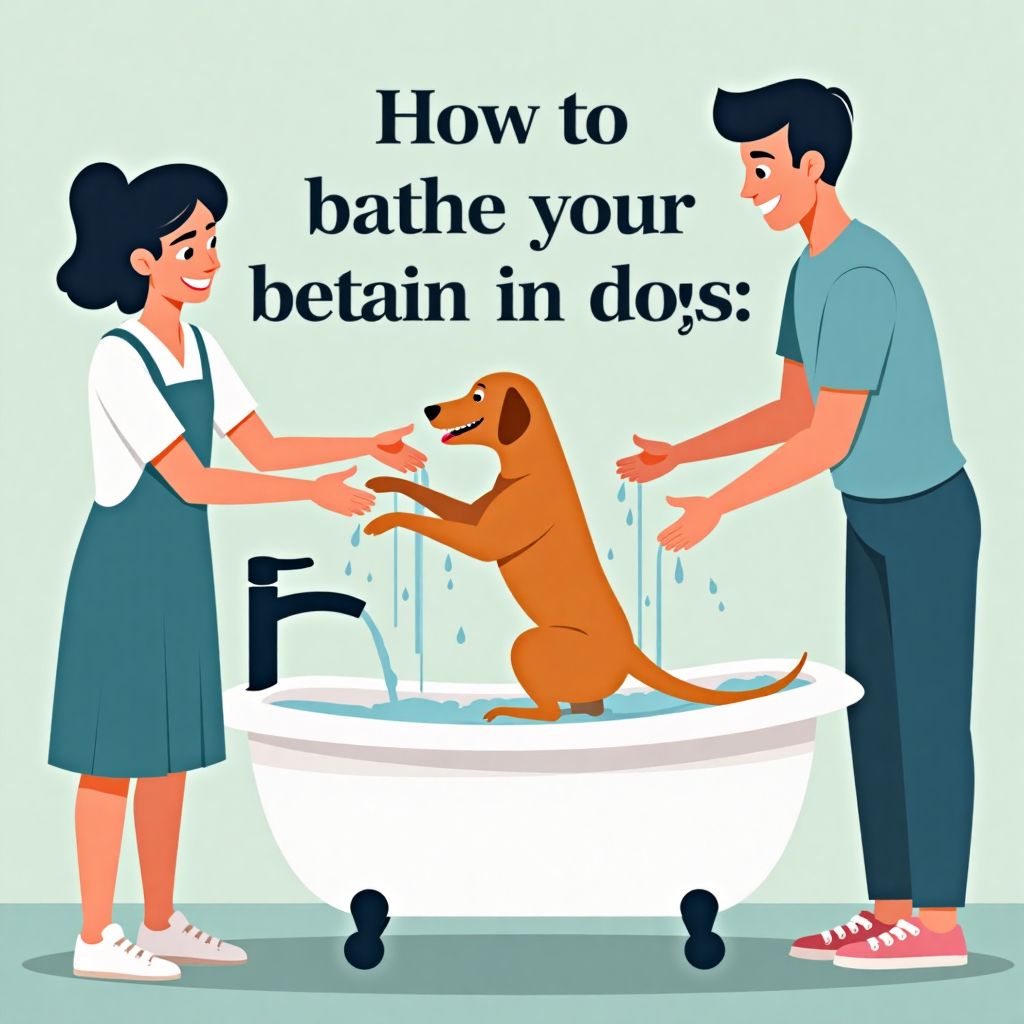
Once your dog is calm and the water is ready, gently place them in the tub or basin. Use a plastic cup or container to pour water over their body, starting from the top of their head and working your way down. Avoid getting water in their eyes, ears, or nose, as this can cause discomfort or even infections. If your dog has long hair, you might need to lift their fur to ensure the shampoo reaches their skin properly.
Apply a small amount of dog shampoo to your hands or a washcloth and work it into your dog’s coat, starting from the neck and moving downward. Be sure to massage the shampoo into their skin gently, especially around their face, paws, and tail. Rinse thoroughly with warm water, making sure no shampoo residue remains. If your dog has a particularly dirty coat or skin condition, you may need to repeat the shampooing process. For dogs with sensitive skin, consider using a hypoallergenic or oatmeal-based shampoo to soothe and moisturize their coat.
After shampooing, apply a dog conditioner to their coat. This will help detangle their fur and leave it soft and shiny. Focus on the conditioner on their legs and tail, as these areas are more prone to matting. Rinse thoroughly again, ensuring all the conditioner is removed. Avoid using human conditioner, as it can be too heavy and cause buildup in your dog’s fur.
3. Drying Your Dog
Once the bath is complete, it’s time to dry your dog. Use a clean, absorbent towel to gently pat them dry. Start by drying their face, ears, and paws first, as these areas are more sensitive. For longer-haired breeds, you may need to use a blow dryer on a low or medium setting. Always use a cool or warm air setting—never hot—to avoid burning their skin. Keep the dryer at a safe distance and move it slowly around their body, paying special attention to areas like their underbelly and legs that can take longer to dry.
If your dog is particularly anxious about blow dryers, you can opt for a towel dry instead. However, towel drying alone may not be sufficient for certain breeds, as it can leave their coat damp and prone to tangles. Reward your dog with treats and praise throughout the drying process to keep them calm and cooperative. Remember, patience is key—drying can take time, especially for dogs with thick or long coats.
How Often Should You Bathe Your Dog?
One of the most common questions dog owners ask is, “How often should I bathe my dog?” The answer depends on several factors, including your dog’s breed, activity level, and skin condition. Generally, most dogs only need a bath every 1-3 months. Over-bathing can strip their coat of natural oils, leading to dryness, itching, and skin irritation. However, if your dog is particularly active, rolls in dirt, or has a medical condition that requires more frequent cleaning, you may need to bathe them more often.
Here are some guidelines to help you determine how often to bathe your dog:
- Short-haired breeds: These dogs typically need fewer baths, as their coats don’t retain as much dirt or odors. Every 3-4 months is usually sufficient.
- Long-haired breeds: Dogs with longer hair may need more frequent baths, especially if they’re prone to matting or tangles. Every 1-2 months is a good rule of thumb.
- High-energy or outdoor dogs: If your dog spends a lot of time outdoors, swimming, or rolling in dirt, they may need a bath every 1-2 weeks to keep their coat clean and healthy.
- Dogs with skin issues: If your dog has allergies, dry skin, or a skin condition, consult your veterinarian for bathing recommendations. They may suggest using specific shampoos or bathing frequencies to manage their condition.
Ultimately, the goal is to maintain your dog’s coat and skin without over-bathing. If your dog doesn’t have any specific needs, stick to the 1-3 month range and adjust as necessary based on their lifestyle and coat type.
Tips for a Stress-Free Bath
Bath time can be stressful for both you and your dog. Here are some tips to make the process more enjoyable for everyone:
- Positive reinforcement: Use treats, praise, and toys to create a positive association with bath time. Reward your dog after each step to reinforce good behavior.
- Stay calm: Dogs can sense your anxiety, so it’s important to stay calm and composed during the bath. If you’re relaxed, your dog is more likely to relax as well.
- Short sessions: Keep the bath short and sweet. Dogs have a shorter attention span, and prolonged baths can lead to frustration or discomfort.
- Use the right products: Invest in high-quality dog shampoos and conditioners that are pH-balanced and free from harsh chemicals. These products are designed to be gentle on your dog’s skin and coat.
- Protect their ears: Use cotton balls or a damp washcloth to protect your dog’s ears from water during the bath. This can help prevent infections and discomfort.
- Limit water pressure: Avoid using a strong stream of water, as it can scare your dog or cause discomfort. Opt for a gentle pour or spray instead.
By following these tips, you can create a stress-free environment for your dog during bath time. Remember, the goal is to keep them clean and healthy while also ensuring they feel safe and secure.
Conclusion
Bathing your dog is an important part of their grooming routine, but it doesn’t have to be a battle. With the right preparation, supplies, and approach, you can make bath time a positive experience for both you and your furry friend. Remember to use dog-specific shampoos and conditioners, keep the water temperature comfortable, and dry your dog thoroughly afterward. Most importantly, be patient and use positive reinforcement to help your dog feel calm and relaxed during the process.
Regular baths not only keep your dog clean but also contribute to their overall health and well-being. By understanding your dog’s specific needs and adjusting your bathing routine accordingly, you can ensure they stay happy, healthy, and smelling fresh for months to come. So, the next time bath time rolls around, approach it with confidence and kindness—your dog will thank you for it!