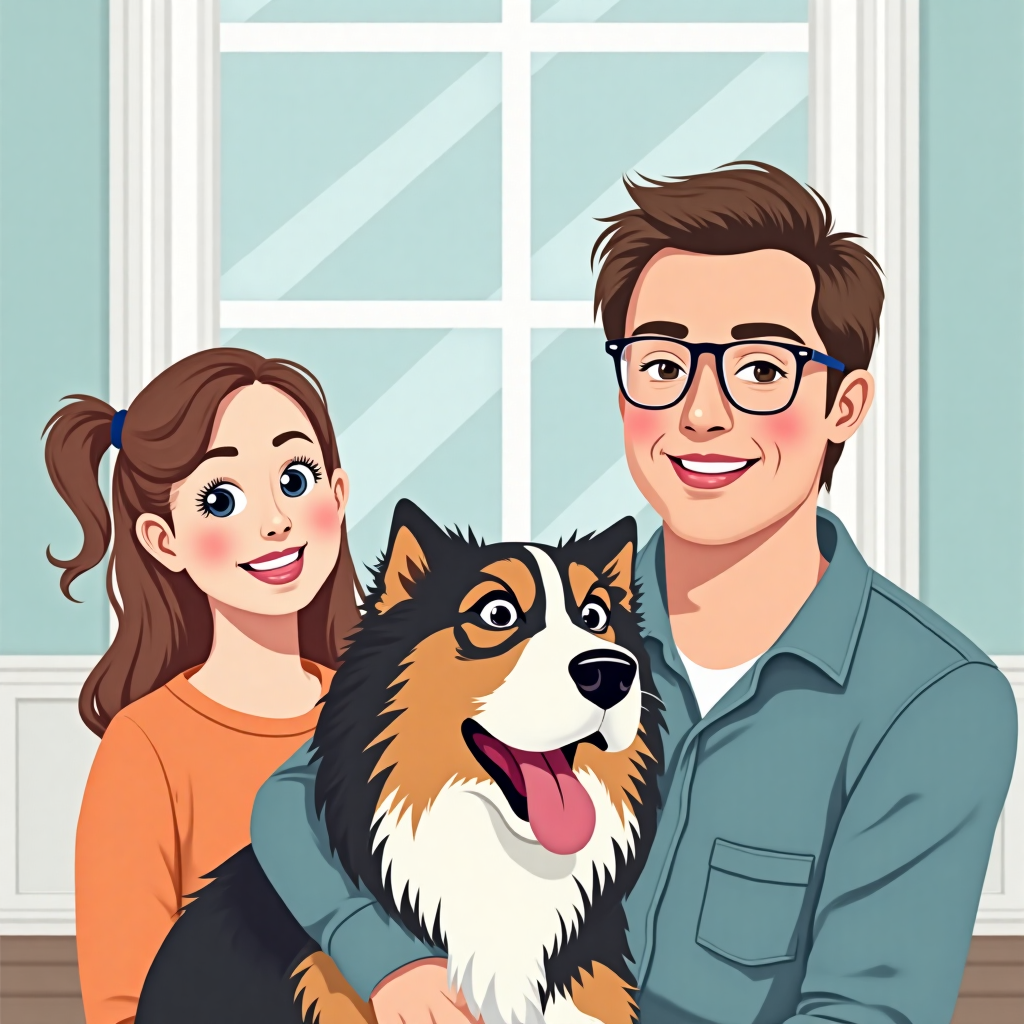
Bringing a dog into your family is a decision filled with excitement, anticipation, and maybe a touch of nervousness. It’s a commitment to adding a new, furry member who will share your home, your adventures, and your heart for years to come. For families with children, choosing the right canine companion is especially crucial. You’re not just looking for a pet; you’re looking for a playmate, a gentle guardian, and a source of unconditional love for your kids. The ideal family dog embodies patience, a friendly disposition, adaptability, and a temperament that can withstand the sometimes chaotic energy of family life.
With hundreds of breeds to choose from, navigating the options can feel overwhelming. Size, energy level, grooming needs, trainability, and, most importantly, temperament all play significant roles. A dog that thrives in a bustling household might not be the same one suited for a quieter environment, and vice versa. This guide aims to shed light on some of the most consistently recommended breeds known for their compatibility with children and family dynamics, helping you narrow down your search for that perfect four-legged friend.
Remember, while breed tendencies provide a helpful guide, every dog is an individual. Their personality is shaped by genetics, early socialization, training, and their unique experiences. Meeting potential dogs (and ideally their parents, if possible) is always recommended. Let’s explore some breeds that consistently earn high marks for being fantastic family companions.
Key Considerations Before Choosing a Family Dog
Before diving into specific breeds, it’s vital to take a step back and honestly assess your family’s lifestyle and capabilities. Choosing a dog based solely on looks or popularity can lead to mismatched expectations and potential challenges down the road. Here are some critical factors to ponder:
Your Family’s Lifestyle and Energy Level
Are you an active family who loves hiking, camping, and outdoor adventures? Or do you prefer quieter evenings at home with movies and board games? Matching a dog’s energy level to your family’s is paramount. A high-energy breed like a Border Collie will become frustrated and potentially destructive in a low-activity home, while a laid-back Bulldog might struggle to keep up with a constantly on-the-go family.
The Age and Temperament of Your Children
Toddlers and very young children move unpredictably and might not understand how to interact gently with a pet. Breeds known for exceptional patience and gentleness are often better choices for families with infants or preschoolers. Older children can typically handle more active or larger breeds, provided they are taught responsible interaction.
Size and Space also matter. A large, boisterous dog might unintentionally knock over a small child, while a very small, delicate breed might be easily injured by rough play. Consider your living space – a spacious home with a yard offers more flexibility than a small apartment.
Time Commitment: Exercise, Training, and Grooming
All dogs require time and effort. Be realistic about how much time you can dedicate daily to:
- Exercise: Walks, playtime, mental stimulation.
- Training: Essential for safety, good manners, and a harmonious household. This is a lifelong commitment, especially with puppies.
- Grooming: Some breeds need daily brushing and regular professional grooming; others have minimal coat care needs.
Temperament is Paramount
Above all else, prioritize temperament. Look for breeds (and individual dogs) known for being:
- Gentle and Patient: Able to tolerate the pokes, prods, and enthusiastic hugs that come with kids.
- Friendly and Outgoing: Comfortable with visitors, other pets, and new experiences.
- Trainable and Eager to Please: Responsive to commands, making training more manageable and safer around children.
- Adaptable: Able to handle changes in routine and the general noise level of a family home.
Understanding these factors will help you make an informed decision and ensure a happier, healthier relationship between your dog and your family.
Top Dog Breeds for Families: Gentle, Patient, and Playful Companions
Based on decades of experience and consistent recommendations from veterinarians, trainers, and families themselves, several breeds stand out for their exceptional suitability for life with children. Here’s a closer look at some of the best:
1. Labrador Retriever
It’s no surprise that the Labrador Retriever consistently tops the list of most popular dog breeds in many countries and is renowned as a quintessential family dog. Their reputation is well-earned.
- Temperament: Labs are famously friendly, outgoing, and eager to please. They possess an inherent gentleness and patience that makes them wonderful companions for children of all ages. Their stable temperament means they are rarely aggressive or overly shy.
- Energy Level: Moderately high. Labs are playful and energetic, especially as puppies and young adults, requiring regular exercise through walks, playtime, and retrieving games. This makes them great partners for active kids.
- Trainability: Highly intelligent and food-motivated, Labs are generally easy to train, which is crucial for ensuring good manners and safety around children.
- Size: Medium to large (55-80 lbs). Sturdy enough to play with older kids, but supervision with toddlers is still advised.
- Grooming: Moderate. Their short, dense double coat sheds seasonally and requires regular brushing.
Labs thrive on being part of the family action. Whether it’s a game of fetch in the yard, a swim at the lake, or simply lounging at your feet, their loving and adaptable nature makes them a near-perfect fit for many families.
2. Golden Retriever
Often sharing the spotlight with the Labrador, the Golden Retriever is another beloved family favorite, cherished for its sunny disposition and unwavering devotion.
- Temperament: Goldens are incredibly affectionate, gentle, tolerant, and trustworthy. They are known for their inherent kindness and patience, making them exceptionally safe companions for young children. They are typically very social with people and other animals.
- Energy Level: Similar to Labs – moderately high, playful, and energetic, requiring daily exercise and mental stimulation. They love to play and participate in family activities.
- Trainability: Highly intelligent and eager to please, making them responsive and relatively easy to train. They excel in obedience.
- Size: Medium to large (55-75 lbs).
- Grooming: High. Their beautiful, flowing double coat requires regular brushing (several times a week) to prevent mats and tangles, and they shed considerably, especially during seasonal changes.
Golden Retrievers are often described as “velcro dogs” due to their desire to be close to their people. Their sweet, patient nature and loving personality make them ideal for creating lasting family memories.
3. Beagle
For families seeking a smaller, merry companion packed with personality, the Beagle is a fantastic contender. Their cheerful demeanor and compact size make them very appealing.
- Temperament: Beagles are generally friendly, curious, merry, and affectionate. They tend to get along well with children and other pets, making them great additions to lively households.
- Energy Level: Moderate. They have bursts of energy for play but are also content to relax. They enjoy walks and exploring with their excellent sense of smell.
- Trainability: Can be moderately challenging. While intelligent, their strong scent drive and independent streak (bred for hunting) can sometimes make them easily distracted. Consistent, positive training is key.
- Size: Small to medium (20-30 lbs). A manageable size for most families and living situations.
- Grooming: Low. Their short coat is easy to care for with weekly brushing. They are moderate shedders.
- Note: Beagles are known for their distinctive howl or bay. This is something to consider regarding neighbors and noise tolerance.
Beagles are playful, sturdy little dogs who love being part of the pack. Their happy-go-lucky attitude and love for companionship make them wonderful playmates for kids.
4. Bulldog (English Bulldog)
Don’t let the Bulldog’s sometimes grumpy expression fool you! Underneath that wrinkled exterior lies a heart of gold and a surprisingly gentle soul, perfect for less active families.
- Temperament: Bulldogs are famously calm, courageous, friendly, and incredibly loyal. They form strong bonds with their families and are known for their remarkable patience and tolerance with children. They have a dignified yet clownish personality.
- Energy Level: Low. Bulldogs are couch potatoes at heart. They require short walks and enjoy playtime, but they are not built for endurance or intense exercise. They are prone to overheating, so activity in hot weather must be limited.
- Trainability: Moderate. They can be stubborn, but they respond well to positive reinforcement and consistent training. Patience is helpful!
- Size: Medium (40-50 lbs). They are stocky and sturdy.
- Grooming: Moderate. Their short coat is easy, but their facial wrinkles require regular cleaning to prevent infection. They drool and snore, which are characteristic traits of the breed.
Bulldogs are devoted companions who thrive on affection and being near their families. Their laid-back nature makes them well-suited for apartment living or families who prefer a more relaxed pace.
5. Poodle (Standard, Miniature, Toy)
Poodles often get typecast as high-maintenance show dogs, but they are actually incredibly intelligent, versatile, and hypoallergenic companions that come in three sizes to fit different family needs.
- Temperament: Poodles are highly intelligent, active, proud, and trainable. They are typically very affectionate with their families and bond closely. Standard Poodles, in particular, are known for their patience and gentle nature with children.
- Energy Level: Moderate to high. They are athletic dogs that require regular physical exercise (walks, play) and significant mental stimulation (training, puzzle toys) to stay happy and well-behaved.
- Trainability: Exceptional. Poodles are often ranked among the most intelligent dog breeds. They learn quickly and excel in obedience, agility, and other activities.
- Size: Varies: Standard (over 15 inches, 40-70 lbs), Miniature (10-15 inches, 10-15 lbs), Toy (under 10 inches, 4-6 lbs). Choose a size appropriate for your children’s age and strength.
- Grooming: High. Their unique curly coat doesn’t shed much (great for allergies), but it requires regular brushing and professional grooming every 4-8 weeks to prevent mats.
Poodles are lively, loving, and adaptable dogs. Their intelligence and eagerness to please make them wonderful partners for families willing to invest in training and grooming.
6. Cavalier King Charles Spaniel
The Cavalier King Charles Spaniel is the epitome of a loving lapdog with a sporting heritage, making them adaptable and affectionate family members.
- Temperament: Cavaliers are affectionate, gentle, graceful, and extremely eager to please. They thrive on human companionship and love nothing more than being with their family. They are typically very patient and sweet-natured with children.
- Energy Level: Moderate. They enjoy walks and playtime but are equally happy snuggling on the couch. They adapt well to different activity levels.
- Trainability: Good. They are intelligent and responsive, especially when training involves positive reinforcement and treats.
- Size: Small (13-18 lbs). Their small size makes them suitable for various living situations, but supervision with very young children is important.
- Grooming: Moderate. Their silky coat requires regular brushing to prevent tangles, especially around the ears and feathering. They are moderate shedders.
Cavaliers are true companion dogs. Their affectionate, adaptable, and gentle nature makes them ideal for families seeking a smaller, loving dog that fits seamlessly into family life.
7. Boxer
Boxers bring boundless energy, loyalty, and a protective instinct to the family dynamic, often forming incredibly strong bonds with children.
- Temperament: Boxers are playful, devoted, patient, and spirited. They are known for their deep loyalty to their families and their protective nature. They are typically very patient and playful with children they are raised with, often becoming their steadfast guardians.
- Energy Level: High. Boxers are exuberant, athletic dogs that require significant daily exercise – long walks, runs, and vigorous play sessions – to manage their energy and prevent boredom.
- Trainability: Good. They are intelligent and eager to please, but their high energy and sometimes goofy nature can require patient, consistent training starting from puppyhood.
- Size: Large (50-80 lbs). They are strong, muscular dogs.
- Grooming: Low. Their short coat is easy to maintain with minimal brushing. They are moderate shedders.
Boxers are often described as perpetual puppies due to their playful nature well into adulthood. Their loyalty, protective instincts, and affectionate nature make them cherished members of active families.
8. Vizsla
For highly active families seeking an affectionate and athletic companion, the Vizsla is a wonderful, albeit energetic, choice.
- Temperament: Vizslas are affectionate, gentle, lively, and highly trainable. They form extremely strong bonds with their families and thrive on constant companionship. They are often referred to as “velcro dogs” and are typically very gentle and good with children.
- Energy Level: Very High. Vizslas are high-octane athletes requiring substantial daily exercise – long runs, hikes, biking, and plenty of off-leash play in secure areas. They are not suited for sedentary lifestyles.
- Trainability: Excellent. They are highly intelligent, eager to please, and responsive to positive training methods.
- Size: Medium to large (45-65 lbs). Lean and athletic.
- Grooming: Low. Their short, smooth coat requires minimal grooming – occasional brushing and wiping down. They are light shedders.
Vizslas are sensitive, loving dogs who demand a lot of time and activity. For the right active family, they offer unwavering devotion and an energetic partner for all adventures.
Honorable Mentions: Other Family-Friendly Breeds
While the breeds above are frequently highlighted, several others also deserve recognition for their family-friendly traits:
- Collie (Rough/Smooth): Intelligent, gentle, loyal, and protective, famously good with children.
- Irish Setter: Outgoing, playful, energetic, and affectionate, great for active families.
- Newfoundland: Giant breed known as a “gentle giant,” incredibly patient, sweet, and protective of children.
- Bernese Mountain Dog: Calm, affectionate, loyal, and good-natured, another gentle giant.
- Bichon Frise: Cheerful, playful, affectionate small breed, good for families with allergies.
- Mixed Breeds & Rescues: Don’t overlook the shelter! Many mixed-breed dogs possess wonderful temperaments perfect for family life. Adoption offers the chance to give a deserving dog a loving home.
The Importance of Training and Socialization
Regardless of the breed you choose, consistent training and early socialization are non-negotiable for a harmonious family dog.
- Socialization: Exposing your puppy (or newly adopted dog) to a wide variety of people, places, sounds, and other animals in a positive way during their critical developmental period (roughly 3-16 weeks) is essential. This helps them grow into confident, well-adjusted adults who aren’t fearful or reactive. Enroll in puppy socialization classes.
- Obedience Training: Teaching basic commands like “sit,” “stay,” “come,” “down,” and “leave it” is crucial for safety and communication. It builds a bond of trust and respect between you and your dog. Use positive reinforcement methods (rewards, praise). Consider professional training classes, especially for first-time dog owners or challenging breeds.
- Supervision: Never leave young children and dogs unsupervised together, regardless of the dog’s breed or temperament. Teach children how to interact respectfully with the dog (no tail pulling, ear grabbing, bothering while eating or sleeping).
Investing time and effort into training and socialization lays the foundation for a well-behaved, safe, and truly integrated family member.
Conclusion: Finding Your Family’s Forever Friend
Choosing the right dog for your family is a significant and rewarding decision. While breeds like the Labrador Retriever, Golden Retriever, Beagle, Bulldog, Poodle, Cavalier King Charles Spaniel, Boxer, and Vizsla are consistently praised for their family-friendly traits, the “best” breed is ultimately the one that best aligns with your specific family dynamics, lifestyle, energy level, and capabilities.
Take the time to research thoroughly, consider the key factors like temperament, energy, size, grooming, and training needs, and, most importantly, meet potential dogs. Shelters and rescues are filled with wonderful mixed-breed dogs eager for a loving home. Remember that bringing a dog into your family is a long-term commitment requiring love, patience, training, and care.
When the match is right, a family dog becomes so much more than a pet. They become a cherished playmate, a comforting presence, a loyal protector, and an endless source of joy and unconditional love, weaving themselves into the very fabric of your family’s story and creating memories that will last a lifetime.