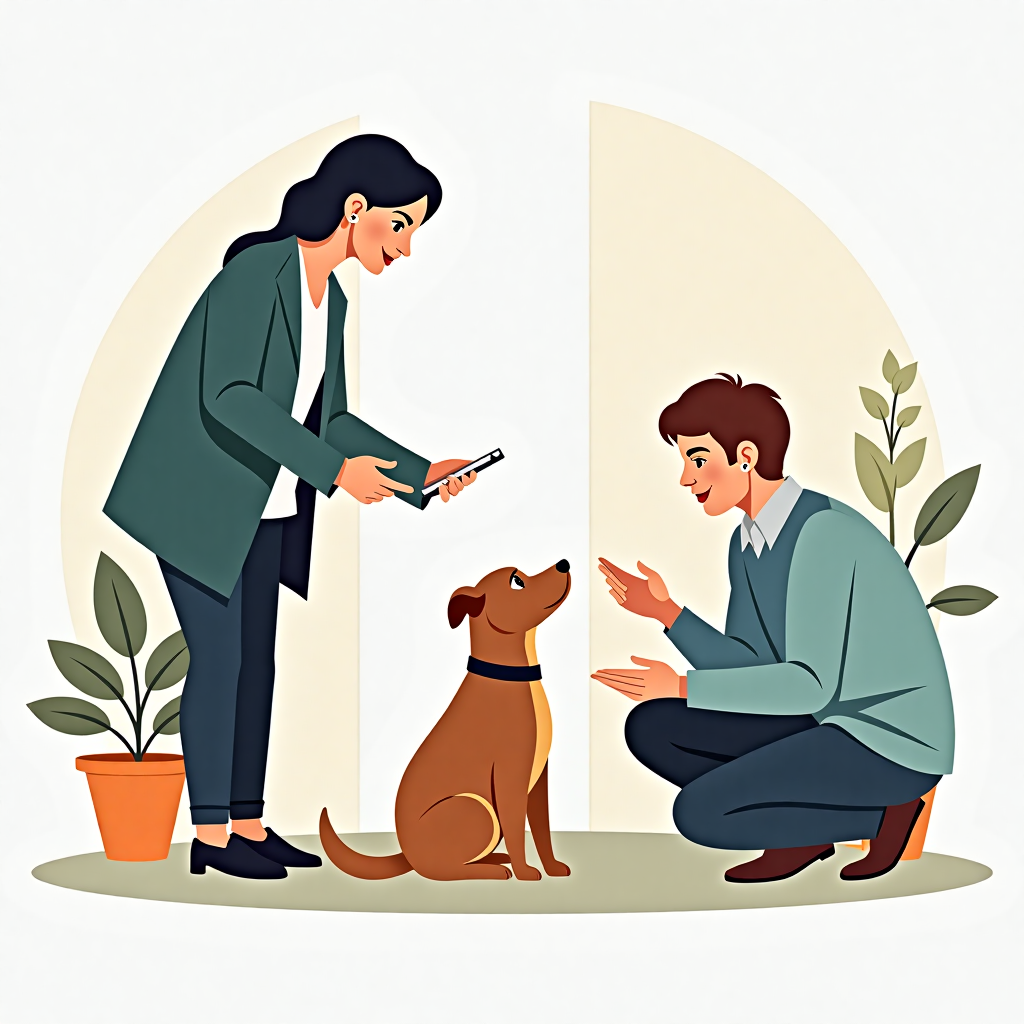
Bringing a new puppy home is a whirlwind of joy, fuzzy cuddles, and… well, a fair bit of chaos. Those tiny paws and hopeful eyes instantly steal your heart, but they also bring a bundle of instincts and behaviors that need gentle, consistent guidance. As any seasoned dog owner will tell you, the key to transforming that adorable handful of energy into a well-mannered, confident companion lies in the foundational weeks and months. Puppy training isn’t just about teaching “sit” or “stay”; it’s about establishing a common language, building trust, and creating a framework for a harmonious life together. This guide will walk you through the essential puppy training basics, providing you with the knowledge and strategies to navigate this critical period successfully and set the stage for a lifetime of mutual happiness.
Laying the Foundation: Preparing for Success
Before you even start teaching commands, the real work begins with setting the stage for learning. This foundation is built on three critical pillars: environment, mindset, and routine. Your home should be a safe place for exploration, equipped with a crate, appropriate chew toys, and puppy-proofed spaces. Your mindset must shift from expecting a perfect pup to understanding you are your puppy’s teacher, navigator, and source of all good things. Patience, consistency, and positivity are not just helpful; they are non-negotiable. Finally, establishing a predictable routine for feeding, potty breaks, play, and naps reduces anxiety and helps your puppy understand what to expect, making them more receptive to learning.
Essential Gear for Getting Started
You don’t need a pet store’s entire inventory, but a few key items are crucial. A sturdy crate becomes your puppy’s den—a safe haven for rest and a powerful tool for potty training. High-value, soft training treats (like small pieces of chicken or commercial training treats) are your currency for rewarding good behavior. A standard 6-foot leash and a flat collar or harness are necessary for safe outings and early leash introduction. Don’t forget a variety of chew toys to satisfy their teething instincts and protect your furniture!
Core Training Pillars Every Puppy Must Learn
With your foundation set, you can begin focusing on the core skills that will ensure your puppy grows into a polite and manageable dog. These pillars should be introduced gently and practiced in short, frequent sessions (5-10 minutes, several times a day). Remember, a puppy’s attention span is incredibly short, so keep it fun and end on a positive note.
1. Potty Training: Consistency is King
This is often the top priority for new owners. The golden rule is simple: anticipate, don’t react. Puppies need to eliminate after waking up, after playing, and 15-30 minutes after eating or drinking. Take them to the same designated “potty spot” on a leash, use a consistent cue word like “go potty,” and throw a praise party with treats immediately after they finish. Never punish accidents; simply clean them with an enzymatic cleaner to remove the scent. Confinement (using a crate or puppy pen) when you can’t supervise is your best friend in preventing mistakes and reinforcing the habit.
2. Crate Training: Creating a Safe Den
A crate is not a prison; when introduced correctly, it becomes a cozy retreat. The process must be gradual and positive. Start by feeding meals near the open crate, then inside it with the door open. Encourage your puppy to nap in it with the door open, and slowly work up to closing the door for short periods while you’re present. The crate should always be associated with good things—never use it as punishment. This tool aids potty training, prevents destructive chewing when unsupervised, and provides your pup with a sense of security.
3. Bite Inhibition and Gentle Play
Puppies explore the world with their mouths, and they play with their littermates by nipping and biting. It’s your job to teach them that human skin is ultra-sensitive. When play gets too mouthy, let out a high-pitched “ouch!” (much like a yelping littermate) and immediately stop play for 30 seconds. This teaches bite inhibition. Always redirect nipping onto an appropriate toy. Consistency from every family member is vital here to teach the puppy that all human skin is off-limits for teeth.
4. The Foundational Obedience Cues
Start with these essential commands using positive reinforcement (treats and praise):
- Name Recognition: Say your puppy’s name, and when they look, mark the behavior with a “yes!” and give a treat. This builds focus.
- Sit: Hold a treat near their nose, then slowly move it up and back over their head. As their bottom hits the floor, say “sit,” mark, and reward.
- Come (Recall): This is the most important safety command. Start indoors in a low-distraction area. Say “come!” in a happy voice, and reward lavishly when they move toward you. Never call your puppy to you for something unpleasant (like a bath or scolding).
- Leash Manners: Start by letting them wear the collar/harness and leash indoors. Reward them for walking near you without pulling. The goal is a loose leash, not perfect “heel” position at this stage.
Socialization: The Critical Window for a Confident Dog
Socialization is arguably as important as obedience training. It’s not just about meeting other dogs; it’s about positively exposing your puppy to the wide variety of sights, sounds, surfaces, people, and experiences they will encounter throughout their life. The prime socialization window is between 3 and 14 weeks of age. Your goal is to make every new experience a happy one. Carry treats everywhere and let your puppy observe the world from a distance, rewarding calm behavior.
- People: Introduce them to men, women, children, people wearing hats, sunglasses, or using canes.
- Environments: Visit (while carrying) quiet parks, pet-friendly stores, and different neighborhoods.
- Sounds: Play recordings of thunderstorms, vacuums, and city noises at a low volume while giving treats.
- Handling: Gently touch their paws, ears, mouth, and tail regularly to prepare for vet visits and grooming.
Always prioritize your puppy’s emotional state. If they seem fearful, create more distance and go slower. Forced interactions can be detrimental.
Navigating Common Puppy Challenges
Even with perfect training, you’ll face some frustrating behaviors. Understanding the “why” behind them is the first step to management.
Chewing Everything in Sight
Chewing is a normal teething and exploratory behavior. The solution is not to stop the chewing, but to manage it by providing an abundance of approved chew toys and puppy-proofing your home. Supervise closely, and when they chew something inappropriate, calmly redirect them to a toy and praise them for chewing that instead.
Jumping Up
Puppies jump to greet faces. To extinguish this, turn your body away and completely ignore them the moment their paws leave the ground. The second all four paws are on the floor, turn back, calmly say “yes,” and reward. Teach an incompatible behavior like “sit” for greetings and ensure everyone who visits follows the same rule.
Whining and Barking in the Crate
First, ensure all physical needs are met (potty break, not hungry/thirsty). If they are, the whining is likely for attention. Wait for a moment of quiet, then reward that silence with a treat or by opening the crate. Responding to the whining teaches them that noise works. A consistent pre-crate routine (like a stuffed Kong toy) can also create a positive association.
Conclusion: The Journey to a Trusting Partnership
Remember, puppy training is a marathon, not a sprint. There will be setbacks, puddles on the floor, and a chewed shoe or two. What matters is your consistent, patient, and positive approach. You are not just teaching commands; you are building a lifelong bond of trust and communication with a new member of your family. By focusing on these puppy training basics—establishing a routine, mastering the core pillars, prioritizing socialization, and managing challenges with empathy—you are giving your furry friend the greatest gift: the skills to be a confident, calm, and joyful companion. So take a deep breath, stock up on treats, and embrace the wonderful, messy, and incredibly rewarding journey of raising a well-trained dog. The effort you put in today will pay off in a decade of loyal companionship tomorrow.